20+ Creative Sourdough Discard Recipes: Stop Wasting Your Starter!
Are you throwing away cups of sourdough starter every time you feed it? If you’re like most sourdough bakers, you’ve probably watched gallons of perfectly good discard go down the drain. But here’s the good news: that “discard” is actually a flavor-packed ingredient that can transform ordinary recipes into extraordinary dishes.
What Is Sourdough Discard and Why Should You Save It?
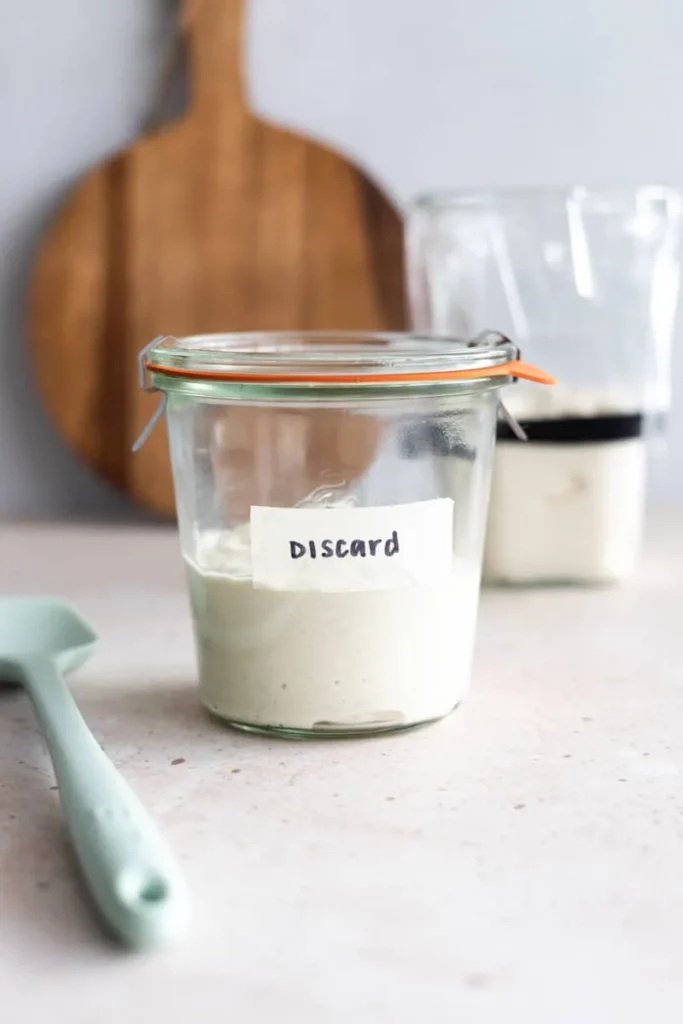
Sourdough discard is the portion of your starter that you remove before feeding. When you maintain a sourdough starter, you typically discard half and feed the remaining portion with fresh flour and water. This keeps your starter healthy and manageable, but it also creates what many bakers call “waste.”
The truth is, sourdough discard isn’t waste at all. It’s a tangy, flavorful ingredient packed with:
- Complex flavor from natural fermentation
- Beneficial bacteria and wild yeasts
- Nutritional value from whole grains
- Natural acids that tenderize baked goods
- A subtle tang that enhances both sweet and savory dishes
The main difference between active starter and discard is leavening power. While discard won’t reliably rise bread on its own, it adds incredible flavor and texture to recipes that use other leavening agents like baking powder or baking soda.
How to Make Sourdough Discard: A Simple Guide
If you’re new to sourdough, here’s how you’ll naturally create discard as part of maintaining your starter:
Step 1: Start with Your Sourdough Starter
You’ll need an active sourdough starter (a mixture of flour and water that’s been fermented with wild yeast). If you don’t have one yet, you can create one from scratch in about 5-7 days using King Arthur Baking’s comprehensive sourdough starter guide.
Step 2: The Feeding Process
To keep your starter healthy and active, you need to feed it regularly:
- Weigh your starter – Let’s say you have 200g of starter in your jar
- Remove half – Scoop out 100g and place it in your discard container (this is your discard!)
- Feed the remaining starter – Add equal parts flour and water to the 100g you left in the jar (typically 100g flour + 100g water for a 1:1:1 ratio)
- Mix well and let it ferment
Step 3: Collect Your Discard
Every time you feed your starter (usually once daily if kept at room temperature, or weekly if refrigerated), you’ll create discard. Simply:
- Transfer the removed portion to a labeled container
- Store in the refrigerator
- Keep adding to it each time you feed your starter
- Use within 1-2 weeks
Example: If you feed your starter twice a week and remove 100g each time, you’ll have 200g (about 1 cup) of discard to use in recipes by the end of the week.
Understanding Discard vs. Active Starter
Sourdough Discard:
- Unfed starter that’s been removed
- May have been sitting for hours or days
- Still flavorful but less active
- Perfect for recipes using baking powder/soda
Active Starter:
- Freshly fed and risen to its peak
- Bubbly and vigorous
- Used for making sourdough bread
- Has strong leavening power
How to Store Sourdough Discard
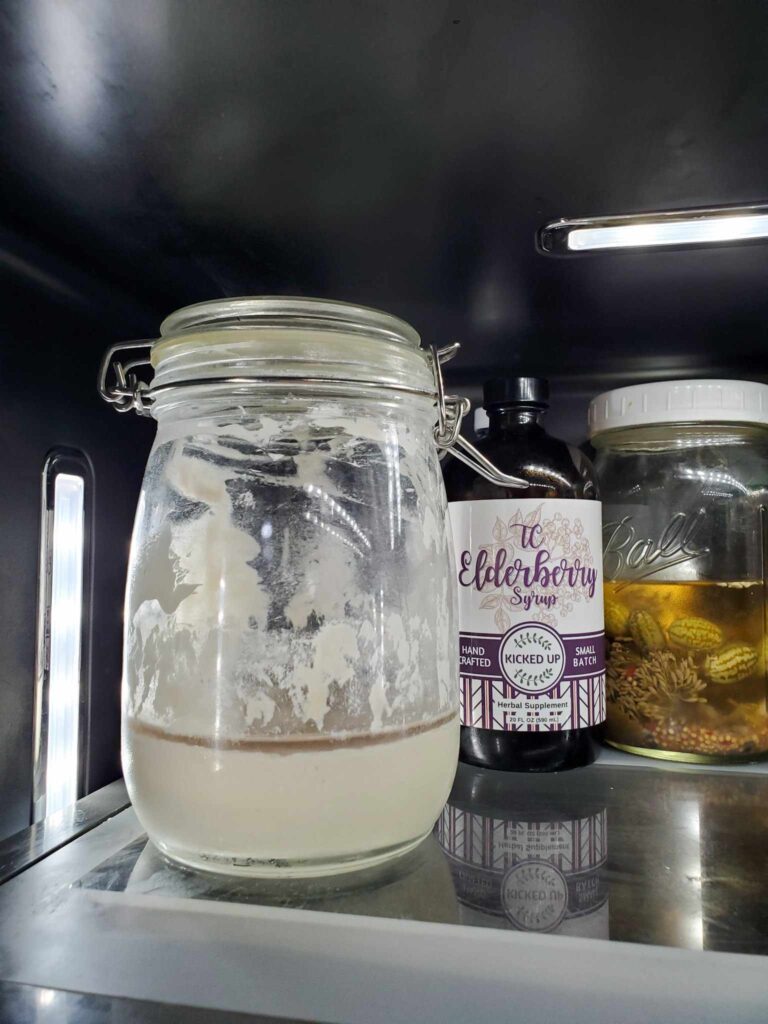
Before we dive into recipes, let’s talk storage. You can keep sourdough discard in an airtight container in the refrigerator for up to two weeks. Some bakers even freeze it for longer storage. Just remember to label your container with the date so you know how fresh it is.
Savory Sourdough Discard Recipes That’ll Make You a Hero
1. Sourdough Discard Pretzel Bites
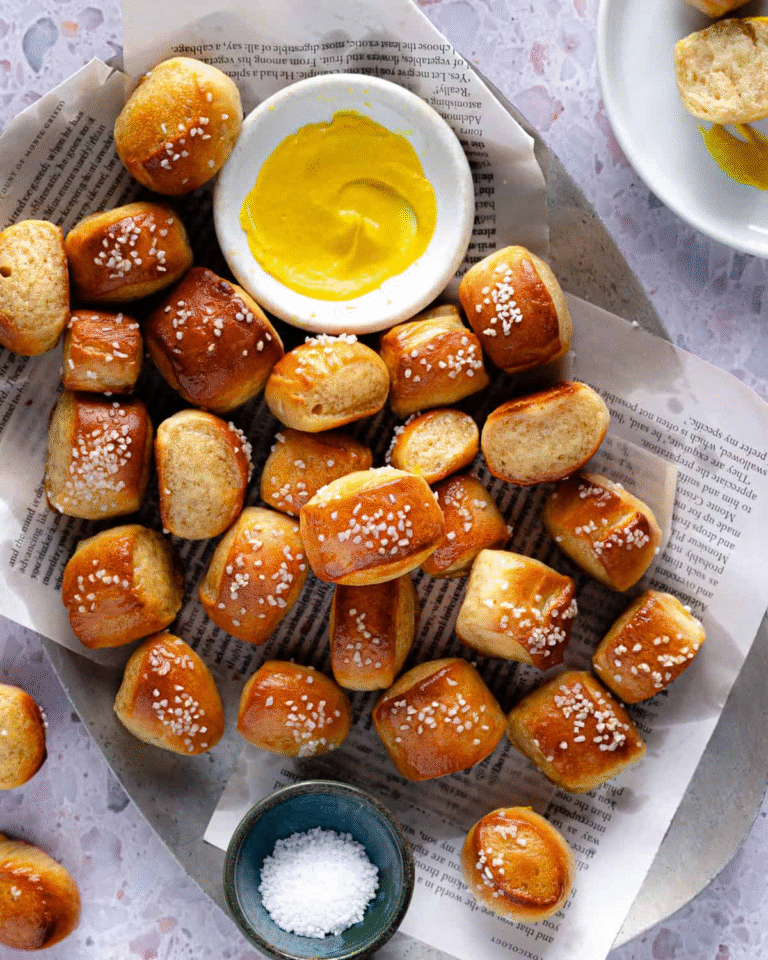
These bite-sized treasures are the perfect party snack or game-day treat. Our sourdough discard pretzel bites deliver that classic pretzel chewiness with a tangy twist. The discard adds depth to the dough while creating an incredibly tender interior. Brush them with butter, sprinkle with coarse salt, and watch them disappear in minutes.
Why you’ll love them: They’re surprisingly easy to make, freeze beautifully, and taste better than anything you’d buy at the mall.
2. Sourdough Discard Burger Buns
Tired of store-bought burger buns that fall apart or taste like cardboard? These sourdough burger buns will change your grilling game forever. The discard creates a soft, pillowy texture that holds up to even the juiciest burgers, while adding a subtle tang that complements both beef and veggie patties.
Pro tip: Make a double batch and freeze half. You’ll thank yourself the next time you fire up the grill.
3. Sourdough Zucchini Fritters
When your garden is overflowing with zucchini (or you’ve bought too many at the farmers market), these sourdough zucchini fritters are your new best friend. The discard acts as a binder while adding a pleasant tang that balances the mild zucchini. Crispy on the outside, tender on the inside, and absolutely addictive.
Serving suggestion: Top with sour cream, fresh herbs, or a squeeze of lemon for a light lunch or impressive appetizer.

4. Sourdough Fried Fish
Yes, you read that right! Using sourdough discard in your fried fish batter creates an incredibly crispy, flavorful coating that rivals any fish and chips shop. The natural acids in the discard help tenderize the fish while creating that sought-after crunch. This recipe will make you rethink everything you know about fried fish.
Why it works: The discard’s acidity helps the batter stick to the fish better and creates extra-crispy results.
Sweet Sourdough Discard Treats
5. Sourdough Vanilla Cake
Who says sourdough discard is just for bread? This sourdough vanilla cake is incredibly moist, tender, and has the most amazing crumb structure. The discard adds a subtle complexity to the flavor without making it taste “sour.” Perfect for birthdays, celebrations, or Tuesday afternoons when you need cake.
Baker’s secret: The acidity in the discard reacts with baking soda to create extra-tender cake layers.

6. Sourdough Blueberry Scones
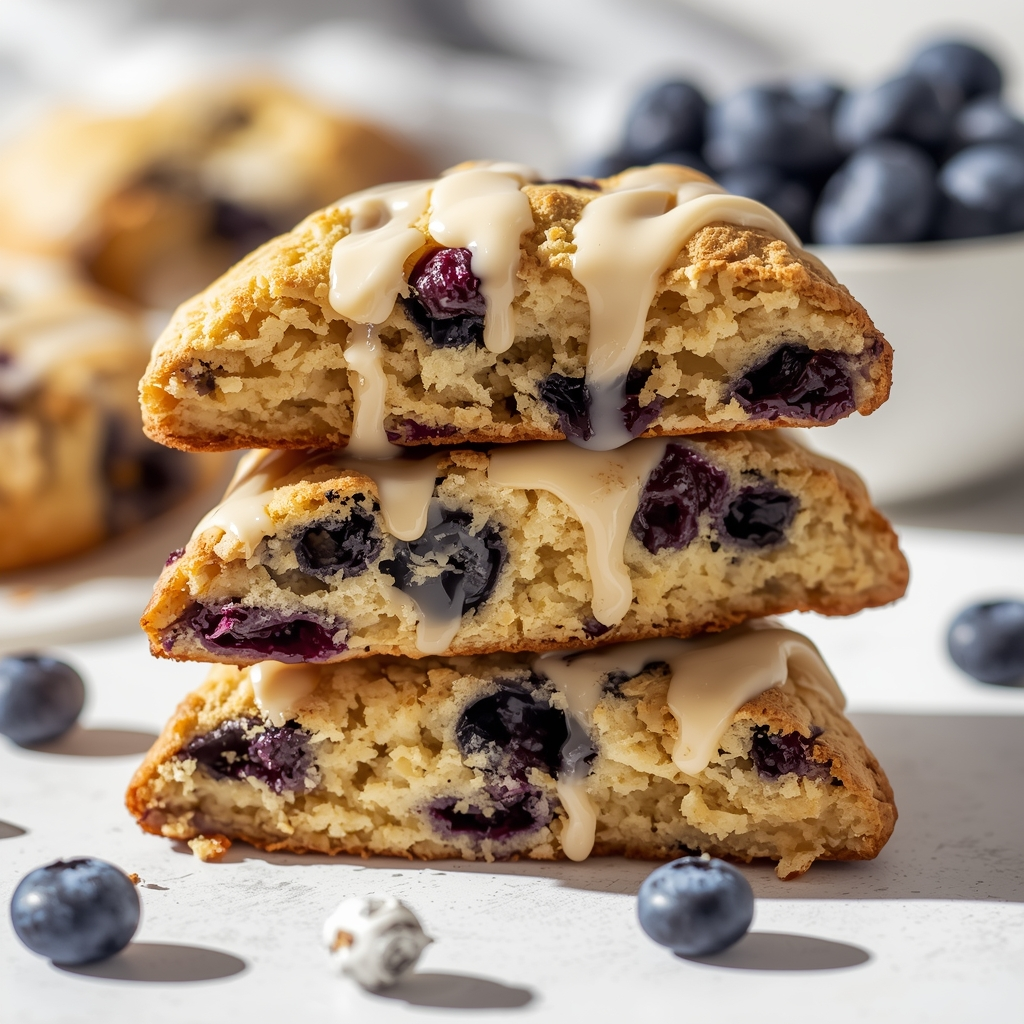
Weekend brunch just got a major upgrade. These sourdough blueberry scones are flaky, buttery, and bursting with juicy berries. The discard creates the most tender texture while adding a depth of flavor that makes store-bought scones taste like cardboard in comparison.
Coffee shop quality: Brush with cream and sprinkle with coarse sugar before baking for that professional bakery look.
More Creative Ways to Use Sourdough Discard
Pancakes and Waffles
Add 1/2 to 1 cup of discard to your favorite pancake or waffle recipe. The result? Incredibly fluffy, tangy breakfast treats that’ll have your family asking for seconds.
Crackers
Mix discard with herbs, cheese, and spices, roll it thin, and bake for homemade crackers that are infinitely better than anything in a box.
Pizza Dough
Replace some of the water in your pizza dough recipe with discard for a crust with incredible flavor and texture.
Biscuits
Tangy, flaky sourdough biscuits are perfect for breakfast sandwiches or alongside soup and stew.
Muffins
Add discard to any muffin recipe for extra moisture and a subtle tang that enhances both sweet and savory varieties.
Tips for Success with Sourdough Discard Recipes
1. Use Unfed (Discard) Starter
These recipes are designed for discard – the unfed starter you remove during feeding. Active, fed starter works too, but may give slightly different results.
2. Adjust Consistency
Sourdough starters vary in hydration. If your discard is very thick, you may need to add a bit more liquid to your recipe. If it’s thin, reduce liquid slightly.
3. Don’t Skip the Baking Soda/Powder
Most discard recipes rely on chemical leaveners for rise. The discard adds flavor and texture, not lift.
4. Embrace the Tang
The longer discard sits in your fridge, the more tangy it becomes. This can be an advantage in savory recipes but may be too strong for delicate desserts. Taste your discard and adjust accordingly.
5. Experiment with Substitutions
You can often substitute sourdough discard for a portion of the flour and liquid in existing recipes. Start with replacing 1/4 to 1/2 cup and adjust from there. For more guidance on baking ratios and conversions, check out Guide to sourdough discard baking.
Common Questions About Sourdough Discard
Can I use old discard? Discard that’s been refrigerated for up to two weeks is generally fine. If it smells off (not just tangy, but truly bad) or shows mold, toss it.
Does discard need to be at room temperature? Most recipes work fine with cold discard straight from the fridge. For baked goods, room temperature discard may incorporate more easily.
Can I freeze sourdough discard? Absolutely! Freeze in 1-cup portions for easy measuring later. Thaw in the refrigerator before using.
Will discard recipes taste sour? They have a subtle tang, but most people describe it as complex rather than sour. The flavor is usually more noticeable in recipes with minimal other flavors.
The Environmental and Economic Benefits
Using sourdough discard isn’t just about making delicious food – it’s about reducing waste and getting more value from your ingredients. Consider this: if you maintain a starter and feed it twice a week, you could discard over 50 cups of starter per year. That’s roughly 6 pounds of flour and water going to waste!
By incorporating discard into your cooking and baking, you’re:
- Reducing food waste
- Saving money on flour
- Creating unique, flavorful dishes
- Developing a more sustainable kitchen practice
Your New Sourdough Discard Routine
Here’s how to make discard recipes a regular part of your routine:
- Keep a dedicated container in your fridge labeled “sourdough discard”
- Add to it each time you feed your starter
- Use within 1-2 weeks for best flavor and results
- Plan your baking around your discard accumulation
- Start with simple recipes like the pretzel bites or burger buns
Conclusion: Stop Throwing Away Liquid Gold
Sourdough discard is one of the most versatile, flavorful ingredients in your kitchen – once you know what to do with it. From savory snacks like pretzel bites and zucchini fritters to sweet treats like vanilla cake and blueberry scones, the possibilities are endless.
Start with one recipe this week. Try the burger buns for your weekend cookout or whip up a batch of fried fish for Friday dinner. Once you taste the difference, you’ll never look at your sourdough discard the same way again.
Your starter isn’t just for bread anymore – it’s the secret ingredient that’ll take your entire cooking repertoire to the next level. Happy baking (and cooking)!