Is Your Sourdough Discard Usable | Signs, Tests, and Revival Tips
Sourdough discard is the portion removed during regular starter feedings, and many bakers wonder if it can still be used in recipes. This leftover mixture often sits in the fridge for days or weeks, leading to questions about safety and quality. Understanding when discard is usable helps reduce waste and makes the most of your active starter.
The natural fermentation process continues slowly even in the refrigerator, changing the flavor and texture over time. Some discard develops a pleasant tang that enhances pancakes and crackers, while older portions may become too sour or inactive. Learning to read your discard prevents throwing away perfectly good material and saves money on ingredients.
This guide explains clear signs that your sourdough discard is usable, simple tests to check its condition, and easy ways to revive it when needed. With these practical tips, you can confidently turn discard into delicious baked goods without worry.
Why Checking Your Sourdough Discard Matters
Sourdough discard still contains living yeast and bacteria that can leaven recipes or add tangy flavor. Using it wisely reduces kitchen waste and supports sustainable baking habits. Many beginners discard large amounts unnecessarily, missing opportunities for tasty pancakes, crackers, and quick breads.
Proper assessment also ensures food safety and good results. Very old or contaminated discard can affect taste and may not perform well in recipes. Taking a few moments to evaluate saves ingredients and improves overall baking success.
Is Your Sourdough Discard Usable
This section answers the main question directly by outlining clear signs and tests to determine if your sourdough discard is usable. Fresh to moderately aged discard, usually up to two weeks in the fridge, is almost always usable if it smells pleasantly tangy or like yogurt rather than vinegar or nail polish remover. A layer of liquid (hooch) on top is normal and can be poured off or stirred back in. Bubbles or slight activity when brought to room temperature indicate it still has life and will work in most recipes.
To test usability, take a small spoonful of discard and mix it with equal parts flour and water. Let it sit at room temperature for 4-6 hours. If it shows bubbles and doubles in size, it is definitely usable. No activity after this time suggests it may be too weak for leavening but can still add flavor to flatbreads or cookies. Always smell and look for unusual colors or mold before using — gray, pink, or fuzzy growth means it should be discarded.
Discard older than three or four weeks can often be revived with a few daily feedings at room temperature. Start by discarding most of the jar and feeding the remainder with fresh flour and water twice a day. Within 2-4 days, it usually regains enough strength for recipes. This simple revival process turns questionable discard into a valuable baking resource without starting a new starter from scratch.
Signs Your Discard Is Still Good
Pleasant sour smell similar to yogurt or beer indicates healthy fermentation. Visible bubbles after warming show active microbes. Smooth texture without unusual separation beyond normal hooch is another positive sign.
Slightly grayish liquid on top is common and harmless. The discard should not smell like acetone or rotten eggs. These visual and aroma cues help you decide quickly without complicated tests.
When to Discard and Start Fresh
Strong vinegar or nail polish smells mean the culture has become too acidic and weak. Unusual colors like pink, orange, or black spots suggest contamination. Fuzzy mold or slimy texture requires full discard for safety.
In these cases, it is better to start a new starter than risk off flavors or food safety issues. Most healthy starters recover from neglect, but severely compromised ones perform poorly even after revival attempts. Trust your senses and err on the side of caution.
Simple Revival Methods for Weak Discard
Pour off hooch and feed the remaining discard with equal parts flour and water. Keep at room temperature and feed twice daily. Within a few days, bubbles and doubling should return. Use the revived discard in recipes once it passes the float test.
For very weak discard, mix a small amount with fresh flour and water in a clean jar and follow standard starter feeding schedule. This jumpstarts activity without wasting large amounts. Revival usually succeeds unless the discard showed clear signs of spoilage.
Best Recipes for Sourdough Discard
Pancakes are the classic use for discard. Mix 1 cup discard with milk, egg, flour, and baking powder for fluffy results. The natural acidity reacts with leavening for light texture. Add blueberries or chocolate chips for variety.
Crackers made with discard, flour, oil, and herbs bake into crisp snacks. They store well and make excellent additions to cheese boards. The fermentation adds depth that plain crackers lack.
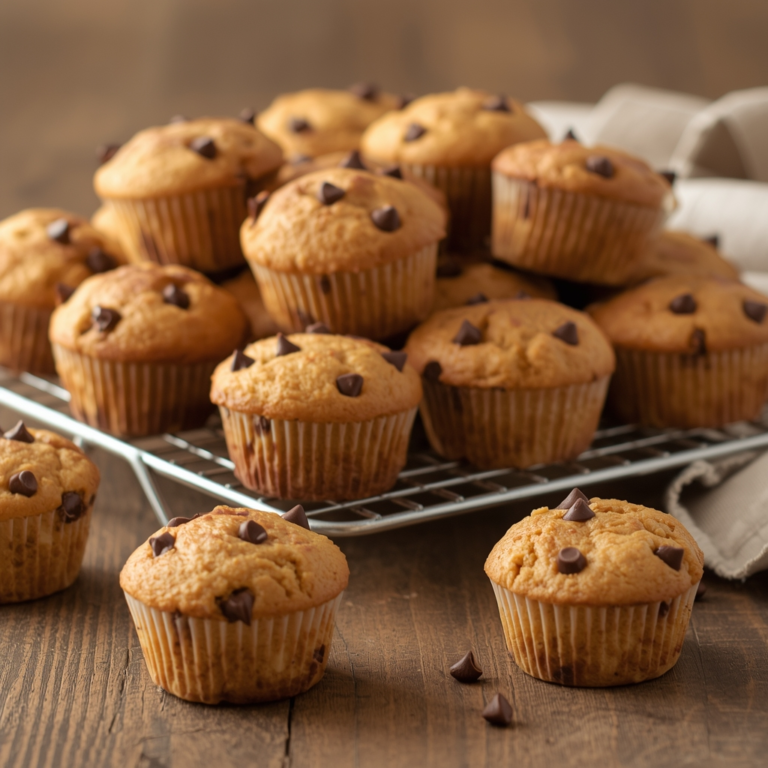
Muffins and quick breads stay moist longer when made with discard. Banana bread or zucchini muffins benefit from the subtle tang and tenderness. These recipes turn excess discard into breakfast treats or snacks.
Storage Tips for Maximum Usability
Keep discard in a clean jar with a loose lid in the refrigerator. Mark the date to track age. Stir before using and pour off hooch as needed. This simple storage keeps it usable for weeks.
For longer breaks, dry or freeze portions as backup. These methods extend life significantly while maintaining viability. Consistent habits prevent waste and keep discard ready for spontaneous baking.
| Discard Age | Smell/Test | Usability | Recommended Action |
|---|---|---|---|
| 1-7 days | Pleasant tang, bubbly | Excellent | Use directly in recipes |
| 1-3 weeks | Mild sour, some activity | Good | Feed once before using |
| 3-6 weeks | Strong sour, slow rise | Fair | Revive with daily feeds |
| Over 6 weeks | Vinegar or off smells | Poor | Discard and start fresh |
This table provides a quick reference for assessing discard condition at a glance.
Creative Ways to Use Even Marginal Discard
Very sour discard still flavors flatbreads, pizza dough, or pretzels effectively. Mix into cookie dough for subtle tang that enhances chocolate or oatmeal varieties. The acidity can replace buttermilk in many recipes.
Use older discard in compost or as garden fertilizer if it is no longer suitable for eating. This final step ensures nothing goes to waste completely. Creative thinking maximizes every bit of your starter.
Building Better Discard Habits
Feed your starter more consistently to produce less discard overall. Use discard regularly in recipes rather than letting it accumulate. These habits reduce waste and improve your overall sourdough routine.
Share extra discard with friends or neighbors to spread the joy of baking. Teaching others encourages community and reduces individual pressure. Small changes create sustainable practices over time.
Common Questions About Discard Safety
Many bakers worry about using older discard. As long as it smells clean and shows no mold, it is generally safe. The acidic environment discourages harmful bacteria, but always use common sense and discard anything suspicious.
Revival success depends on starting with small amounts and fresh ingredients. Patience during the process usually brings even tired discard back to life. These guidelines help you use discard confidently.
Summary
Determining if your sourdough discard is usable involves checking smell, appearance, and activity through simple tests. Pleasant tangy aroma and bubbles indicate good condition, while off smells or mold mean it should be discarded. Revival with regular feedings can bring weak discard back to life for pancakes, crackers, and more. Regular use and proper storage turn discard from waste into a valuable baking resource that enhances your sourdough journey.
FAQ
How can I tell if my sourdough discard is still good?
A pleasant sour or yogurt-like smell and some bubbles after warming usually mean it is usable. Pour off hooch and test by feeding a small amount. No unusual colors or mold are positive signs. Trust your senses for safety.
Can I use very old sourdough discard?
Discard older than a month may still work in flatbreads or cookies if it smells clean. Strong vinegar smells or visible mold require full discard. Revival with daily feedings can often save borderline portions.
What is the best way to revive sourdough discard?
Discard most of the jar, then feed the remainder with equal parts flour and water at room temperature. Repeat twice daily until it bubbles and doubles. It usually recovers within 3-7 days of consistent care.
How should I store sourdough discard long-term?
Keep it in the refrigerator with a loose lid and feed every 1-2 weeks. For months of storage, dry it into flakes or freeze portions. Label clearly and revive when needed for best results.
Are there recipes that work well with older discard?
Yes, crackers, flatbreads, and cookies tolerate older discard well. The tang adds flavor without needing strong leavening. Use it in recipes where rising is less critical for good results.