Identify Underproofed Sourdough Bread with Real Examples
Sourdough bread is beloved by bakers and food lovers because of its complex flavor and artisanal nature. When you bake sourdough at home or in a bakery, one key stage determines whether the loaf turns out light and airy or dense and tight crumbed. That stage is proofing. Proofing is when the dough rises after shaping. The yeast and bacteria produce gas that expands the structure. If proofing is too short the dough is underproofed. Underproofed sourdough bread has a structure that is too tight. It might bake up heavy. It might not develop its full flavor. It might tear when sliced.
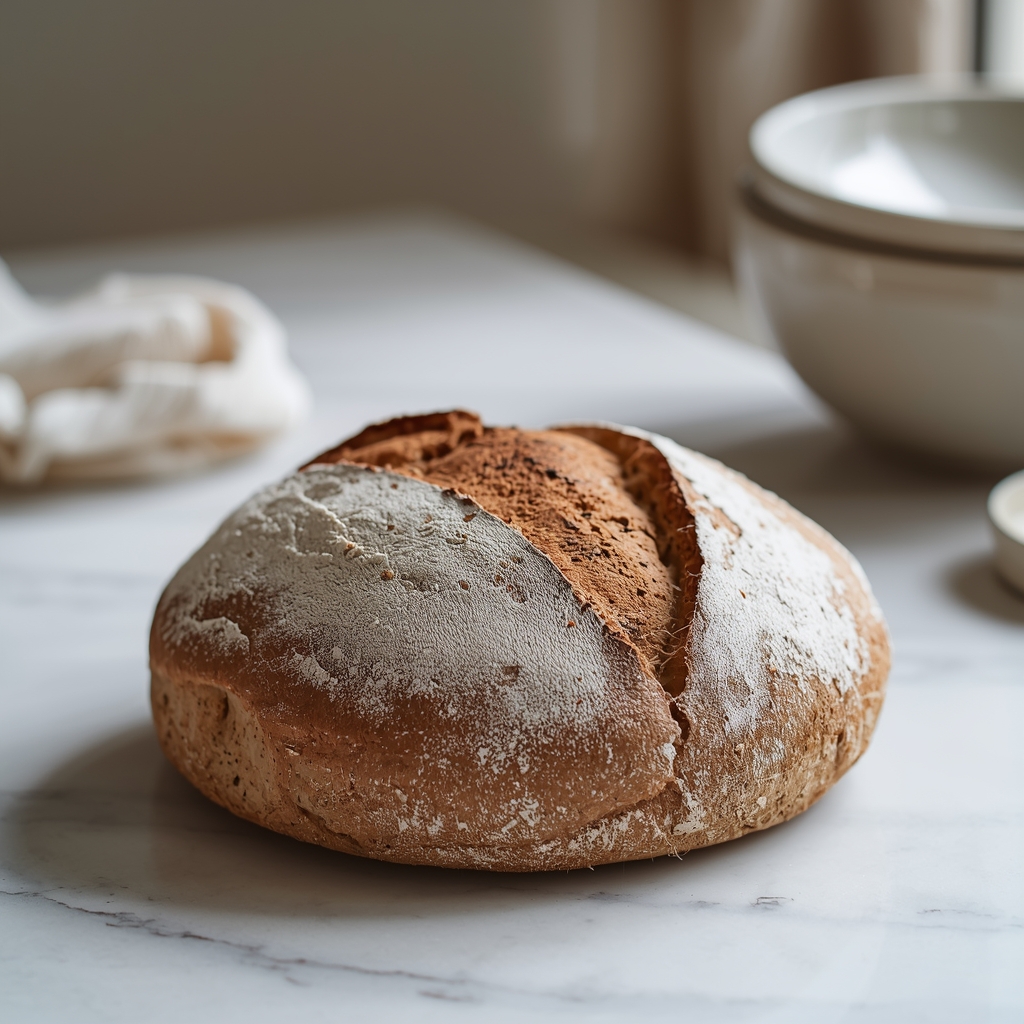
In this article we will explore how to identify underproofed sourdough bread. We will explain what underproofing means in simple terms. We will describe the signs before baking and after baking. We will compare underproofed bread with properly proofed bread. We will include photos in your mind by describing specific examples. By the end you will have the confidence to recognize underproofed sourdough and adjust your process for better results.
Pin For Later!
What Does Identify Underproofed Sourdough Bread Mean
Before we talk about signs let us clarify what proofing means. When you prepare sourdough dough you mix flour water salt and starter. After mixing you let the dough rest and ferment. Over time the natural yeast and bacteria eat sugars and produce gas. This gas fills pockets in the dough and makes it rise.
Proofing refers to the final rise after the dough has been shaped and before it goes into the oven. Proper proofing allows the gas pockets to expand to a point where the loaf will bake into an open light crumb. Underproofing means that the dough was not allowed enough time to rise and develop those gas bubbles. This leads to a tighter crumb and often reduced oven spring.
Underproofing can happen for several reasons:
- The dough was shaped too soon after bulk fermentation.
- The room temperature was too cold and slowed fermentation.
- The starter was not active enough.
- The dough was too dry or too stiff to expand well.
Now let us talk about the signs.
Signs Before Baking
You can often tell that the dough is underproofed before it goes into the oven. Learning to recognize these signs will save you from baking a loaf that will disappoint.
Weak Volume Increase
A well proofed sourdough should visibly increase in size after shaping. If you place your dough in a banneton or bowl and you see only a small rise over time this could be a sign of underproofing. The dough might look like it barely grew from its original shaped size.
Imagine you shaped a boule and set it out to proof for two hours. After that time the dough looks nearly the same as when you shaped it. That should trigger a thought that it might be underproofed. Properly proofed dough often grows visibly large enough that the surface seems fuller and lighter.
Tight Surface
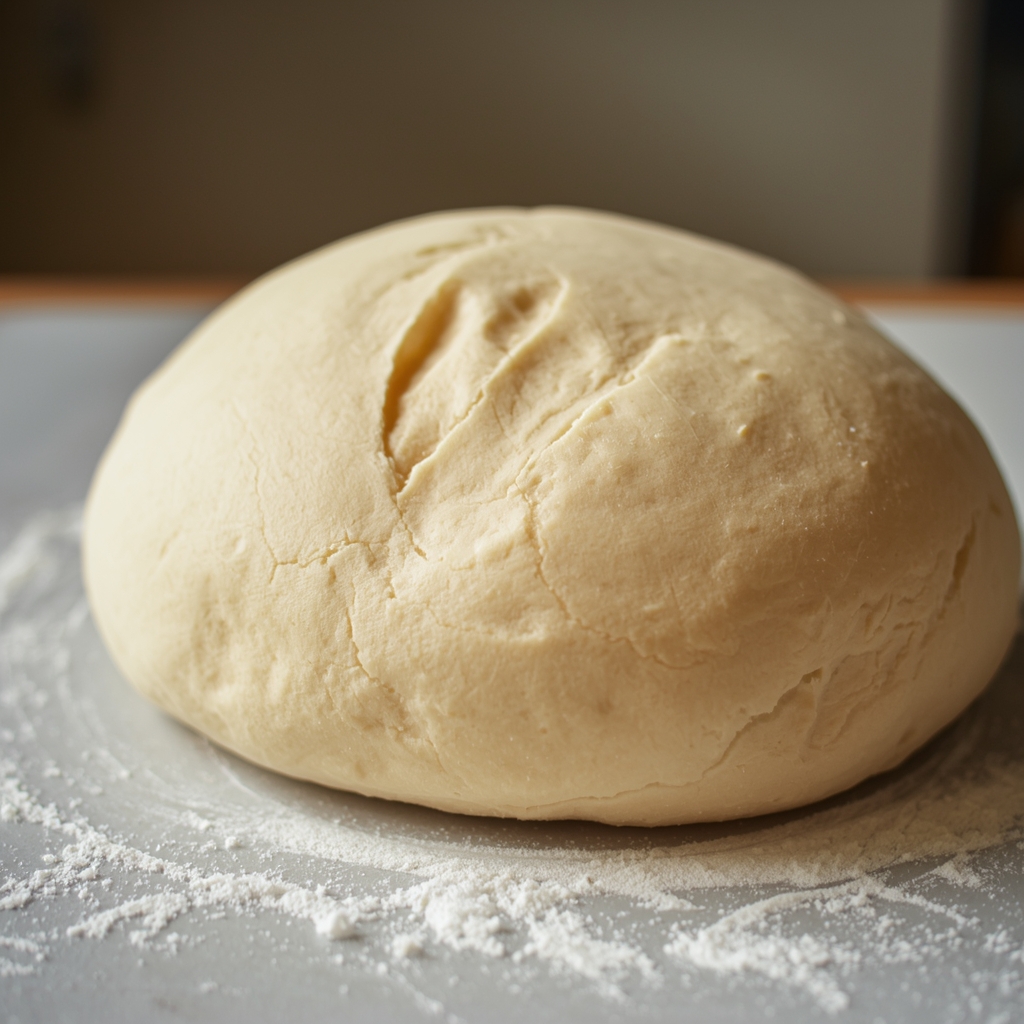
Underproofed dough often feels tight and firm when you touch the surface. As the dough proofs the gluten relaxes and the surface becomes soft and slightly domed. But when it is underproofed the surface can feel taut like a balloon that has just started to inflate. It might be hard to the touch and not yield easily.
For example imagine placing your palm gently over the dough and sensing resistance instead of a soft cushion. That firmness is often a sign that the gluten network still holds tension and has not relaxed fully with fermentation.
Slow Poke Test
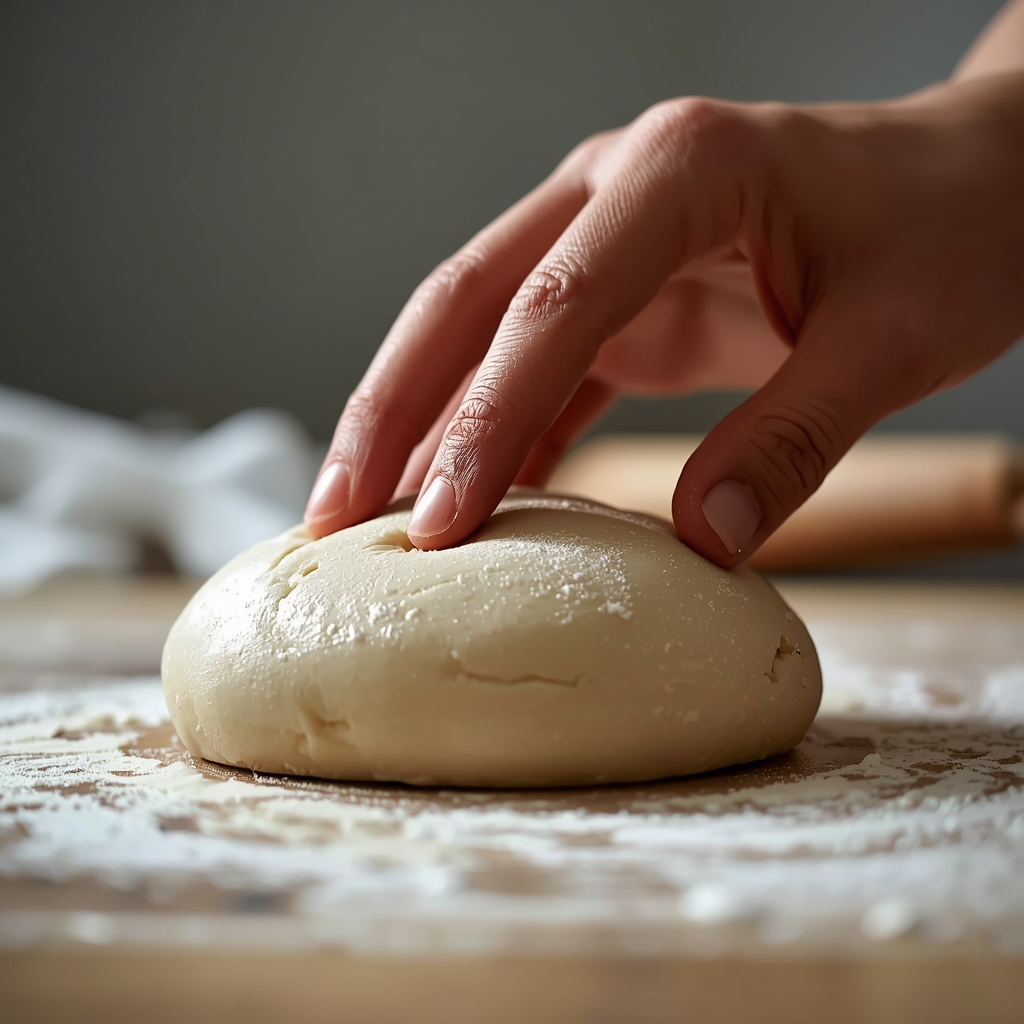
One common way bakers gauge proofing is the poke test. You gently press a floured finger about a quarter inch into the dough and observe how it springs back. With underproofed dough the indent fills back quickly and completely. That quick rebound means the dough still has a lot of tightness.
In contrast properly proofed dough will show a slight indentation that slowly bounce back partially. If the poke disappears instantly your dough is likely underproofed.
Imagine poking your dough and it springs back as if you never pressed it. That tells you the gas pockets have not expanded enough and the dough has not eased into its final rise.
Lack of Windowpane
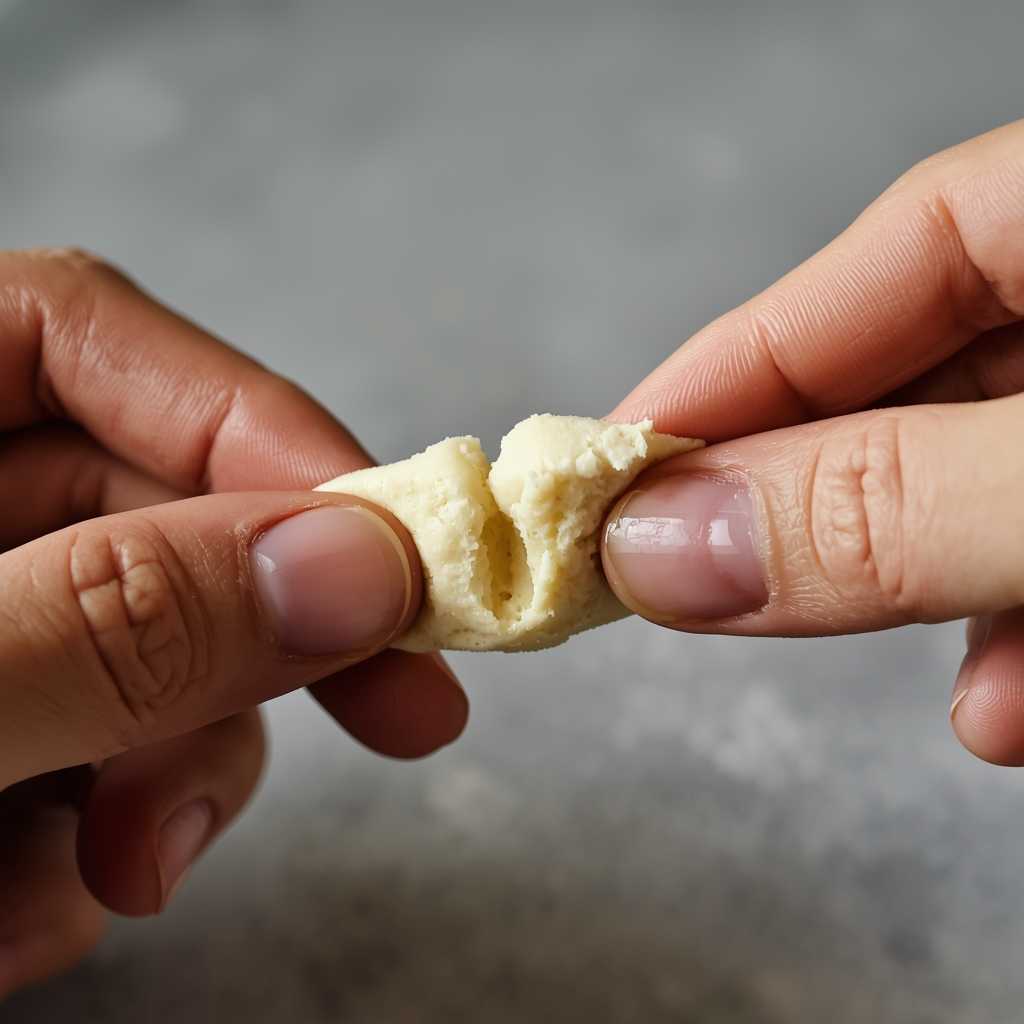
Windowpane is a test of the gluten structure. You stretch a small piece of dough between your fingers. A well developed dough will stretch into a thin membrane that lets light pass through without tearing. Underproofed dough may not show a strong windowpane because the gluten has not had enough fermentation to relax and strengthen evenly.
Picture trying to stretch a small piece of the dough to the size of your palm. If it tears quickly without forming a translucent membrane then the network of gluten strands is not yet fully developed. This can happen even if the dough was mixed well. It can be a sign that the dough was rushed too soon into shaping and proofing.
Dough Looks Dense
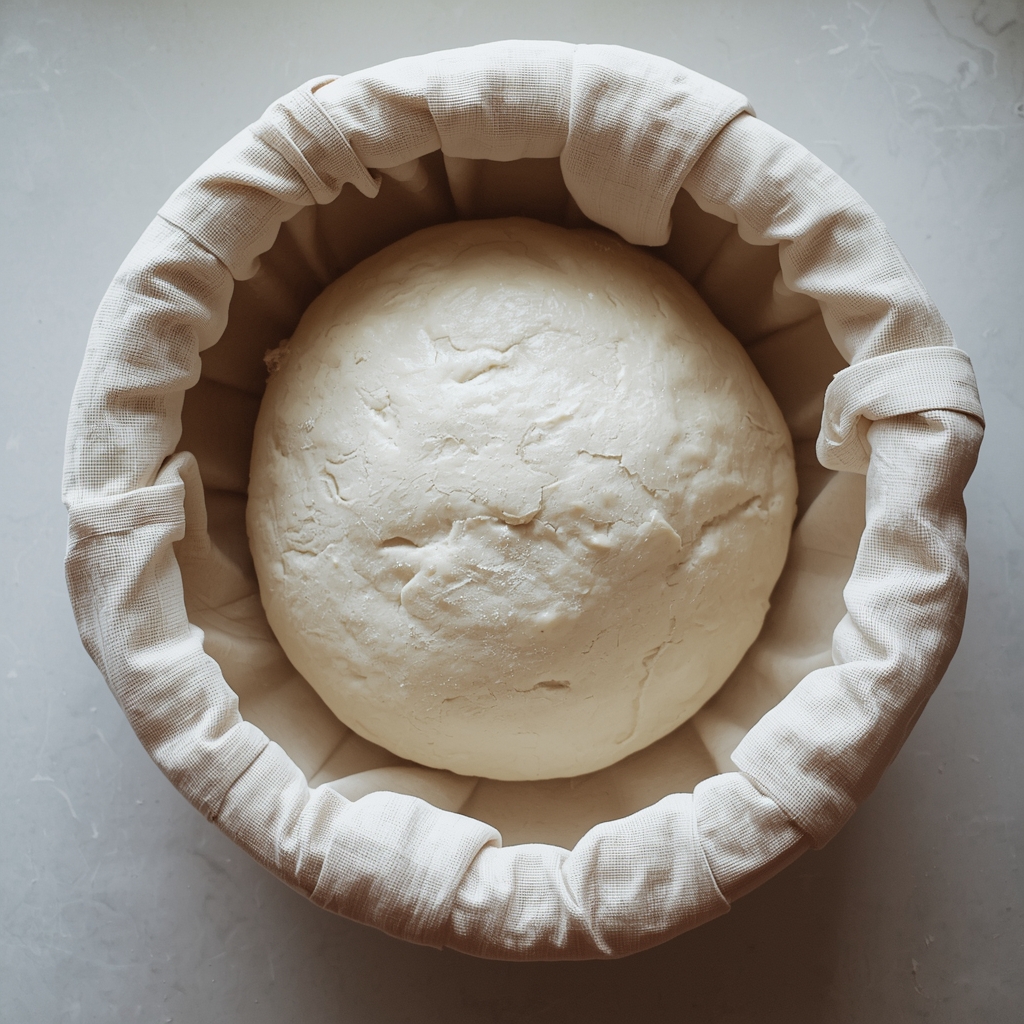
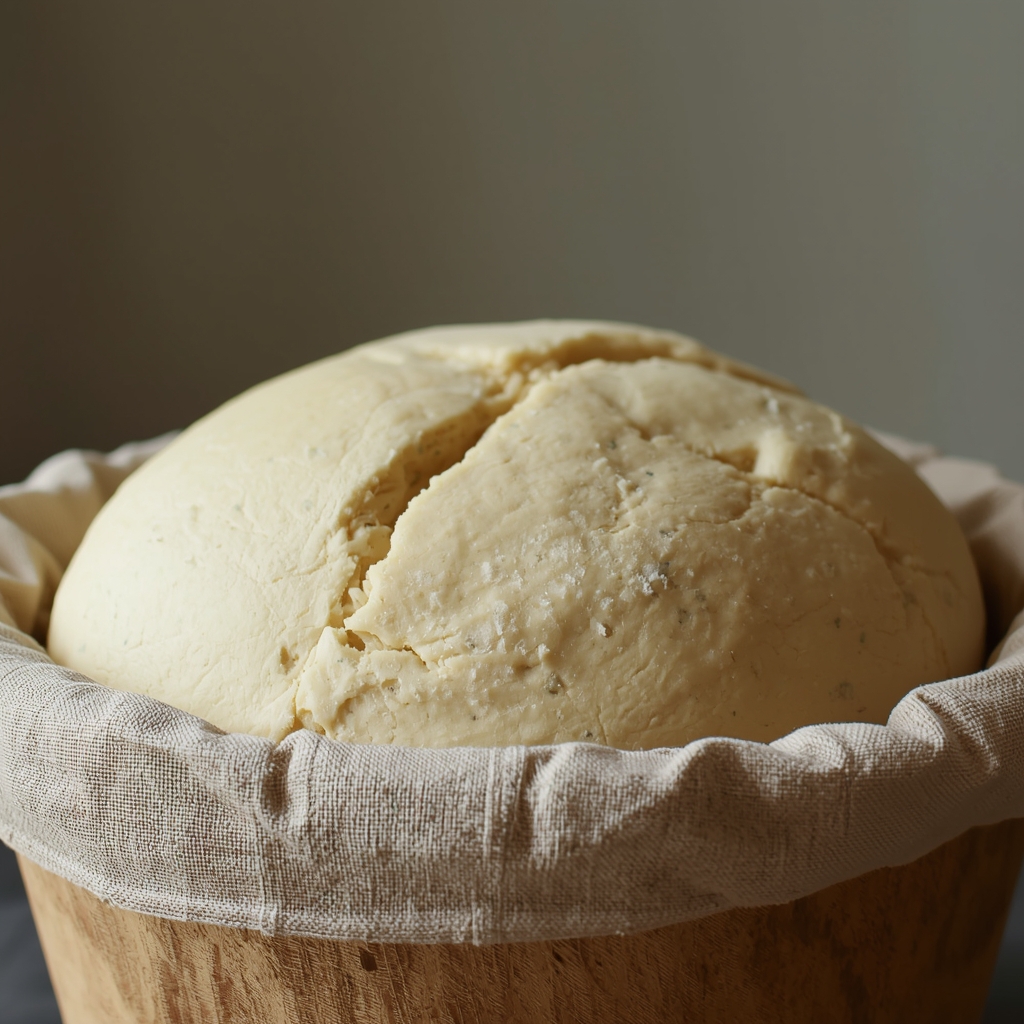
Sometimes you can simply see that dough has not risen enough. It might look compact or heavy in the proofing basket. When dough is ready to bake it often looks airy and full. Underproofed dough can still look like it bears the shape of its folds and has not grown visibly.
Consider the difference between a proofing basket that seems packed and one that seems puffy. The puffy one shows clear evidence that gases are present in the dough. The packed one suggests that the dough might still have more rising to do.
Signs After Baking
If you miss the clues before baking you can still identify underproofed bread once it is baked. The shape and internal texture of the loaf offer clear evidence of proofing issues.
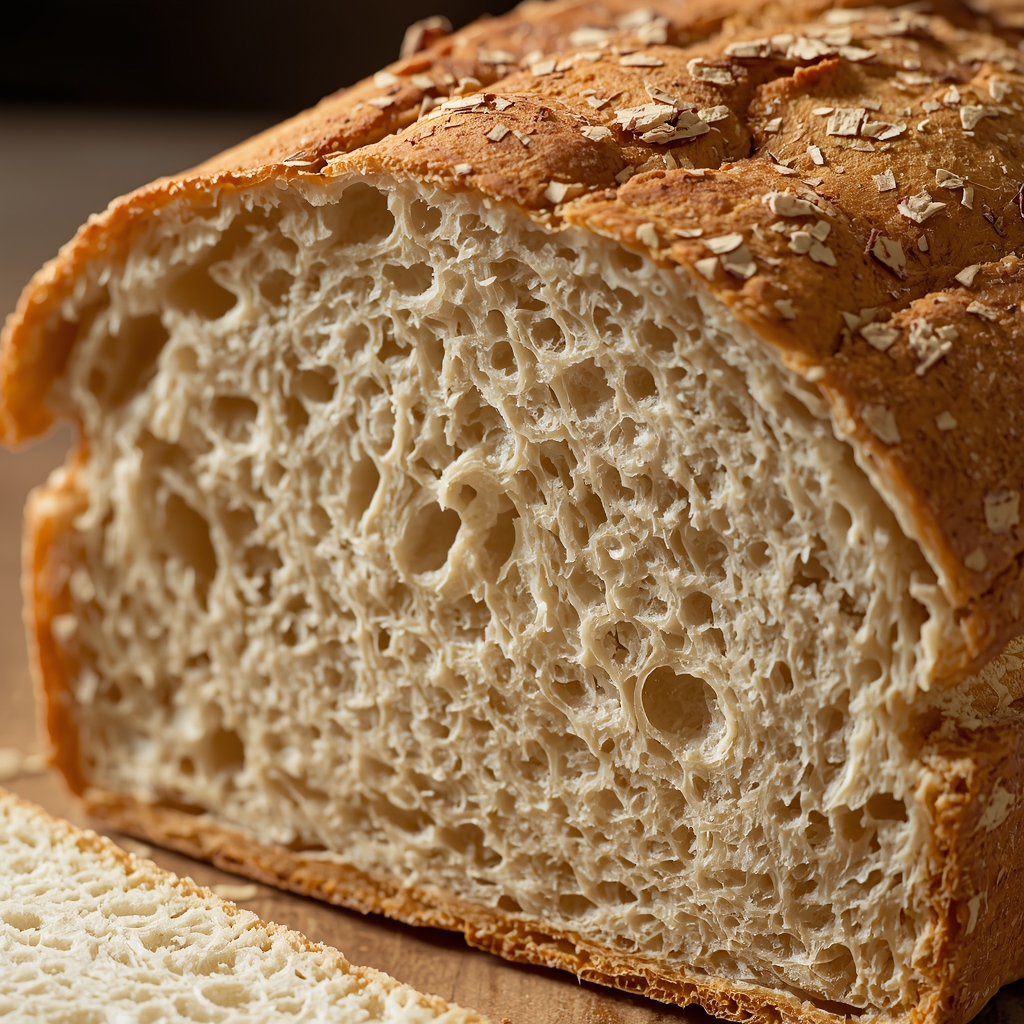
Tight Crumb Structure
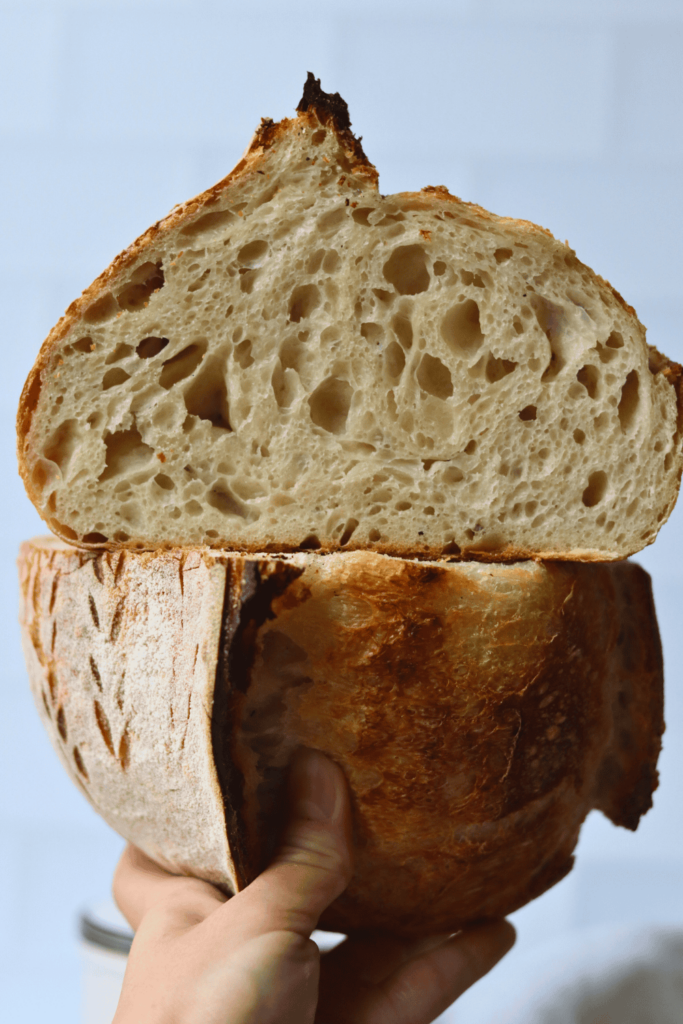
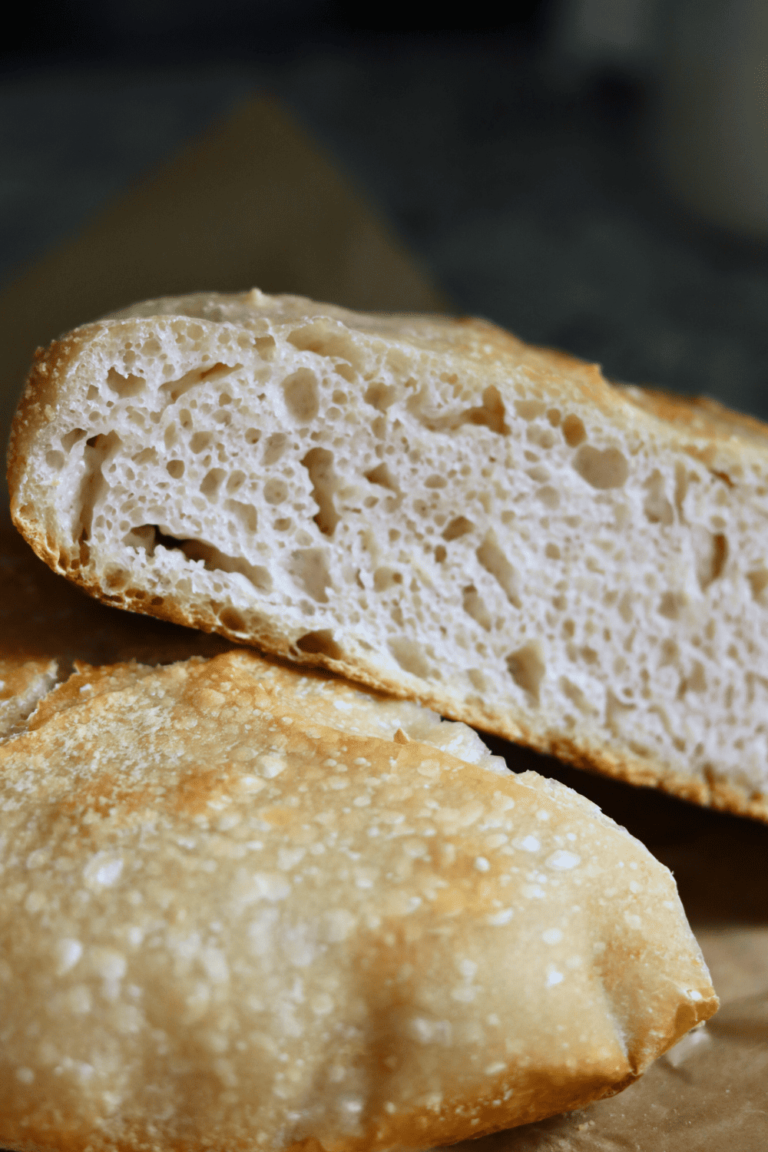
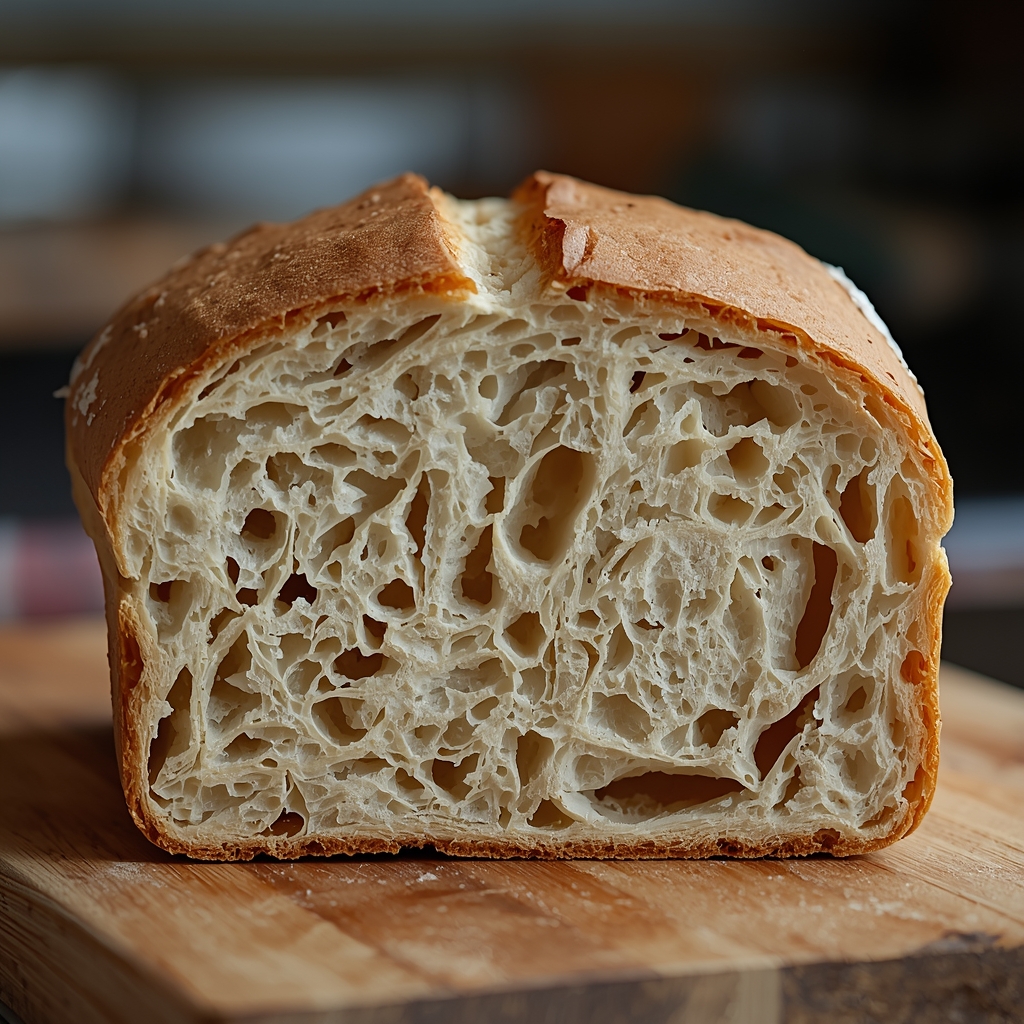
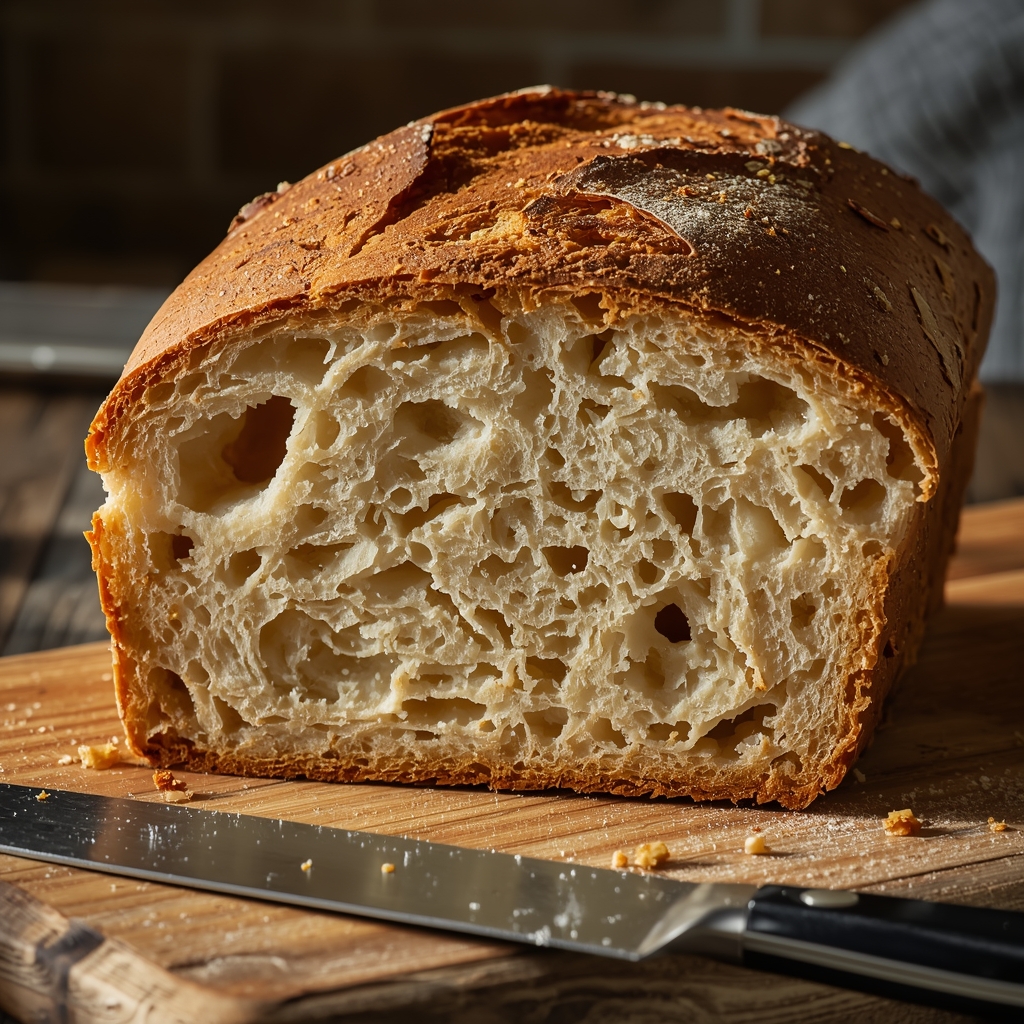
The most obvious sign of underproofing is a tight crumb. When you slice into a properly proofed sourdough you expect irregular holes of various sizes. Big open pockets surrounded by a thin web of gluten indicate good fermentation and rise.
Underproofed bread on the other hand shows a very uniform small cell structure. The crumb looks dense and compact. The holes are tiny and evenly spaced without variance. The bread may feel heavy rather than light for its size.
Imagine cutting into a loaf and expecting airy tunnels of open crumb only to find the interior looks more like sandwich bread. That response tells you the dough did not develop enough gas or absorb the gases well before baking.
Reduced Oven Spring
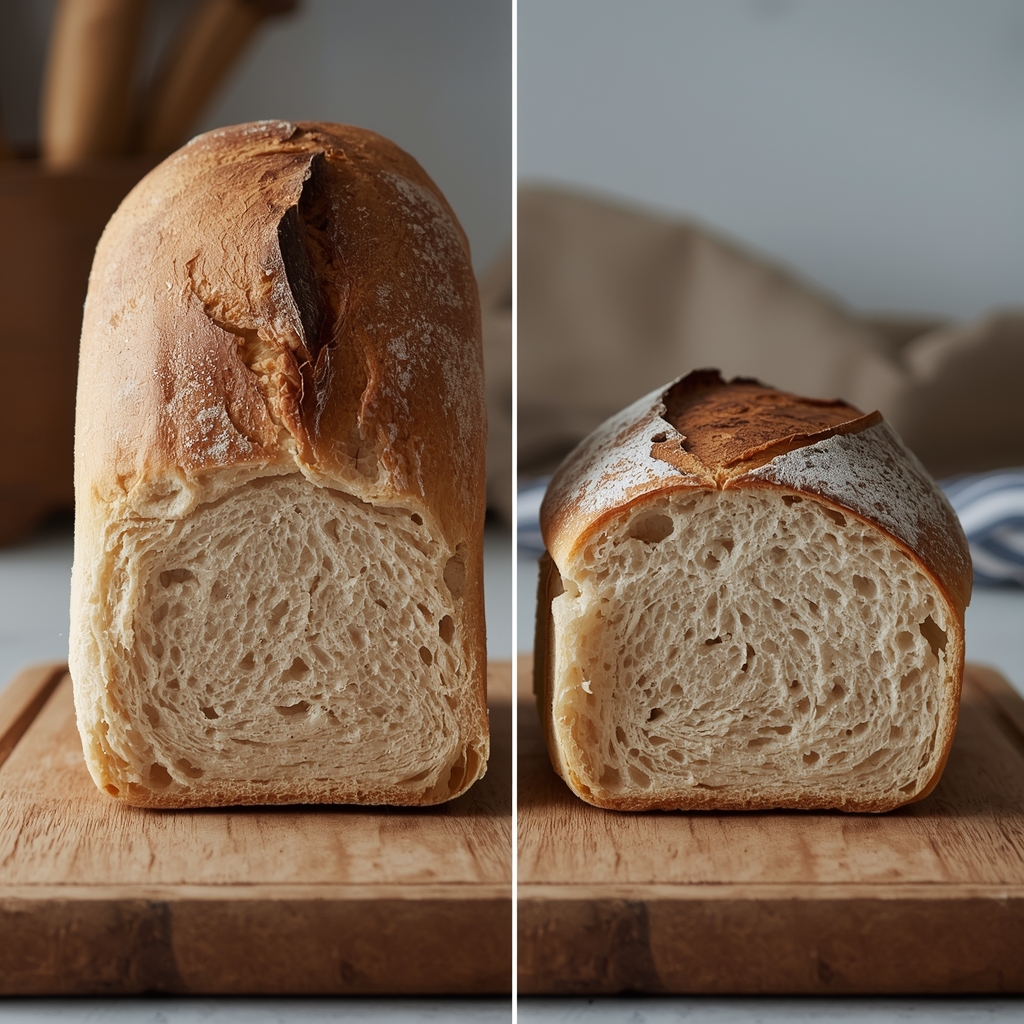
Oven spring refers to the expansion that happens in the first minutes of baking. When dough enters the hot oven the heat causes rapid gas expansion and yeast activity until the crust sets. Underproofed dough often has limited oven spring. It might not rise much in the oven, leaving a shorter loaf than expected.
You might imagine two loaves side by side. One leaps upward with a tall profile. The other barely grows. The one that barely grows is often underproofed.
Thick Crust Relative to Interior
Underproofed sourdough can also have a crust that seems thick relative to the size of the interior crumb. Because the dough did not expand fully before baking the crust forms quickly over a smaller interior volume. This can make the loaf feel crust heavy compared to its crumb.
For example if a loaf feels dense and the crust seems to dominate the bite more than the interior that can be a sign that fermentation was not complete. This is especially noticeable if you expected a larger loaf.
Sour or Yeasty Flavor Imbalance
Proper fermentation not only creates structure but also flavor. Underproofed bread may taste more yeasty or have less of the nuanced sour notes that develop over time. The acidity and complex flavors created by the natural bacteria require fermentation time. Without it the flavor can be less developed.
You might bite into a loaf and sense sharp yeasty notes or a blandness rather than a balanced tang. This flavor clue often points to proofing that was too short.
Gumminess Near the Crust
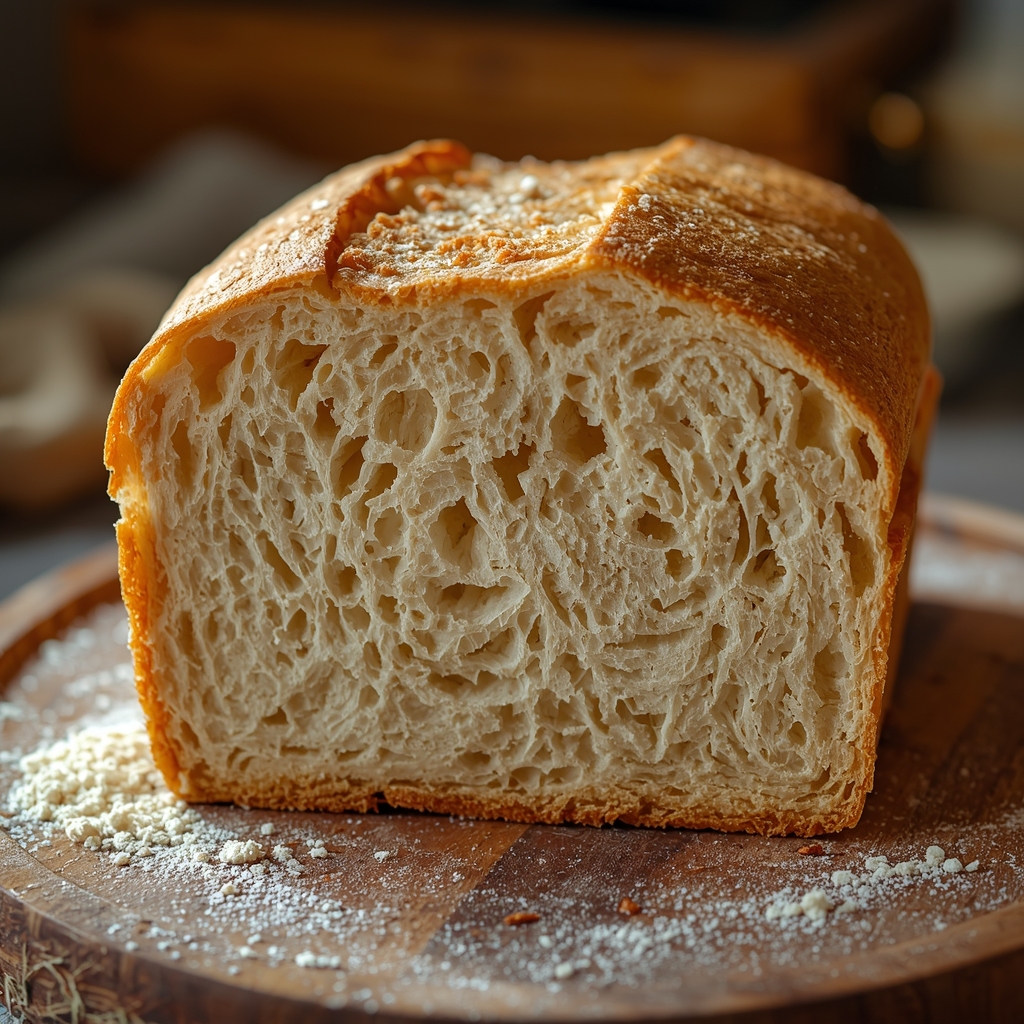
Because underproofed dough has not developed a full open structure the crumb near the crust can feel gummy or sticky. The interior might not have baked out evenly. This is especially true if the loaf was baked at high heat to force oven spring. The exterior sets while the inside remains dense.
If when you slice the loaf you notice sections near the crust are damp or look undercooked even though the internal temperature was correct this might be a symptom of underproofing rather than baking error.
Real Examples
Let us imagine specific scenarios so you can visualize how underproofed sourdough appears.
Example One
A home baker mixed a dough and shaped it after only a short bulk fermentation. The room was cool and the dough barely grew. The baker trusted the clock and baked after one hour proofing. The loaf came out with very small uniform holes. It was noticeably heavy. The crust was thick and the flavor was slightly yeasty with little complexity.
In this case the lack of bulk fermentation and short proofing led to underproofed dough. If the baker had waited longer and used the poke test the outcome could have been better.
Example Two
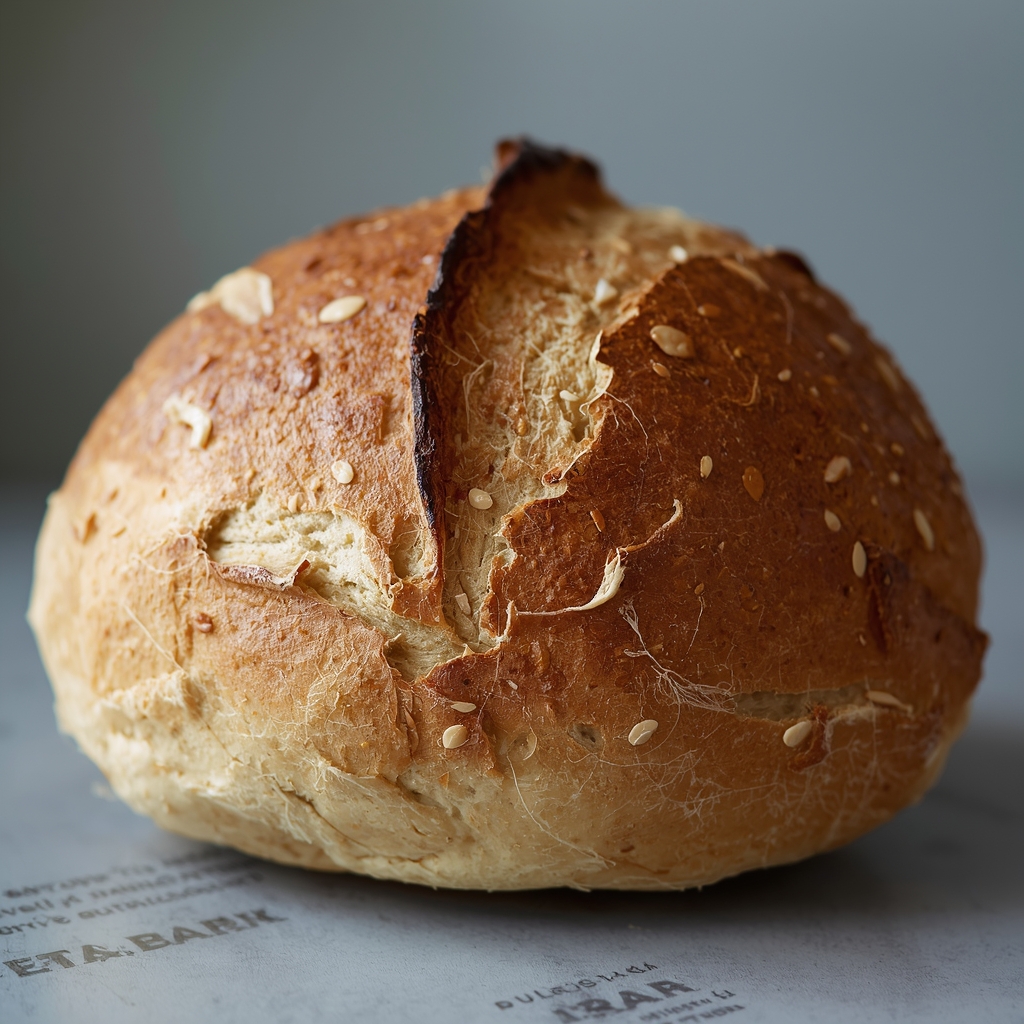
Another baker shaped a dough after a long bulk ferment without checking the temperature. The dough was overworked and placed in a cold kitchen for proofing. Five hours later it still looked compact. The baker assumed it was ready and baked. The loaf rose slightly in the oven but the crumb was tight.
Here the environment slowed the yeast activity. The dough needed warmer conditions or a longer proof. Recognizing the lack of volume increase and failed poke test would have indicated it was not ready.
Example Three
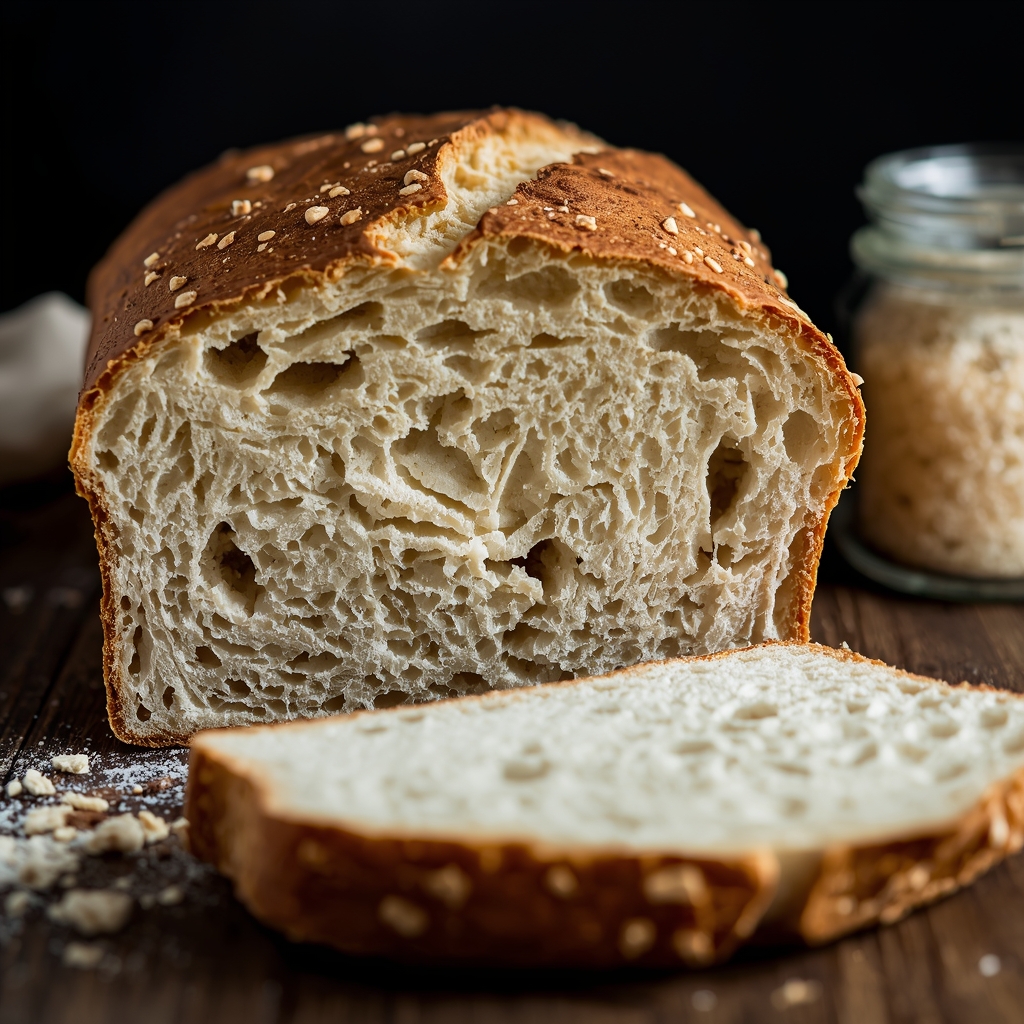
A baker used a young starter that had not been fed recently. The dough looked fine at shaping but did not show much rise in the proofing basket. After baking the loaf was dense and had a strong yeasty bite. The baker realized that an active starter and proper fermentation time are crucial.
This example shows how starter strength ties directly to proofing success.
Example Four
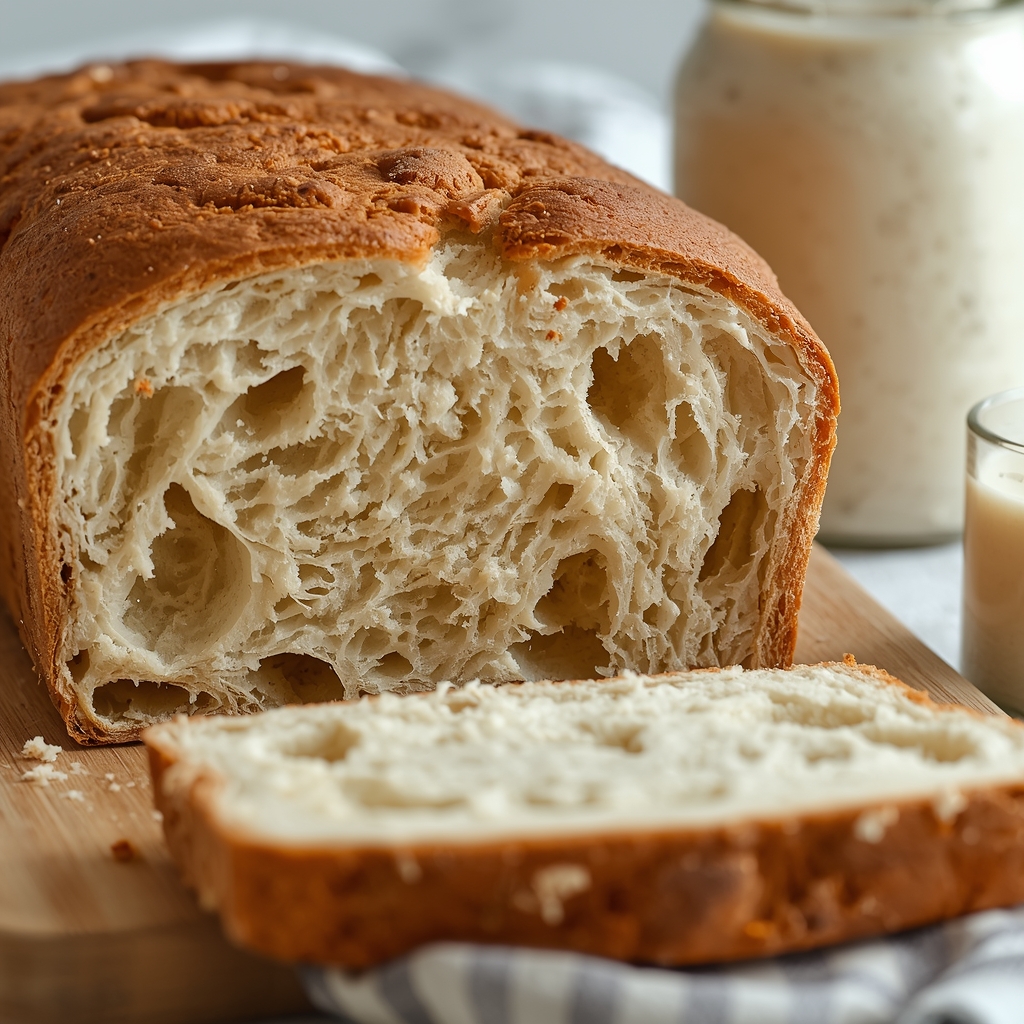
A baker shaped dough that had gluten development issues. The dough did not hold gas well and collapsed slightly during proofing. The baker thought it might be ready but baked it anyway. The crumb was tight and the loaf lacked the expected lift.
This case highlights how underdeveloped gluten can mimic underproofing. The solution is to work on gluten development in early stages through folds and proper mixing.
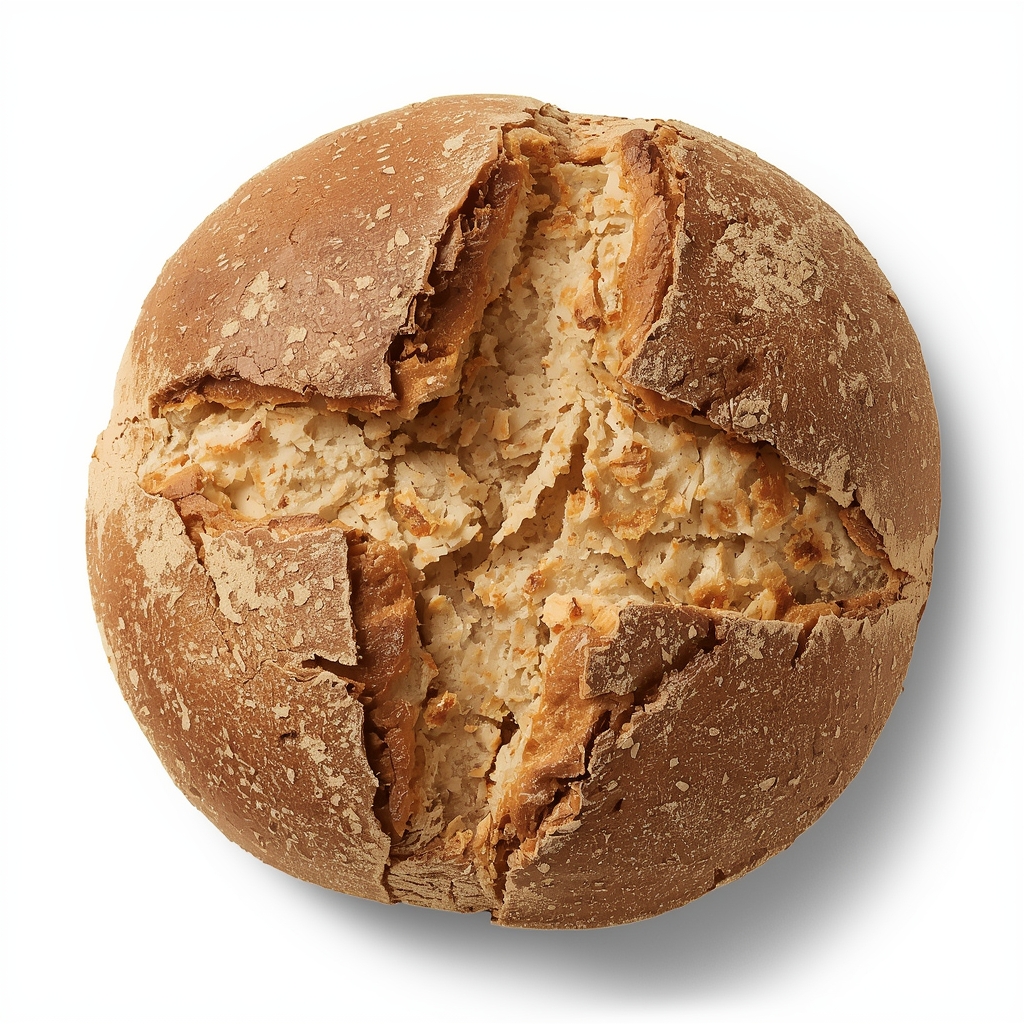
How to Prevent Underproofing
Understanding the signs is important. But what can you do to prevent underproofing in the first place? Here are practical tips.
Use an Active Starter
Your starter must be lively. Feed it regularly. Use it when it doubles in size predictably. A weak starter creates less gas and slows fermentation.
Watch the Dough Not the Clock
Proofing times vary with temperature starter strength and dough hydration. Relying on a preset time can lead to mistakes. Check the dough visually and with gentle touch.
Use the Poke Test
Practice the poke test gently and often. You will learn what properly proofed dough feels like. The transition from tight to ready is subtle but learnable.
Adjust Temperature
Warmer proofing environments speed fermentation. If your kitchen is cold consider placing dough in a warmer area or using a proofing box. Cooler environments require more time.
Consider Hydration
Doughs with higher water content often ferment more quickly and show proofing signs faster. Dry doughs can be slow. Balance hydration with your skill level and desired crumb.
Bulk Ferment Before Shaping
Proper bulk fermentation builds strength and creates gas. Skipping or rushing bulk fermentation often leads to underproofing later. Give this stage the time it needs.
What to Do When You Think Dough is Underproofed
If you notice signs of underproofing before baking do not panic. You can extend proofing time. Cover the dough and wait. Watch for volume increase and use the poke test again.
If you only realize it after baking do not discard the bread. Dense sourdough still makes great toast sandwiches breadcrumbs and croutons. You can still enjoy the bread. Use it in ways where texture matters less than flavor. This helps you learn without wasting the effort.
Comparing Underproofed and Properly Proofed Bread
Seeing the difference side by side makes the concept clearer.
In properly proofed sourdough the crumb will show irregular holes. Some holes may be large. Others are medium or small. The texture feels light when you press a slice between your fingers. The flavor is balanced. The crust is thin and crisp relative to the loaf.
Underproofed sourdough on the other hand feels dense. The holes are tiny and uniform. The crumb feels heavier. The crust feels thick and the flavor may lean more toward sharp yeastiness or flatness.
It is almost like comparing cotton to heavy dough. Once you know what to look for the differences are unmistakable.
Signs Your Dough is Properly Proofed
So the question is, how can I tell when my dough read to be shaped?
There isn’t a set time for your bulk ferment. It is greatly dependent on the temperature of your environment and how much starter you use in your recipe. The warmer it is, the faster your dough will ferment. The opposite is true for cooler temperatures. Smaller amounts of starter, like 50 grams will have a slower bulk fermentation when compared to larger amounts like 100-150 grams.
Remember, bulk fermentation begins the moment you mix your dough and continues until you shape your dough.
In an environment of 70 degrees F, doughs will typically bulk ferment for a total of 12 hours, but again, you will have to look for the signs that your dough is done fermenting, rather than the clock.
Here’s what to look for :
- The dough should have increased in size by 50-75%
- The dough looks light, airy and jiggles when shaken.
- The dough should easily pull away from the bowl. It shouldn’t leave lots of dough behind on the bowl.
- There should be visible bubbles on top of the dough.
- The dough doesn’t tear when you do a windowpane test.

How to Use Under-Proofed Sourdough Bread:
If you’ve concluded that you have under proofed sourdough, I want to remind you not to throw it away! Praise be, not is all lost. You can still enjoy a slice of under proofed sourdough bread.
My family knows, those first few months of my sourdough journey included plenty of over and under proofed loaves and you better believe we ate every morsel! So slice it up, slather on top some butter and you can still enjoy your hard work.
I’ve also included a few recipes that I love to use to help transform under proofed bread into something extra tasty!
These are a few options that you can choose to transform your under-proofed sourdough bread into:
Sourdough French Toast Casserole
Warm soft, custardy sourdough bread sweetened with pure maple syrup and spiced with ground cinnamon – heavenly! Top it off with a crispy streusel topping and drizzle with more maple syrup – even better.
Such a simple way to transform under proofed sourdough bread.
Sourdough Strata
Basically the same thing as above, but savory!
Sourdough Strata is a flavorful dish featuring salty pork sausage, spinach, and Gruyere cheese layered over tangy Sourdough bread soaked in a creamy custard mixture. This quick and impressive breakfast or brunch option is sure to please any crowd with its flavor and texture.

Sourdough Breadcrumbs
Repurpose your under proofed sourdough by turning it into Sourdough Breadcrumbs!
I love using these breadcrumbs for delicious dishes like breaded chicken, Italian meatballs or even fried pickles!
Such a simple, no-waste option.
Sourdough Croutons
Crispy, crunchy golden bites go perfectly on top of fresh salads or warm bowls of soup. This Sourdough Crouton Recipe only needs a few simple ingredients and 15 minutes to bake.
FAQs
What exactly is underproofed sourdough bread?
Underproofed sourdough is dough that has not risen enough during its final proof before baking. This means the gas bubbles produced by yeast and bacteria are underdeveloped, resulting in a dense crumb, limited oven spring, and sometimes a yeasty or flat flavor.
How can I tell if my dough is underproofed before baking?
Look for signs such as minimal volume increase, a tight or firm surface, a quick rebound in the poke test, and difficulty forming a windowpane when stretching the dough. If the dough feels compact or resists gentle pressure, it may need more proofing.
What does underproofed bread look and taste like after baking?
Baked underproofed sourdough typically has a dense, uniform crumb, thick crust relative to the interior, limited rise in the oven, and sometimes a sharp yeasty or bland flavor. The interior near the crust can also feel gummy.
How can I prevent underproofing in my sourdough?
Use an active starter, monitor the dough instead of relying strictly on time, perform the poke test, adjust proofing temperature, maintain proper hydration, and allow sufficient bulk fermentation before shaping.
Can underproofed bread still be used?
Yes. While it may not have the airy texture of properly proofed sourdough, underproofed bread is still usable for toast, sandwiches, croutons, or breadcrumbs. It also provides a learning opportunity to improve proofing in future bakes.
More Recipes: