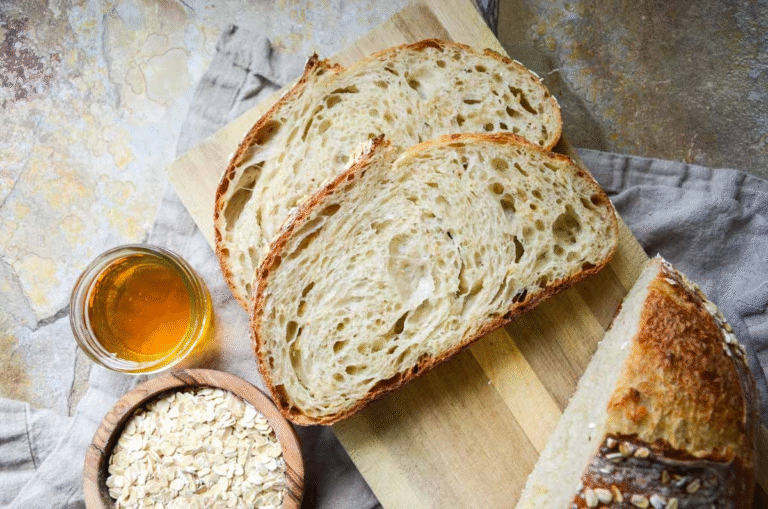
Mastering Sourdough | Easy Starter Tips, Bread Recipes, and Troubleshooting
Sourdough baking has grown in popularity as more people seek the deep flavor and satisfying texture of homemade bread. The process starts with a simple mixture of flour and water that captures wild yeast and bacteria, creating a living starter that gives bread its signature tang. Many beginners feel overwhelmed at first, but with patience and practice, anyone can succeed.
The beauty of sourdough lies in its natural fermentation, which improves digestibility and creates complex taste without commercial yeast. Once you master the basics, you gain freedom to experiment with different flours, shapes, and add-ins. This ancient method connects modern kitchens to centuries of tradition while producing bread far superior to store-bought loaves.
Whether you want crusty artisan loaves, soft sandwich bread, or creative discard recipes, mastering sourdough opens endless possibilities. The following guide breaks everything down into clear, manageable steps so you can build confidence and enjoy fresh bread at home.
Why Mastering Sourdough Is Rewarding
Sourdough bread offers superior flavor and better keeping qualities than yeast breads. The long fermentation develops nutrients and reduces phytic acid, making minerals more available. Many people report easier digestion compared to regular bread.
The process encourages mindfulness and creativity in the kitchen. You control ingredients, avoid additives, and save money over time. Families enjoy the aroma of baking bread and the pride of sharing homemade loaves. Mastering it transforms a simple skill into a fulfilling hobby.
Creating and Maintaining a Sourdough Starter
Begin with equal parts flour and water by weight, such as 100 grams each of whole grain flour and filtered water. Mix thoroughly in a clean jar and cover loosely. Feed daily by discarding most of the mixture and adding fresh flour and water. Keep at room temperature around 70-75°F.
After 5-7 days, you should see consistent bubbling and doubling within 4-8 hours after feeding. A mature starter passes the float test: a spoonful dropped in water floats. Maintain it by feeding twice daily when active or storing in the fridge and feeding weekly. This living culture becomes the heart of all your sourdough baking.
How to Master Sourdough Bread Making
This section provides the core process and techniques that answer the main question of mastering sourdough. Start with an active, bubbly starter. Mix 100 grams starter, 350 grams water, 500 grams flour, and 10 grams salt in a large bowl until no dry flour remains. This basic ratio creates a workable dough for beginners. Cover and let it rest for 30 minutes, then perform a series of stretch-and-folds every 30 minutes for 2-3 hours to build strength.
Allow bulk fermentation at room temperature until the dough increases 30-50% in volume, usually 4-8 hours depending on temperature. Divide and shape into loaves, then proof in baskets or bowls for 2-4 hours or overnight in the refrigerator. Preheat a Dutch oven to 450°F, score the loaf, and bake covered for 20 minutes, then uncovered for 20-25 minutes until deep golden with a hollow sound when tapped.
Mastering timing and dough feel comes with practice. Warmer kitchens speed fermentation while cooler ones slow it down. Use a kitchen scale for accuracy and keep notes on each bake. These fundamentals help you develop intuition for consistent, high-quality loaves.
Basic Sourdough Bread Recipe
Combine 100g active starter, 375g water, 500g bread flour, and 10g salt. Mix until incorporated, rest, then stretch and fold over 2-3 hours. Bulk ferment until puffy, shape, and proof. Bake in a preheated Dutch oven for excellent oven spring and crust. Cool completely on a wire rack before slicing for best texture.
This recipe produces a classic country loaf with open crumb and crisp crust. Adjust hydration slightly for different flours. The process takes about 12-18 hours total but most of it is hands-off waiting time.
Troubleshooting Common Sourdough Issues
Dense loaves often result from under-fermented dough or weak starter. Improve by ensuring active starter and longer bulk fermentation. Flat loaves may need better shaping technique or scoring for proper expansion.
Gummy texture usually means under-baking or cutting too soon. Aim for internal temperature of 205-210°F. Sticky dough benefits from higher hydration practice or additional folds. Keeping a baking journal helps identify patterns and improvements over time.
Delicious Sourdough Discard Recipes
Sourdough discard adds tangy flavor to pancakes, waffles, and quick breads. Mix 1 cup discard with milk, egg, flour, and baking powder for fluffy pancakes. The natural acidity reacts with leavening for light texture without long rises.
Make discard crackers by combining discard, flour, oil, salt, and herbs. Roll thin and bake until crisp. These store well and make excellent snacks. Banana bread or muffins using discard stay moist longer due to the fermented properties.
Advanced Techniques for Mastery
Try higher hydration doughs for open crumb once basics feel comfortable. Experiment with different flours like whole wheat or rye for flavor variations. Cold proofing in the refrigerator develops deeper taste and easier handling.
Scoring patterns add beautiful design and control expansion. Steam in the oven or Dutch oven creates shiny, crisp crust. These skills build naturally as you gain experience and confidence.
| Sourdough Stage | Typical Time | Key Action | Common Adjustment |
|---|---|---|---|
| Starter Feeding | Daily | Discard and refresh | Adjust ratio for activity |
| Bulk Fermentation | 4-8 hours | Stretch and folds | Temperature monitoring |
| Proofing | 2-12 hours | Shape and rest | Use fridge for control |
| Baking | 35-50 minutes | Score and bake | Check internal temp |
This table outlines the main stages for quick reference during your baking journey.
Tools and Equipment Essentials
A digital scale ensures accurate measurements for consistent results. A bench scraper helps with shaping and cleaning. Proofing baskets or bowls lined with towels support the dough during rising.
A Dutch oven provides excellent heat retention and steam for crust development. Sharp scoring tools or a lame create clean cuts. Basic items like jars and thermometers complete a functional sourdough setup.
Food Safety and Best Practices
Use clean equipment and filtered water for your starter. Discard any starter with unusual colors or strong off smells. Bake to proper internal temperature for food safety.
Store baked bread in paper bags or bread boxes at room temperature. Freeze sliced loaves for longer storage. These habits maintain quality and safety throughout the process.
Building Your Sourdough Routine
Start small with one loaf per week and increase as comfort grows. Keep your starter happy with regular feedings and observe its behavior. Share loaves with friends and family to spread the joy of homemade bread.
Document your bakes with notes on timing, temperature, and results. This practice accelerates learning and creates a personal reference over time. Sourdough becomes a rewarding rhythm in your kitchen life.
Summary
Mastering sourdough involves creating a healthy starter, understanding fermentation timing, and practicing shaping and baking techniques for consistent loaves. The process rewards patience with incredible flavor and texture you cannot buy. Use discard creatively, troubleshoot thoughtfully, and enjoy the journey of baking bread at home. With these foundations, you can develop your own style and share wonderful sourdough creations with those around you.
FAQ
How long does it take to master sourdough?
Most beginners see good results within 4-8 weeks of regular practice. True mastery develops over months as you learn your starter and environment. Patience and consistent baking speed up progress significantly.
What is the best flour for sourdough starter?
Whole grain rye or wheat flours jumpstart activity due to higher nutrients. Switch to bread flour for maintenance and baking. A mix often gives balanced flavor and strength.
Why is my sourdough bread dense?
Under-fermented dough or weak starter are common causes. Ensure active starter and sufficient rise times. Proper shaping and scoring also help with oven spring and open crumb.
Can I use sourdough discard in other recipes?
Yes, discard adds tangy flavor to pancakes, crackers, muffins, and quick breads. It replaces some liquid and flour in many recipes. This reduces waste and creates unique taste.
How do I store sourdough starter long-term?
Keep it in the refrigerator and feed weekly. For longer breaks, dry it into flakes or freeze portions. Revive by feeding regularly at room temperature until bubbly and active again.