Homemade Sourdough Cinnamon Raisin Bagels Recipe
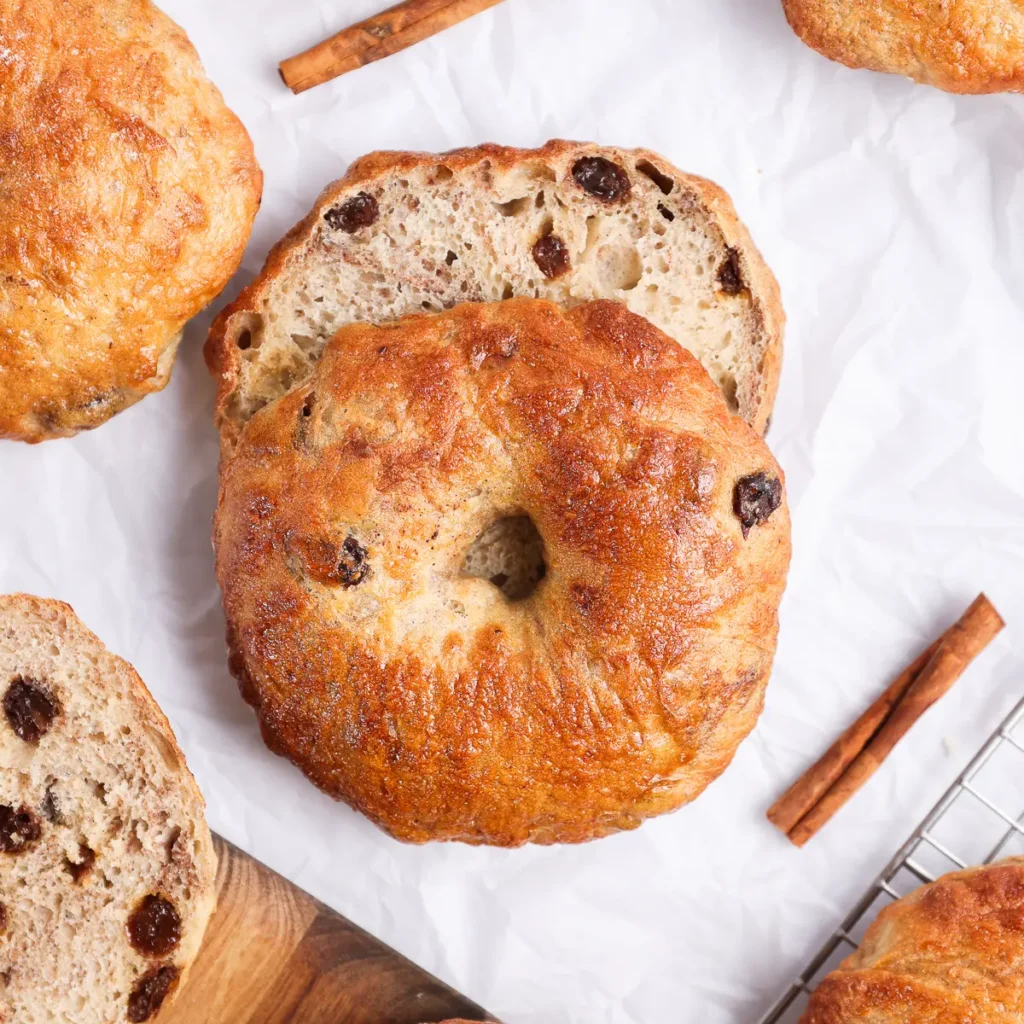
Transform your sourdough starter into bakery quality cinnamon raisin bagels right in your own kitchen! These homemade sourdough cinnamon raisin bagels combine the tangy depth of naturally fermented dough with sweet cinnamon swirls and plump raisins for an irresistible breakfast treat. Whether you’re an experienced sourdough baker or just starting, this foolproof recipe yields perfectly chewy bagels with a golden, shiny crust and a soft, flavorful interior.
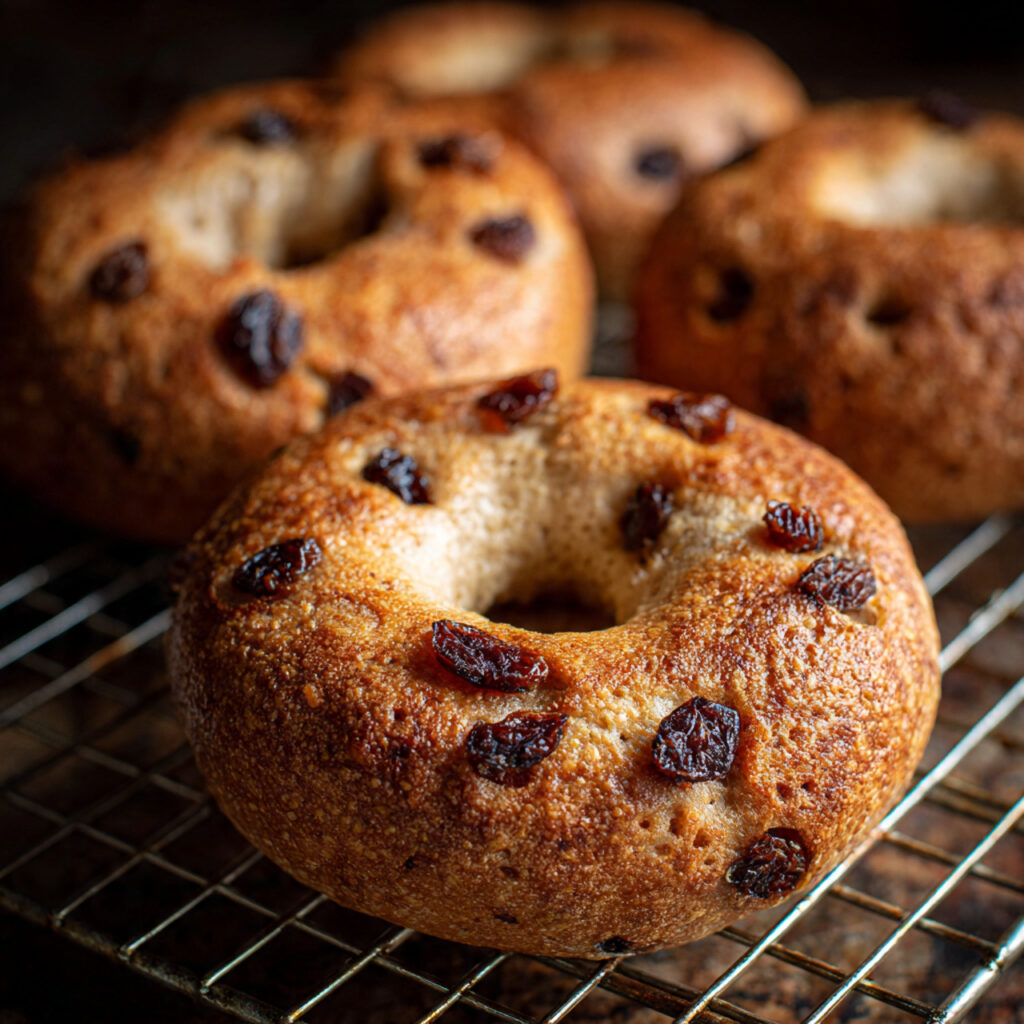
Making sourdough bagels from scratch is easier than you think, and the results are far superior to store bought versions. The slow fermentation process not only develops incredible flavor but also makes these bagels more digestible than traditional yeasted varieties. Each bite offers the perfect balance of tangy sourdough, warm cinnamon, and bursts of sweet raisins—ideal for toasting, slathering with cream cheese, or enjoying plain.
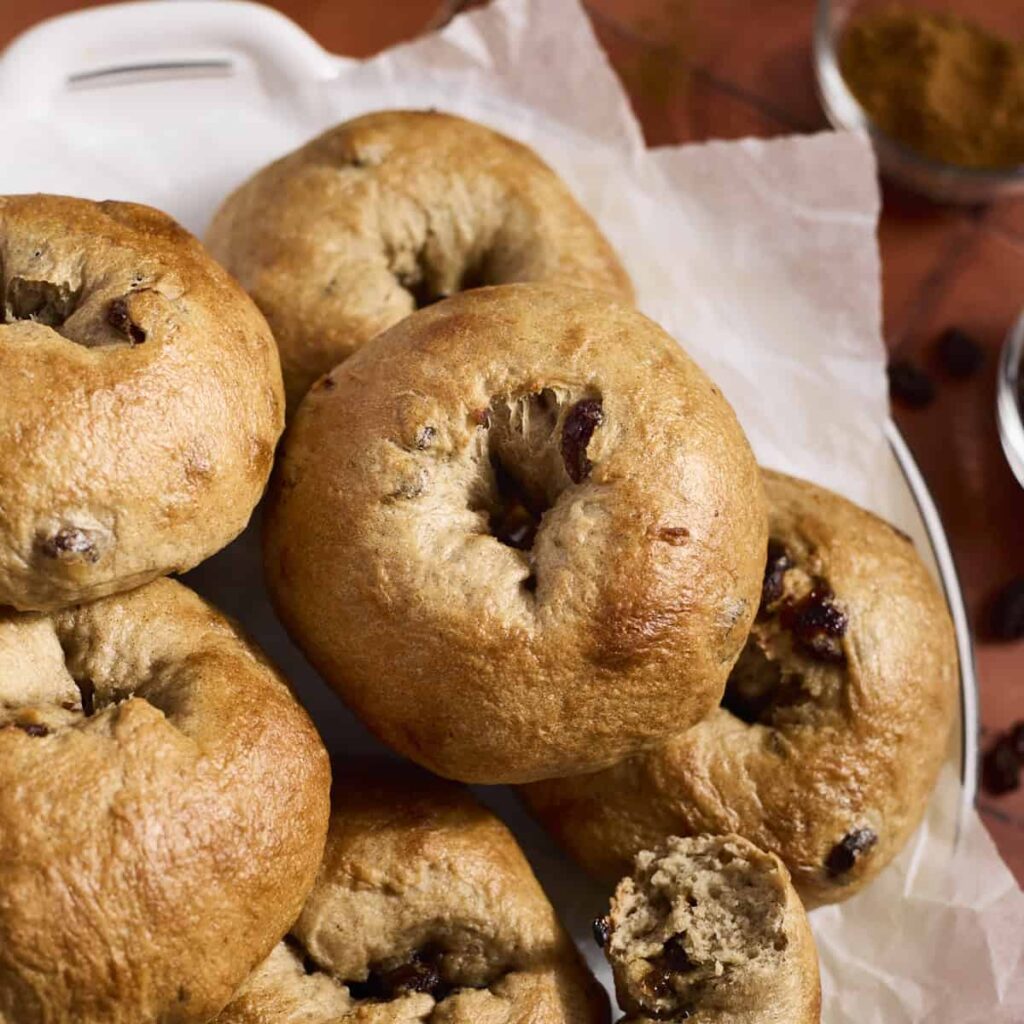
This recipe uses active sourdough starter (or sourdough discard), making it a practical way to use your starter while creating a breakfast everyone will love. With simple ingredients like bread flour, cinnamon, and raisins, plus the traditional boiling step that gives bagels their signature chewy texture, you’ll master the art of homemade bagel making in no time.
Ingredients & Substitutions
* To find precise measurements, scroll to the bottom of this post to find the recipe card*
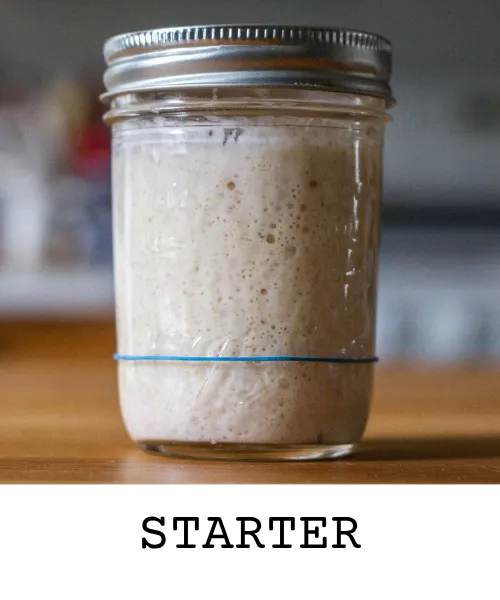




Active sourdough starter: An active and bubbly starter will give you the best rise for these chewy bagels.
Water: Make sure the water is no hotter than 120 degrees F; otherwise, this can kill the starter and prevent your dough from rising.
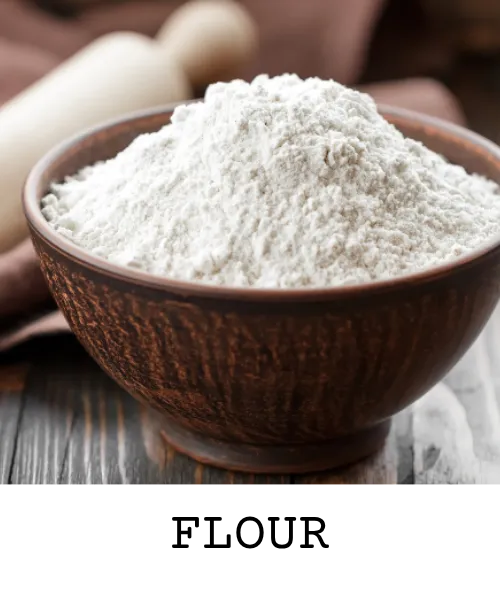
Bread flour: You technically can use all purpose flour for this recipe, but I highly suggest making it with bread flour, as it has a higher protein percentage. This allows the dough to rise to great lengths for a more chewy and enjoyable sourdough bagel.
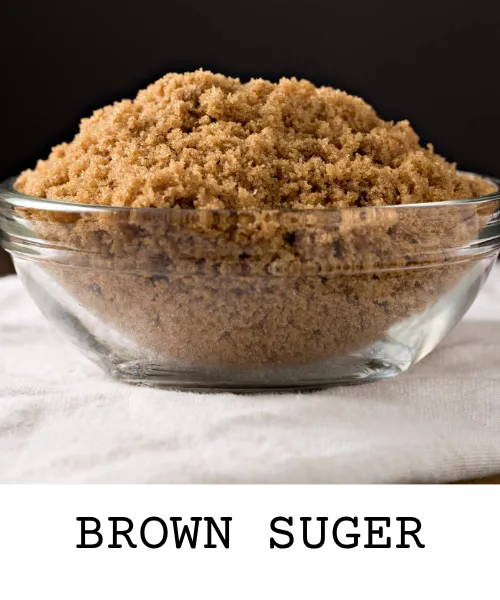
Brown sugar: Light or dark brown sugar adds a touch of sweetness, but you can use alternate sugars like cane, coconut sugar, or honey.
Salt: Any unrefined salt will do, but my favorite is Redmond’s unrefined salt for some extra minerals!
Raisins: Though this isn’t 100% necessary, I highly recommend soaking your raisins in boiling water before adding them to the bagel dough. This gives you plump and juicy raisins in every bite!
Ground cinnamon: Cinnamon has antimicrobial properties, which can slow down the fermentation in a loaf, so be prepared for an extended bulk fermentation. However, you can sprinkle just the tops of the bagels with ground cinnamon just before baking if you prefer.
Honey: Adding a little bit of honey to the boil bath gives your bagels the perfect golden brown, chewy crust once they are baked. This can be substituted with brown sugar or maple syrup as well.
Supplies
Large mixing bowl
Kitchen scale
Plastic wrap/shower cap (what I use!)
Bench scraper or a sharp Knife
Parchment paper
Baking sheet
Plastic baking sheet cover
Kitchen towel
Slotted spoon
How to Make Sourdough Bagels
Make The Dough
In a large bowl, add your active starter, warm water, and brown sugar. Mix by hand (or use a Danish Dough Whisk, one of my favorite sourdough tools!). It will look like a tan, milky liquid. Next, add the bread flour and salt to the dough. Mix until most of the flour has been incorporated.
Next is a small labor of love, but it’s all worth it. Knead the dough for 5-6 minutes. I’ve tried using a stand mixer, but my bagels never taste as soft and chewy as when I do it by hand. So it is still my preferred method.
If you prefer using a stand mixer, mix the ingredients on low for 4-5 minutes with a dough hook until fully combined and the dough is pulling away from the sides of the bowl.
First, I keep the dough in the bowl—less mess. Praise! Next, pull a small section of bagel dough above the rest, fold it over on top, and push into the dough with the heel of your hand. Repeat this motion while turning the bowl of dough clockwise for 5-6 minutes.
As you knead, you will notice the dough will become pretty stiff and a little bumpy looking—this is a low hydration recipe, so it will be a stiff dough. Totally normal! After your mini arm workout, cover the dough with a reusable shower cap and let it rest for 60 minutes.
In the meantime, prepare the raisins.
This isn’t 100% necessary, but I prefer plump and juicy raisins in my bagels. To do so, add the raisins to a small bowl and pour the boiling water on top. Allow them to soak while the dough rests.
Stretch and Fold
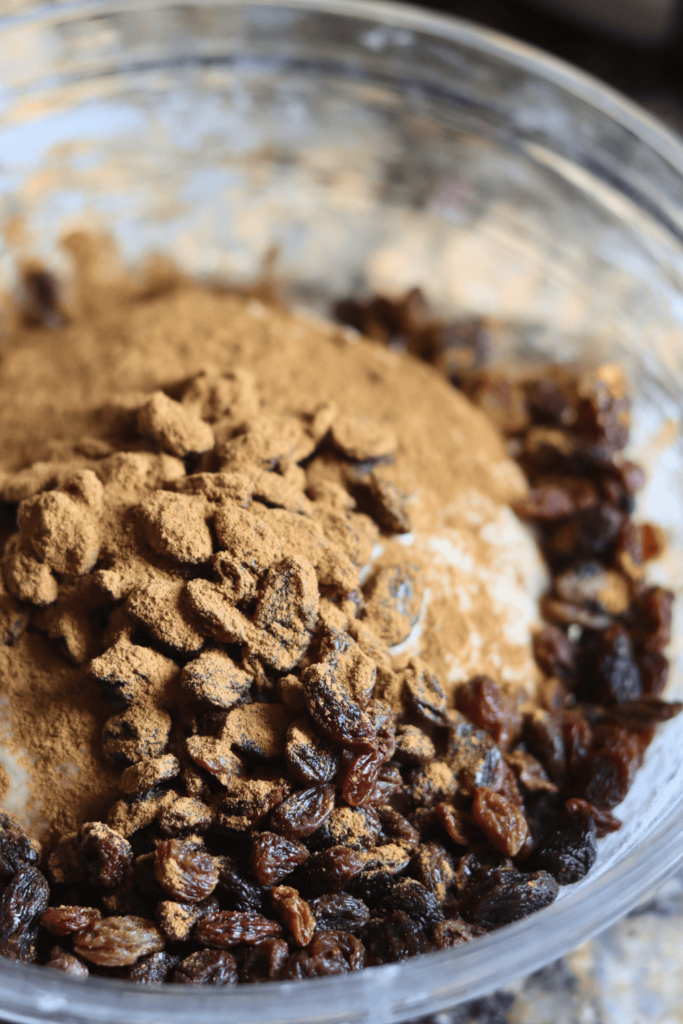
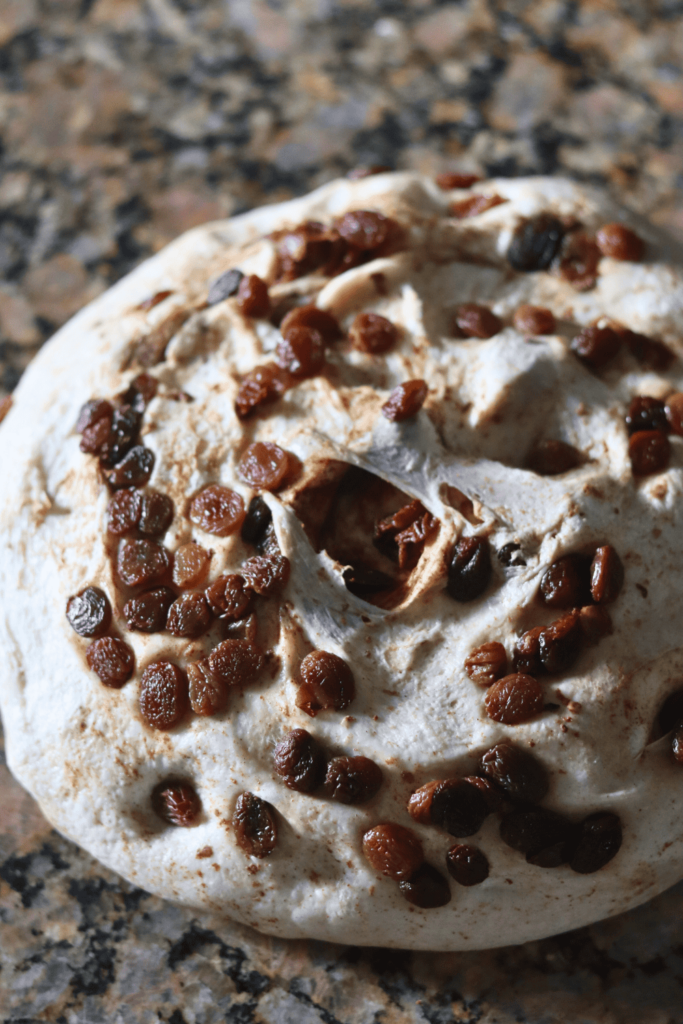
After 1 hour of resting, strain the raisins and pat dry with a paper towel. Pour the raisins on top of the bagel dough as well as the ground cinnamon. Repeat the same “stretch, fold, and push” routine with the heel of your hand for 30 seconds.
I prefer adding the cinnamon now, rather than with the flour, so that you can see the beautiful cinnamon streaks in the bagels!
Some of the raisins won’t be fully mixed in, and that’s okay. We will correct this during shaping.
You’ll notice the dough is a little less stiff and now the dough ball is smoother. Cover the bowl with a reusable shower cap and place the dough in a warm place to rise.
Bulk rise
Leave the dough to double in size. In my 69-degree F kitchen, this typically takes anywhere from 8 to 12 hours. If your kitchen is warmer, it will take less time, and the opposite is true if it is colder.
Please note: Cinnamon has antimicrobial properties that can slow down the fermentation process, so be prepared for an extended bulk fermentation. However, you can sprinkle just the tops of the bagels with ground cinnamon just before baking, if you prefer. Check on the dough regularly before shaping.
Shape
Once the dough has at least doubled in size, gently remove the sourdough bagel dough from the bowl and place it in your work surface – no flour dusting needed.
Stretch and shape the dough into a large rectangle, about 1/2 of an inch high. Now, with a bench scraper or a sharp knife, cut the dough into 8 equal triangle pieces. (I cut it like I would a pizza.)
You can weigh the pieces of dough on a kitchen scale to verify that they are all equal (about 115g), otherwise, just eyeball it and call it a day!
To shape, grab one piece of dough and pull the corners of the triangles towards the center, tucking in any exposed raisins. Then roll the dough until formed into a smooth ball. Repeat with the remaining pieces of dough.
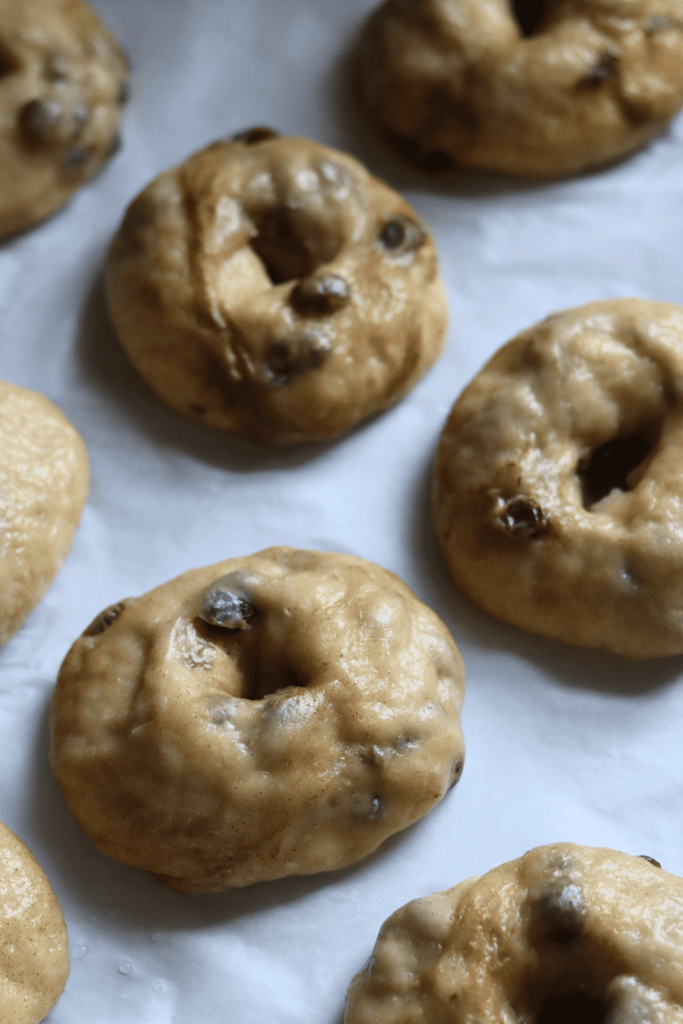
One at a time, use your thumb to punch a hole in the middle of the dough ball. Some raisins may escape, you can tuck them back in or leave them out. Stretch the dough ball with both thumbs, about 2 inches. The dough will shrink back a bit, but that’s okay.
Second rise
Place your shaped bagels on a parchment lined baking sheet and cover them fully with this plastic cover (love this thing!) or a damp tea towel so they don’t dry out.
Let them rest until puffed up in a warm place until they puff up slightly. In ym 69 degree F kitchen, I usually leave them for about 30-60 minutes.
Boil bath
While your bagels are rising, preheat your oven to 425 F degrees.
Fill a large pot of water. Add honey and whisk until well mixed. Bring the water to a boil.
Once the bagels have risen, it’s time to set up your station. I like to place a kitchen towel on the counter and a cooling rack on top to help for minimal cleanup later.
Carefully drop 2-3 bagels into the boiling water and boil for 30 seconds on each side.
Using a slotted spoon, scoop the bagels and place them on the cooling rack. Repeat until all bagels have been boiled.

Bake
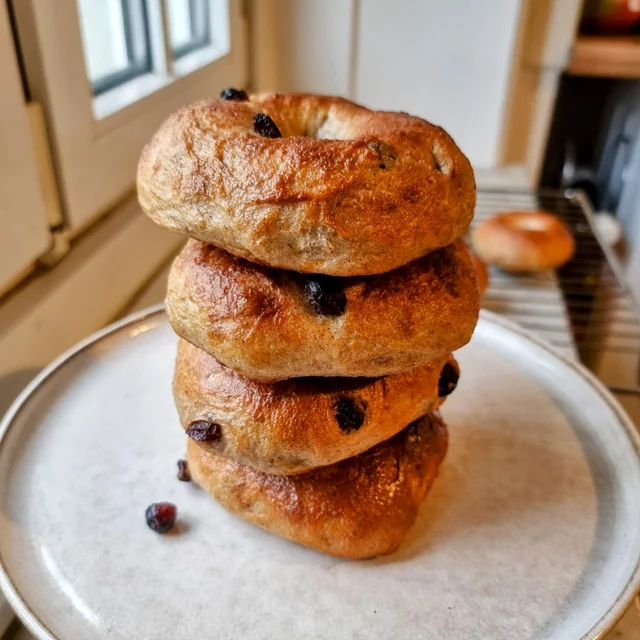
Bake the Cinnamon Raisin Sourdough Bagels for 20-25 minutes, or until golden brown.
Remove the bagels from the oven and let them cool on a wire rack.
Once they are cool enough to handle, I highly recommend slicing one while it’s still warm and spreading a slab of butter on top. That chewy, buttery bite will be out of this world, I promise!
How to Serve Sourdough Cinnamon Raisin Bagels
These homemade sourdough cinnamon raisin bagels are incredibly versatile and delicious any time of day. Here are the best ways to enjoy them:
Classic Style: Slice your bagel in half and toast until golden and crispy. Spread generously with cream cheese, butter, or your favorite nut butter for a simple, satisfying breakfast.
Sweet Toppings: Try honey butter, cinnamon cream cheese, maple cream cheese, or apple butter to complement the cinnamon and raisin flavors. A drizzle of honey or a sprinkle of cinnamon sugar while still warm makes them extra special.
Savory Options: Balance the sweetness with savory spreads like plain cream cheese, ricotta, or even a light schmear of goat cheese topped with fresh fruit.
French Toast Bagels: Transform leftover bagels into decadent French toast by dipping sliced bagels in an egg mixture and pan frying until golden brown.
Breakfast Sandwich: Create a sweet savory breakfast sandwich with cream cheese, crispy bacon, and a fried egg for an unexpected flavor combination.
Serve these bagels fresh from the oven for the ultimate experience, or toast day old bagels to restore their crispy exterior and soft interior.
How to Store Sourdough Cinnamon Raisin Bagels
Proper storage keeps your homemade sourdough bagels fresh and delicious for days. Follow these storage tips:
Room Temperature (1-2 Days): Store completely cooled bagels in an airtight container or resealable plastic bag at room temperature. They’ll stay fresh for up to 2 days. Avoid refrigerating bagels, as this makes them stale faster.
Freezing (Up to 3 Months): For longer storage, freezing is your best option. Once bagels are completely cool, slice them in half (this makes toasting easier later), then wrap each bagel individually in plastic wrap or aluminum foil. Place wrapped bagels in a freezer safe bag, removing as much air as possible. Label with the date and freeze for up to 3 months.
Thawing and Reheating: Remove frozen bagels from the freezer and let them thaw at room temperature for 30-60 minutes, or toast directly from frozen. For best results, pop frozen bagel halves straight into the toaster or toast oven until heated through and crispy on the outside.
Pro Tip: Refresh day old bagels by sprinkling them lightly with water and warming in a 350°F (175°C) oven for 5-7 minutes to restore their chewy texture.
With proper storage, you can enjoy fresh tasting sourdough cinnamon raisin bagels whenever a craving strikes!
For More Guidance:
Why You’ll Love This Sourdough Cinnamon Raisin Bagels Recipe
This homemade sourdough cinnamon raisin bagel recipe checks all the boxes for the perfect breakfast or snack. Here’s what makes these bagels so special:
Flavor
These sourdough bagels deliver an unbeatable combination of flavors that will have you coming back for more. The tangy, complex notes from the naturally fermented sourdough starter perfectly balance the sweet cinnamon and plump, juicy raisins throughout each bagel. Unlike store bought versions, these homemade bagels have authentic depth and character that can only come from slow fermentation. Every bite offers that signature chewy bagel texture with warm cinnamon spice and bursts of natural sweetness from the raisins. Whether you enjoy them plain, toasted with butter, or loaded with cream cheese, the flavor profile is restaurant quality delicious.
Easy
Don’t let the “sourdough” label intimidate you—this recipe is surprisingly beginner friendly! The dough comes together with just a handful of simple ingredients you probably already have in your pantry: sourdough starter, bread flour, cinnamon, raisins, and a few basics. The process is straightforward with clear steps: mix, knead, shape, boil, and bake. While the dough does require some rising time (which develops that amazing flavor), the actual hands on work is minimal. Even if you’re new to sourdough baking or bagel making, you’ll find this recipe approachable and rewarding. Plus, shaping bagels is fun and becomes easier with each batch!
Freezer Friendly
Make a double batch because these sourdough cinnamon raisin bagels freeze beautifully! This recipe is perfect for meal prep and busy mornings. Simply bake your bagels, let them cool completely, slice them in half, and freeze for up to 3 months. When you’re ready to enjoy one, there’s no need to thaw—just pop a frozen bagel half straight into the toaster for a fresh tasting breakfast in minutes. Having homemade bagels in your freezer means you always have a delicious, wholesome breakfast option ready to go. It’s the ultimate make ahead breakfast solution that saves time and money while delivering bakery quality results every single time.
Frequently Asked Questions
Can I use sourdough discard instead of active starter for these bagels?
Yes! You can use sourdough discard in this recipe, but there are a few adjustments to consider. If using unfed discard, you may need to add a small amount (1/2 to 1 teaspoon) of instant yeast to ensure proper rise, since discard has less leavening power than active starter. Alternatively, you can extend the rising time significantly (8-12 hours or overnight in the refrigerator) to allow the natural fermentation to work. Using discard is a great way to reduce waste while still achieving that tangy sourdough flavor. Keep in mind that bagels made with discard may have a slightly more sour taste compared to those made with freshly fed, active starter.
Why do you have to boil bagels before baking them?
Boiling bagels is the crucial step that gives them their signature chewy, dense texture and shiny, golden crust. When you boil the shaped bagel dough for 30-60 seconds per side, the hot water gelatinizes the starches on the surface, creating a barrier that limits how much the bagels expand in the oven. This process results in that characteristic dense, chewy interior that sets bagels apart from regular bread. Boiling also contributes to the shiny, slightly crispy exterior that makes bagels so appealing. Skipping this step would result in bread rolls rather than authentic bagels. Some bakers add a touch of honey, malt syrup, or baking soda to the boiling water to enhance browning and flavor.
How do I prevent the raisins from burning on the outside of my bagels?
Burning raisins are a common issue, but there are several easy solutions. First, make sure to knead the raisins into the dough thoroughly so most are enclosed inside rather than on the surface. Any raisins poking out of the shaped bagels can be gently pressed back into the dough before boiling. During the boiling step, exposed raisins often get pushed further into the bagel, which helps protect them. If some raisins are still visible after boiling, you can carefully tuck them in before baking. Another helpful tip is to tent your bagels loosely with aluminum foil during the last 5-10 minutes of baking if you notice the raisins starting to darken too much. Finally, avoid overbaking remove the bagels as soon as they’re golden brown. These simple steps will ensure your cinnamon raisin bagels come out perfectly without any burnt, bitter raisins.
Happy baking!
Sourdough Cinnamon Raisin Bagels Recipe
Ingredients
- 150 grams 2/3 cup active sourdough starter
- 250 grams 1 cup warm water
- 40 grams 4 Tablespoons light or dark brown sugar
- 500 grams 3 1/2 cups bread flour
- 9 grams 1 1/2 teaspoons salt
- 140 grams 1 cup raisins
- 4 grams 2 teaspoons ground cinnamon
- 20 grams 1 Tablespoon honey (for the boil bath)
Instructions
MAKE THE DOUGH :
- In a large bowl, add active starter, warm water, and brown sugar. Mix by hand (or use a Danish Dough Whisk, one of my favorite sourdough tools!) until it it looks like a tan, milky liquid.
- 150g (2/3c) active starter, 250g (1 c) warm water, 40g (4 T) light or dark brown sugar
- Next, add the bread flour and salt to the dough. Mix until fully incorporated.
- 500g (3 1/2 c) bread flour, 9g (1 1/2 tsp) salt
- Next is a small labor of love, but trust me when I say, it is all worth it. Knead the dough for 5-6 minutes. I’ve tried using a stand mixer, but my bagels never taste as soft and chewy as when I do it by hand. So it is still my preferred method.
- Pull a small section of bagel dough above the rest, fold it over on top, and push into the dough with the heel of your hand. Repeat this motion while turning the bowl of dough clockwise for 5-6 minutes.
- As you knead, you will notice the dough will become pretty stiff and a little bumpy looking – this will be a stiff dough, so totally normal.
- Cover the dough and let it it rest for 60 minutes.
- In the meantime, prepare the raisins. This isn’t 100% necessary, but I prefer plump and juicy raisins in my bagels. To do so, add the raisins to a small bowl and pour boiling water on top until fully covered. Allow them to soak while the dough rests.
- 140g (1 c) raisins
STRETCH AND FOLD :
- After 1 hour of resting, strain the raisins and pat dry with a paper towel. Pour the raisins on top of the bagel dough as well as the ground cinnamon. Repeat the same “stretch, fold, and push” routine with the heel of your hand for 30 seconds. Some of the raisins won’t be fully mixed in, and that’s okay. We will correct this during shaping.
- 4g (2 tsp) cinnamon
- I prefer adding the cinnamon now, rather than with the flour, so that you can see the beautiful cinnamon streaks in the bagels!
- You’ll notice the dough is a little less stiff and now the dough ball is smoother. Cover the bowl with a reusable shower cap and place the dough in a warm place to rise.
BULK RISE :
- Leave the dough to double in size. In my 69-degree F kitchen, this typically takes anywhere from 8 to 12 hours. If your kitchen is warmer, it will take less time, and the opposite is true if it is colder.
- Please note: Cinnamon has antimicrobial properties that can slow down the fermentation process, so be prepared for an extended bulk fermentation. However, you can sprinkle just the tops of the bagels with ground cinnamon just before baking, if you prefer. Check on the dough regularly before shaping.
SHAPE :
- Once the dough has at least doubled in size, gently remove the sourdough bagel dough from the bowl and place it in your work surface – no flour dusting needed.
- Stretch and shape the dough into a large rectangle, about 1/2 of an inch high. Now, with a bench scraper or a sharp knife, cut the dough into 8 equal triangle pieces. (I cut it like I would a pizza.) You can weigh the pieces of dough on a kitchen scale to verify that they are all equal (about 115g), otherwise, just eyeball it and call it a day!
- To shape, grab one piece of dough and pull the corners of the triangles towards the center, tucking in any exposed raisins. Then roll the dough until formed into a smooth ball. Repeat with the remaining pieces of dough.
- One at a time, use your thumb to punch a hole in the middle of the dough ball. Some raisins may escape, you can tuck them back in or leave them out. Stretch the dough ball with both thumbs, about 2 inches. The dough will shrink back a bit, but that’s okay.
SECOND RISE :
- Place your shaped bagels on a parchment-lined baking sheet and cover them fully with this plastic cover (love this thing!) or a damp tea towel so they don’t dry out.
- Let them rest until puffed up in a warm place until they puff up slightly. In my 69 degree F kitchen, I usually leave them for about 30-60 minutes.
- Not ready to bake? Cover the shaped bagels with plastic wrap and place them in the fridge for up to 24 hours. Pull them out of the fridge when ready to bake, and continue with the recipe as normal.
BOIL BATH :
- While your bagels are rising, preheat your oven to 425 degrees F.
- Fill a large pot of water. Add honey and whisk until well mixed. Bring the water to a boil.
- 20g (1 T) honey
- Once the bagels have risen, it’s time to set up your station. I like to place a kitchen towel on the counter and a cooling rack on top to help for minimal cleanup later.
- Carefully drop 2-3 bagels into the boiling water and boil for 30 seconds on each side.
- Using a slotted spoon, scoop the bagels and place them on the cooling rack. Repeat until all bagels have been boiled.
BAKE :
- Bake the Sourdough Bagels for 20-25 minutes, or until golden brown.
- Remove the bagels from the oven and allow them to cool on a wire rack.
- Once they are cool enough to handle, I highly recommend slicing into one while it is still warm and spreading a slab of butter on top. That chewy, buttery bite will be out of this world, I promise!
Cheese-Stuffed Sourdough Flatbread (Oozy Centers in 15!)