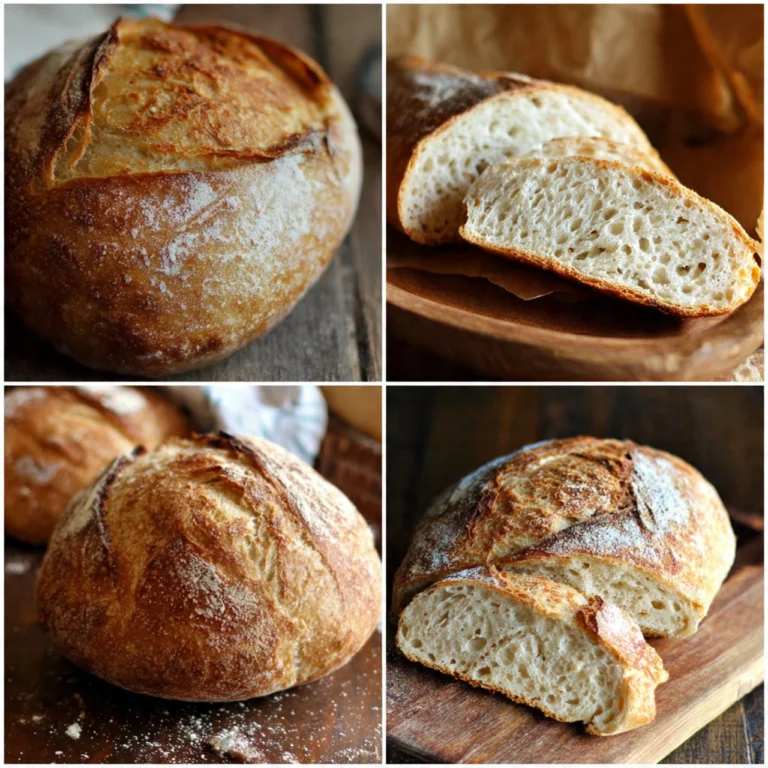
Creative Sourdough Inclusion Ideas for Better Bread
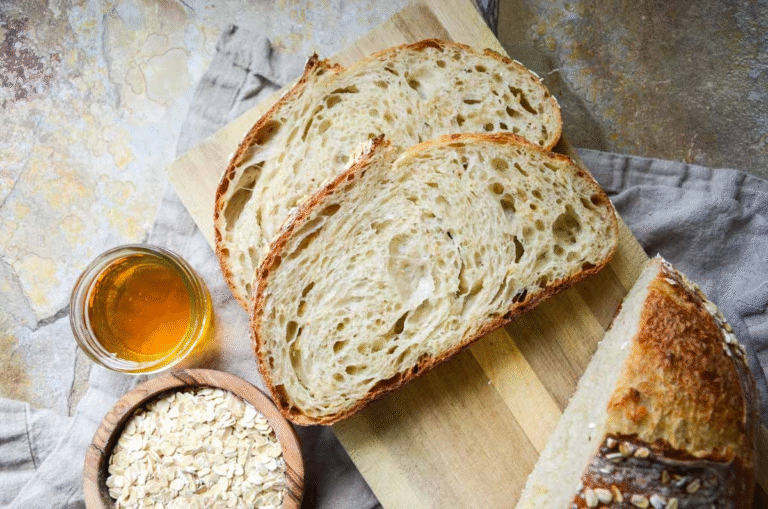
Baking sourdough is rewarding, but a plain loaf can start to feel repetitive. That’s where sourdough inclusion comes in the art of folding creative mix-ins into your dough to unlock exciting new flavors and textures. From dried fruits and toasted nuts to cheese, herbs, and even chocolate, the possibilities are almost endless.
In this article, you’ll discover some of the best sourdough inclusion ideas to take your bread from simple to extraordinary. Whether you’re a beginner or a seasoned baker, these creative add-ins will inspire your next bake and keep your loaves anything but boring.
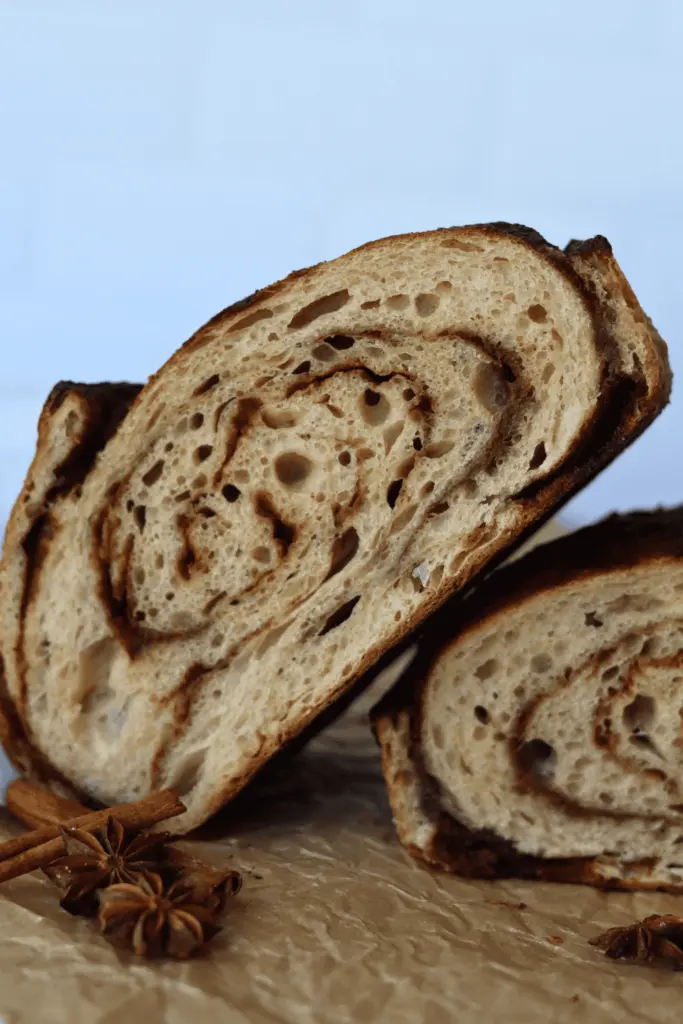
In this article, we’ll dive into what sourdough inclusions are, the different types you can experiment with, when to add them for the best results, and tips for perfecting your sourdough with these delicious additions.
Pin For Later!
What Makes Sourdough Recipes Great?
Before diving into inclusions specifically, it helps to understand why sourdough is such a rewarding bread to work with in the first place. Unlike commercial yeast breads, sourdough relies on a live culture — a sourdough starter recipe — to leaven the dough naturally. That one simple difference changes everything about the final product.
Natural Flavor Development
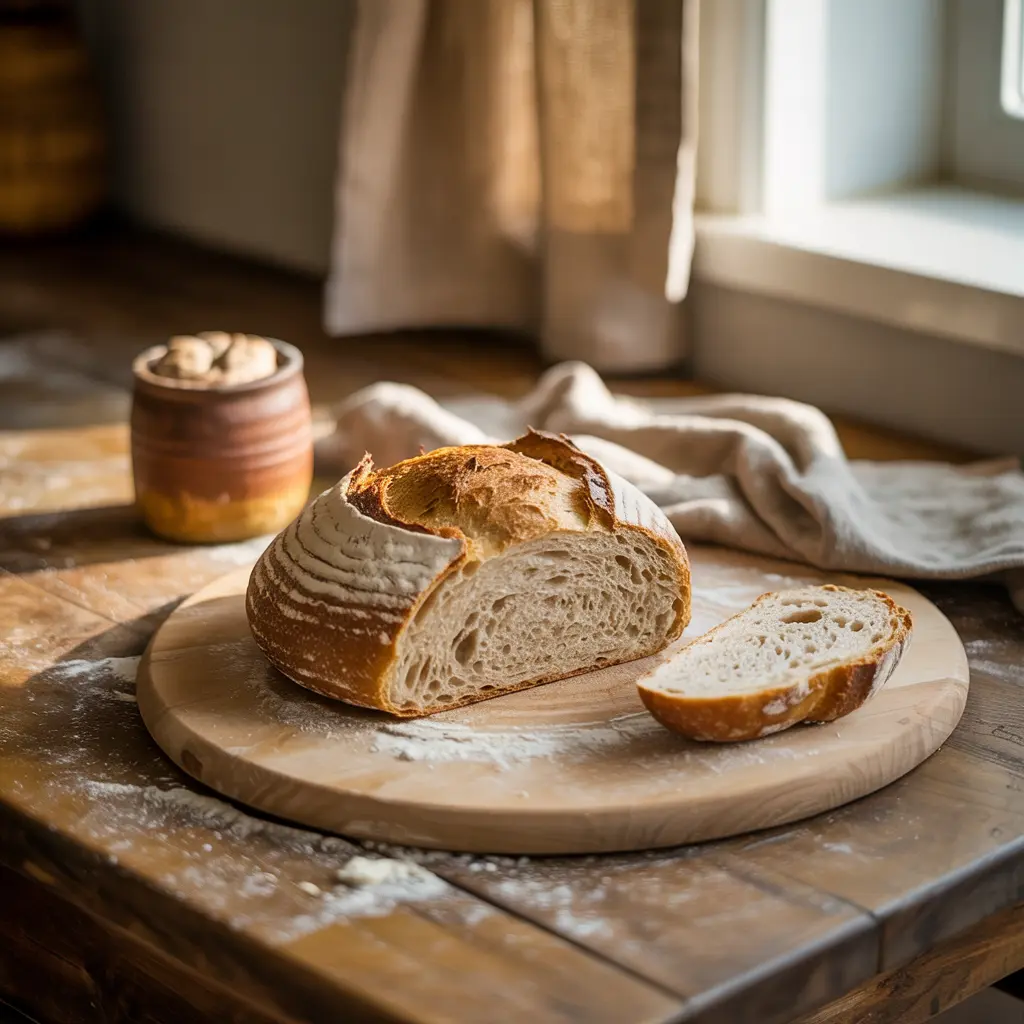
The magic behind sourdough lies in fermentation. When a sourdough bread starter recipe is used instead of instant yeast, wild yeast and lactic acid bacteria work together over an extended period to develop complex flavors that simply cannot be replicated with shortcuts. The result is a tangy, deeply flavored crumb with a crust that sings when tapped.
This slow fermentation also creates an ideal foundation for inclusions. Because the dough has structure, character, and its own bold flavor profile, added ingredients complement rather than compete. A swirl of rosemary, a handful of olives, or a ribbon of cinnamon sugar finds balance in sourdough in a way it might not in a plain white sandwich loaf.
Better Digestibility
One of the most talked-about benefits of sourdough is how much easier it tends to be on digestion compared to conventional breads. The long fermentation process breaks down gluten and reduces phytic acid, making the bread more digestible for many people. For those who have wondered “what is sourdough starter?” and why it matters beyond just flavor — this is a big part of the answer. The living organisms in the starter do more than make the dough rise; they actively transform the ingredients over time.
This means that even enriched sourdoughs — those loaded with seeds, dried fruit, or cheese — tend to sit lighter than expected. Sourdough is genuinely nourishing in a way few other breads can claim.
You Can Do So Much With Sourdough
The versatility of sourdough is another reason bakers keep coming back to it. From classic open-crumb boules to tight-crumb sandwich breads, crackers, pancakes, pizza dough, and even cakes and pastries, a single sourdough starter recipe can fuel an enormous range of baking projects.
Basic Ingredients
At its core, sourdough dough is made from four ingredients: flour, water, salt, and starter. That simplicity is part of the appeal. A well-maintained sourdough starter kit includes the culture itself plus feeding supplies, and many beginners wonder “where do you buy sourdough starter” when they first get started. The answer: local bakeries, online shops, and community groups are all good options. Starter can also be made from scratch, though it takes about a week to develop.
Once the basics are covered, it is time to talk about taking things up a notch — and that is exactly where inclusions come in.
What Are Sourdough Inclusions?
Simply put, sourdough inclusions are any additional ingredients folded, mixed, or pressed into sourdough bread dough to change or enhance the flavor, texture, color, or appearance of the finished loaf. They are the creative baker’s secret weapon.
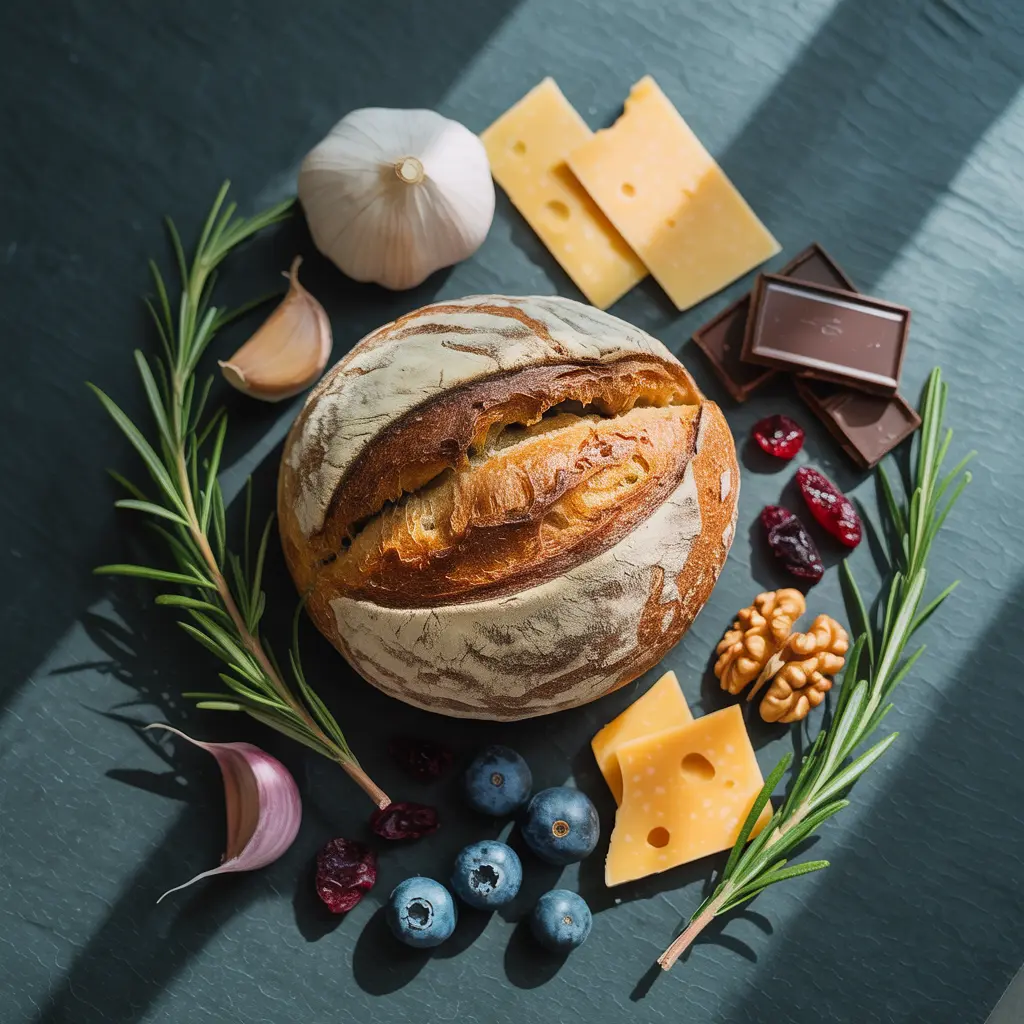
Think of inclusions as the difference between a reliable everyday loaf and a showstopper worth photographing. They can be savory or sweet, subtle or bold, classic or wildly experimental. The best sourdough starter kit in the world still produces a plain loaf without them — it is the inclusions that turn bread-baking into an art form.
Other savory favorites include:
- Sun-dried tomatoes and basil
- Caramelized onion and thyme
- Black olives and feta
- Roasted garlic and Parmesan
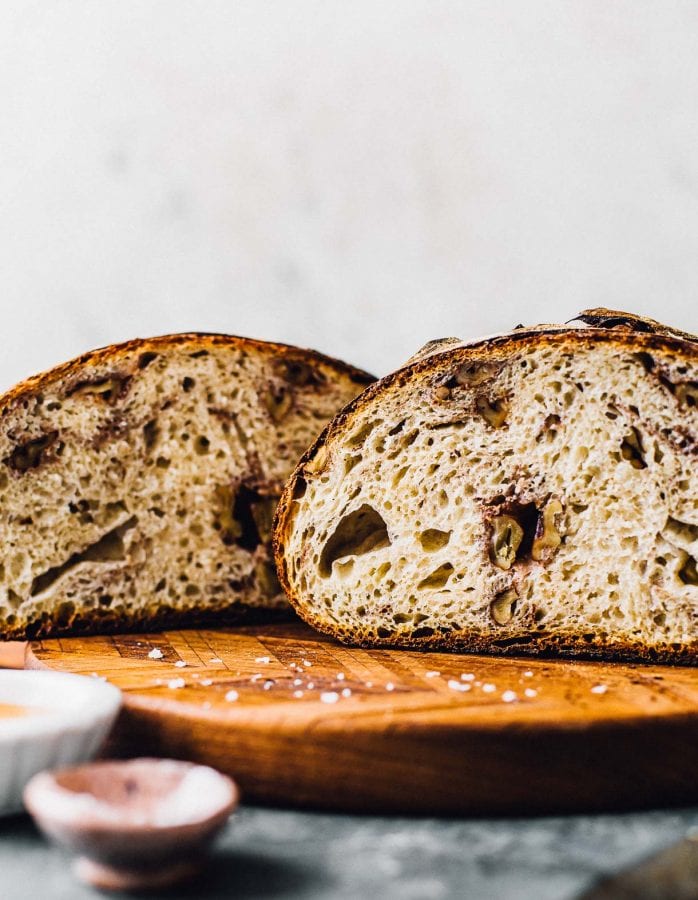
- Walnuts and blue cheese
- Pepperoni and mozzarella
- Spinach and ricotta
- Everything bagel seasoning (pressed into the crust)
Sweet mix-ins could include:
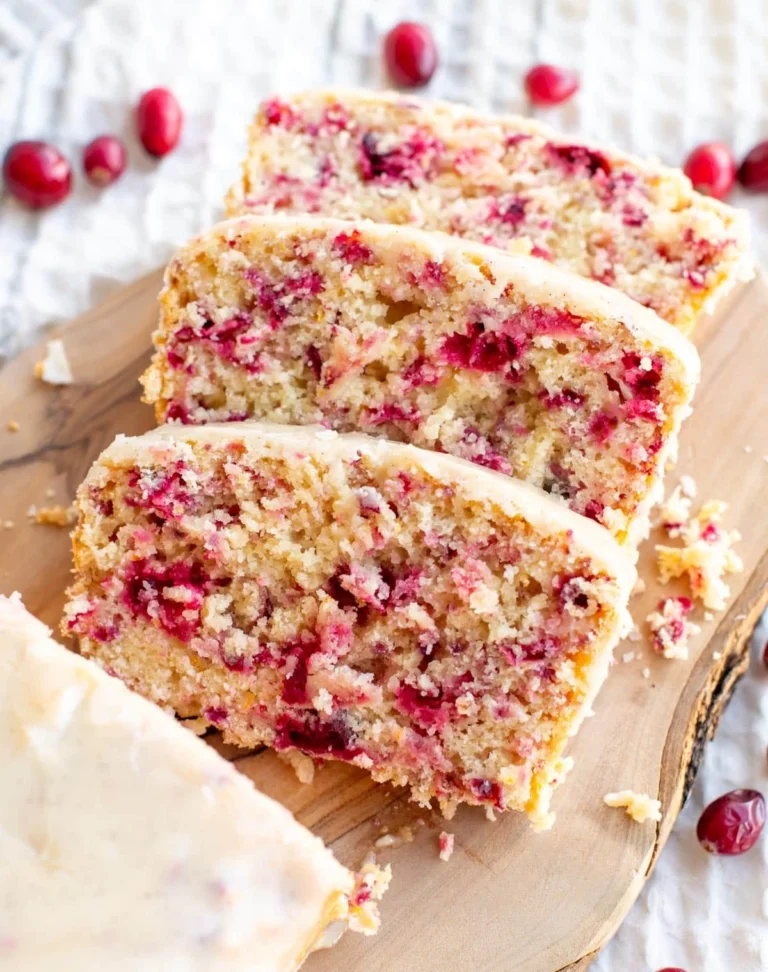
- Dried cranberries and orange zest
- Cinnamon sugar swirled through the dough
- Chocolate chips or dark chocolate chunks
- Dried figs and walnuts
- Lemon zest and poppy seeds
- Blueberries (fresh or dried) and vanilla
- Toasted coconut and lime
- Espresso powder and dark cocoa
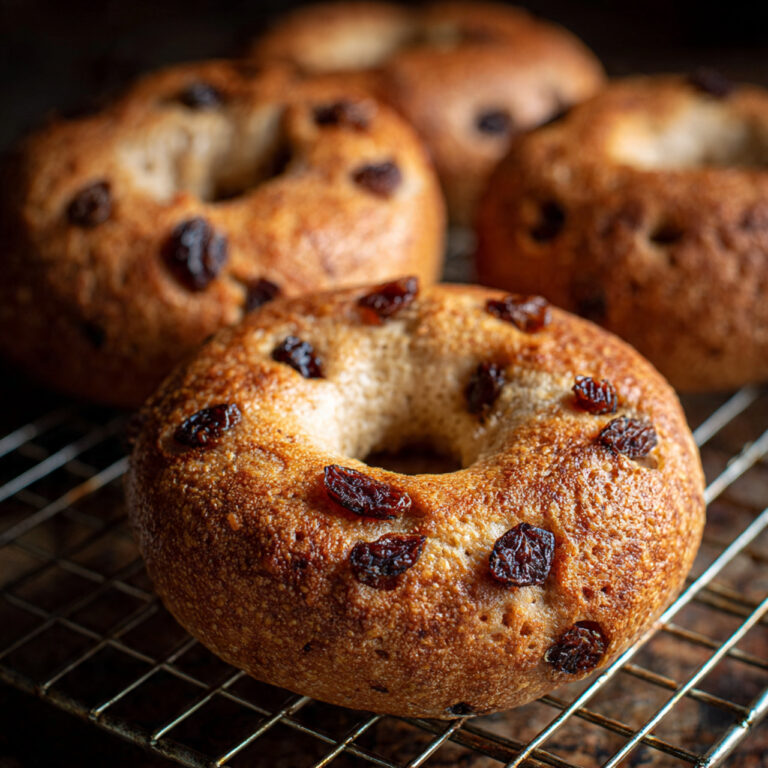
- Raisins and cardamom
Sweet sourdough breads pair beautifully with morning coffee and make a lovely gift. They also work wonderfully as a base for a dessert spread.
When to Add Sourdough Inclusions
Timing is one of the most important aspects of working with inclusions. Adding ingredients at the wrong stage can lead to uneven distribution, a broken gluten structure, or inclusions that sink to the bottom of the loaf. Most experienced bakers agree that inclusions should not be added at the very beginning of the mix — but exactly when depends on the technique being used.
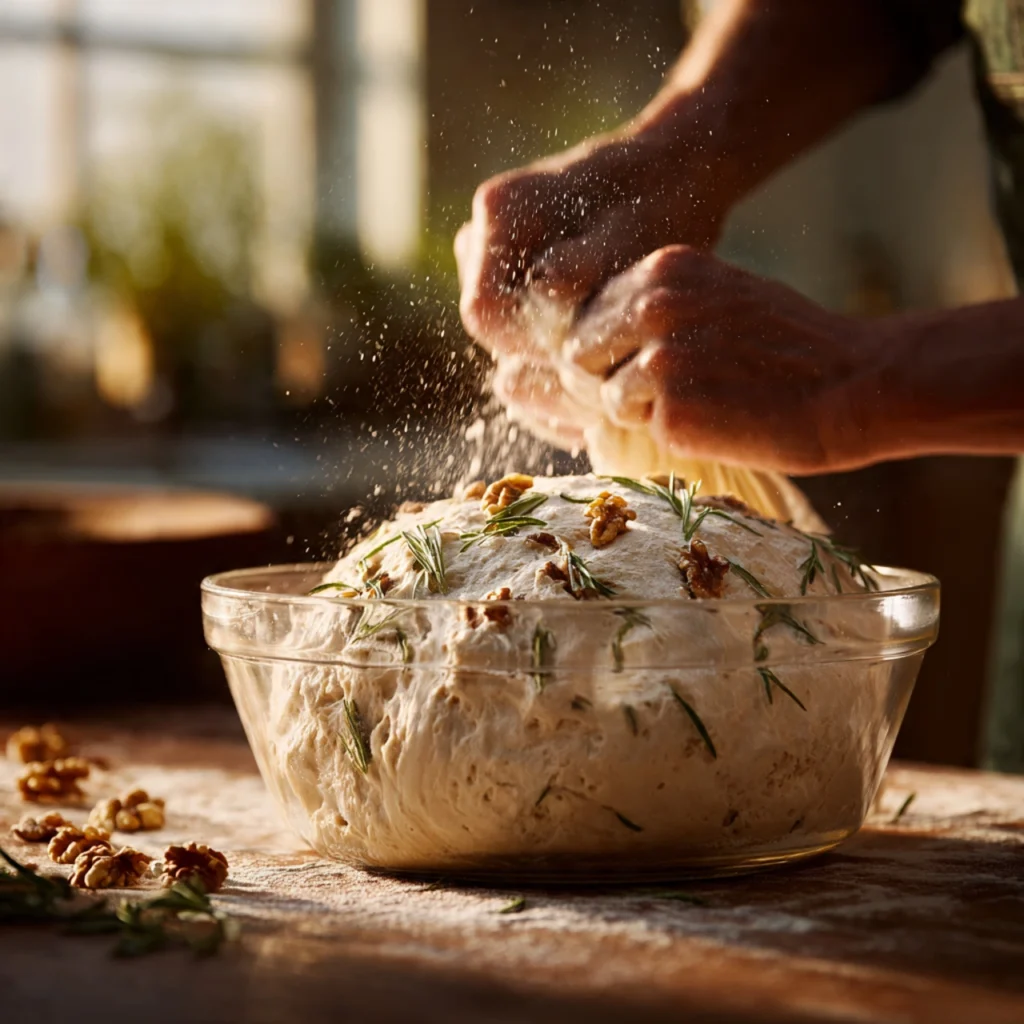
There are two primary methods for incorporating inclusions into sourdough dough, and both happen during the bulk fermentation phase after the initial mix.
Stretch and Fold
The stretch and fold method is the most beginner-friendly way to work inclusions into sourdough. After completing one or two rounds of stretch and folds to build initial dough strength, the inclusions are spread across the dough and then incorporated through additional folds. The idea is to distribute them throughout the dough without degassing it or tearing the gluten strands.
To do this, the dough is turned out onto a lightly wet surface, flattened gently, and the inclusions are scattered across it. The dough is then folded over itself several times — top to bottom, side to side — until the mix-ins appear evenly distributed. This usually takes two or three folds, with a short rest in between.
This technique works beautifully for hardy inclusions like nuts, seeds, dried fruit, cheese, and olives. Delicate items like fresh herbs or chocolate chips may need a gentler touch, but they can still be incorporated this way with care.
The
Lamination
Lamination is a slightly more advanced technique that produces a beautiful, even distribution of inclusions — especially for fillings like pesto, dried fruit, seeds, or anything flat. It is borrowed from pastry-making and involves stretching the dough out into a very thin, wide sheet before adding the inclusions.
During lamination, the dough is placed on a lightly wet work surface and stretched outward from the center as gently as possible until it forms a nearly transparent sheet (like strudel dough). The inclusions are then scattered or spread evenly across the entire surface, and the dough is folded back over itself — first in thirds like a letter, then folded again — before being returned to the container for the rest of bulk fermentation.
This method is ideal for spreads, pastes, and evenly sized inclusions. It creates a gorgeous striped or swirled interior when the bread is sliced. It is particularly effective for things like cinnamon sugar, nut spreads, or herb oils.
Troubleshooting for Inclusions
Working with inclusions is incredibly rewarding, but it does come with a learning curve. Here are the most common challenges bakers encounter and how to address them.
Moisture
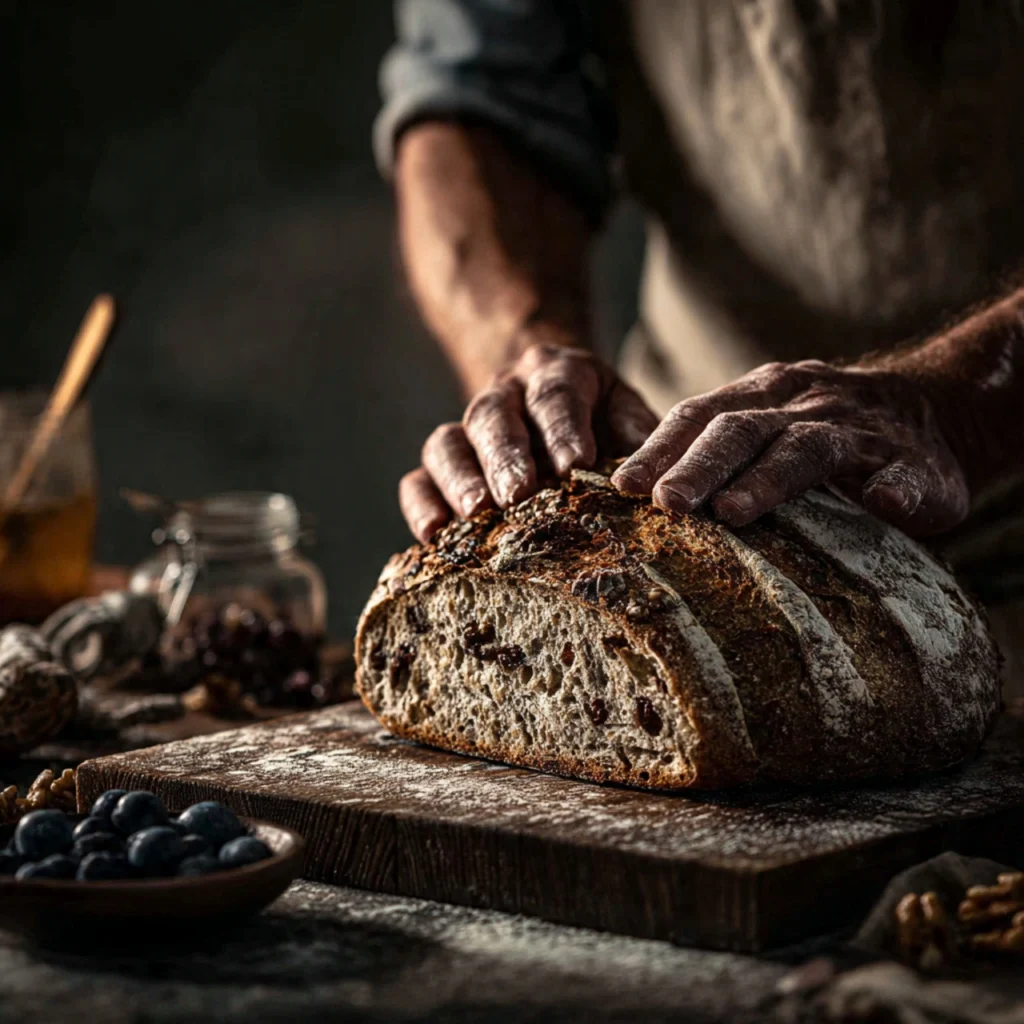
Moisture is one of the trickiest variables when adding inclusions. Fresh fruits, vegetables, and certain cheeses introduce extra water into the dough, which can significantly change its hydration level. This makes the dough stickier, harder to shape, and potentially prone to spreading flat rather than holding its form in the oven.
The best approach is to pat wet ingredients dry before adding them. For things like fresh berries, roasted vegetables, or marinated olives, draining and blotting with a paper towel before use makes a real difference. Alternatively, the base dough hydration can be reduced slightly (by about 5–10%) when planning to use wet inclusions.
Dry inclusions like nuts, seeds, and most dried fruits do not cause moisture issues — though very dry ingredients like raw oats or flaxseeds can actually absorb moisture from the dough if added in large quantities, which is also worth keeping in mind.
Slow Down Bulk Fermentation
Many bakers are surprised to discover that certain inclusions — particularly those high in sugar, fat, or antimicrobial compounds — can slow down bulk fermentation considerably. Ingredients like honey, cinnamon, garlic, and olive oil all interact with the starter in ways that can reduce fermentation activity.
Cinnamon, in particular, has natural antimicrobial properties that inhibit yeast activity. Large amounts of sugar pull water away from the yeast through osmosis, slowing their metabolism. Garlic has antimicrobial effects as well.
The fix is straightforward: allow more time for bulk fermentation when using these ingredients, and use a slightly warm spot to encourage the starter culture to stay active. A well-fed, lively starter from a good sourdough starter recipe will handle most of these challenges better than a sluggish one.
For enriched doughs with lots of butter, sugar, or dairy — such as the
Too Many Inclusions
It is tempting to load sourdough dough with as many inclusions as possible — and the result can be spectacular. But there is a tipping point. Too many add-ins, especially heavy ones, can weigh down the dough, interrupt gluten network formation, and prevent proper oven spring. The loaf ends up dense, gummy, or misshapen.
A general guideline is to keep inclusions to no more than 20–30% of the total flour weight. So if a recipe calls for 500g of flour, the inclusions should total no more than 100–150g. This keeps the dough workable and gives the gluten structure a fighting chance.
Shaping also becomes more challenging with heavy inclusion loads. If the dough tears or refuses to hold tension during shaping, reducing the quantity next time usually helps. Pre-shaping and resting the dough before final shaping can also give it a chance to relax and become more cooperative.
5 Sourdough Recipes You Have to Try with Awesome Inclusions
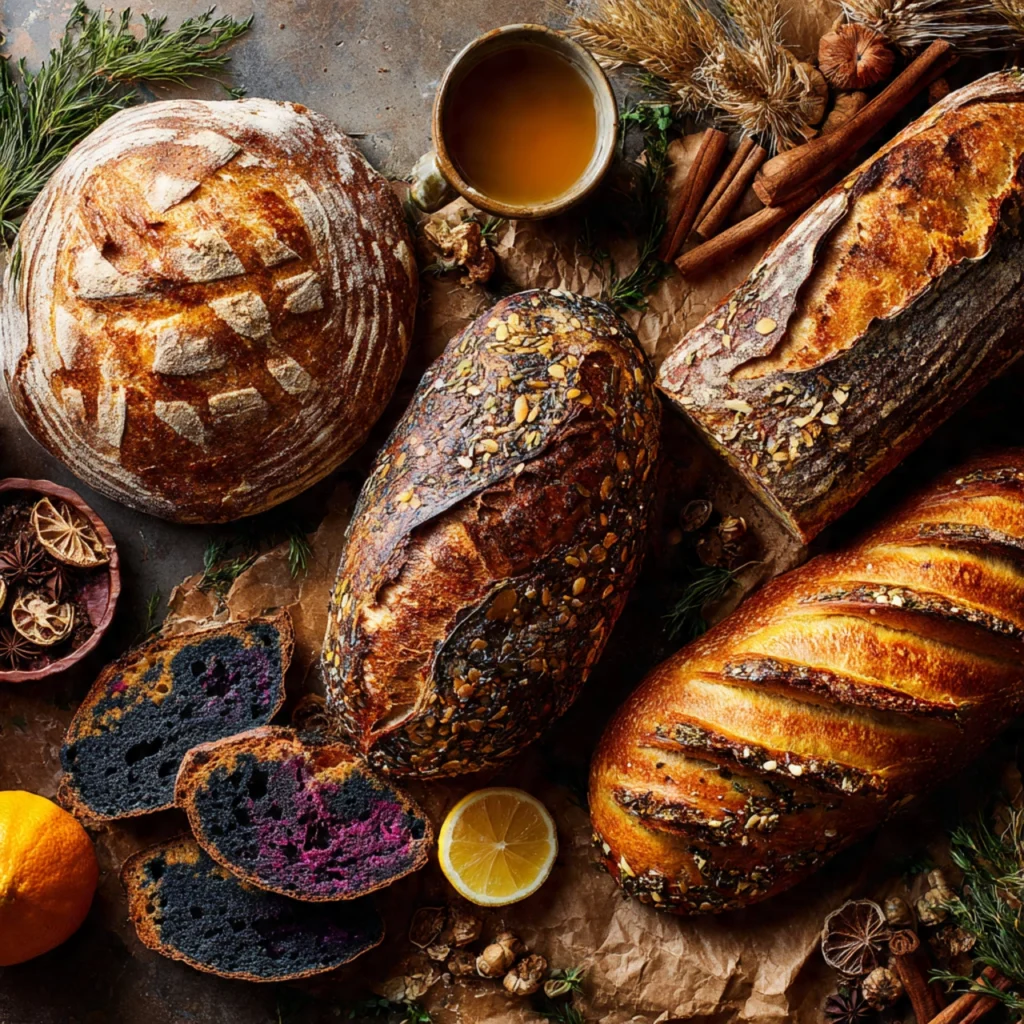
Now for the fun part. Here are five outstanding sourdough recipes that showcase just how creative and delicious inclusion-based baking can get. Whether someone is into bold savory flavors or dreamy sweet combinations, there is something here to inspire every baker.
Recipe #1: Garlic & Rosemary Sourdough Bread
Few flavor combinations are as timelessly satisfying as garlic and rosemary. Together, they fill a kitchen with an aroma that is almost impossible to resist. This loaf is rustic, hearty, and deeply savory — perfect alongside a bowl of soup, a charcuterie board, or just eaten warm with a generous smear of good butter.
The key to this recipe is roasting the garlic first rather than using it raw. Raw garlic can inhibit fermentation and creates a sharp, sometimes overwhelming flavor in the finished bread. Roasted garlic, by contrast, is sweet, mellow, and absolutely gorgeous when folded through a sourdough dough. Fresh rosemary adds a piney, aromatic note that plays beautifully against the tanginess of the sourdough base.
Ingredients:
- 500g bread flour
- 375g water (75% hydration)
- 100g active sourdough starter (from a reliable sourdough bread starter recipe)
- 10g salt
- 1 whole head of garlic, roasted
- 2 tbsp fresh rosemary, roughly chopped
- 1 tbsp olive oil
Method overview:
- Prepare the dough using an autolyse, then add starter, salt, and olive oil.
- Allow two rounds of stretch and folds before laminating in the roasted garlic cloves and fresh rosemary during the third set.
- Bulk ferment for 8–10 hours at room temperature, or refrigerate overnight for a cold retard.
- Shape into a boule or batard, proof in a banneton, and bake in a Dutch oven at 475°F (245°C): 20 minutes covered, then 20–25 minutes uncovered until deep golden brown.
Tip: Score with a wheat stalk or simple arc pattern and press a few fresh rosemary sprigs on top before baking for a beautiful presentation.
Recipe #2: Chocolate Espresso Sourdough Bread
This one might sound unusual to the uninitiated, but the chocolate espresso sourdough loaf has won over countless skeptical bakers. It is not quite a dessert bread and not quite a savory loaf — it lives in a delicious, sophisticated middle ground that is hard to stop slicing.
Dark cocoa powder is mixed directly into the dough, giving the crumb a deep mahogany color. Espresso powder adds a bitter, roasted note that amplifies the chocolate without making it sweet. Folds of dark chocolate chips throughout create pockets of richness in every slice. This bread pairs beautifully with cream cheese, salted butter, or even a thin layer of raspberry jam for something more indulgent.
Ingredients:
- 480g bread flour
- 20g dark cocoa powder
- 370g water
- 100g active starter
- 10g salt
- 2 tsp instant espresso powder
- 100g dark chocolate chips (60% cacao or higher)
Method overview:
- Combine flour, cocoa, and espresso powder before adding water and starter.
- Mix and autolyse, then add salt.
- Fold in the chocolate chips during the second set of stretch and folds.
- Bulk ferment at room temperature for 6–8 hours, then cold proof overnight.
- Bake as a boule in a Dutch oven at 475°F: 20 minutes covered, 20 minutes uncovered.
Tip: Dust the top of the loaf with cocoa powder before scoring for a dramatic, bakery-worthy finish.
Recipe #3: Blueberry & Lemon Sourdough Bread
Bright, fruity, and bursting with sunshine, this blueberry and lemon sourdough is one of the most beloved sweet inclusion breads going. It is a perfect summer bake — though honestly, it is worth making any time of year when a loaf that doubles as breakfast and dessert sounds appealing.
The lemon zest is added directly to the dough along with a touch of honey, while the blueberries are incorporated during lamination to get an even, beautiful distribution. Fresh blueberries are ideal in season, but frozen (thawed and well-drained) work just as well. The berries burst during baking and create gorgeous purple-blue pockets throughout the crumb.
Ingredients:
- 500g bread flour
- 350g water
- 100g active starter
- 9g salt
- Zest of 2 lemons
- 2 tbsp honey
- 150g fresh or frozen blueberries (thawed and patted dry)
Method overview:
- Add lemon zest and honey to the autolyse mix.
- Add starter and salt; complete two rounds of stretch and folds.
- Laminate in the blueberries during the third set — be gentle to avoid crushing too many berries.
- Bulk ferment for 8–10 hours. Cold retard overnight for best flavor.
- Shape, proof, and bake at 450°F: 20 minutes covered, 20–25 uncovered.
Tip: A little powdered sugar dusted on top after slicing and a smear of lemon-scented cream cheese makes this loaf feel like a genuine brunch centerpiece.
Recipe#4: Masala Chai Spiced Tea Bread
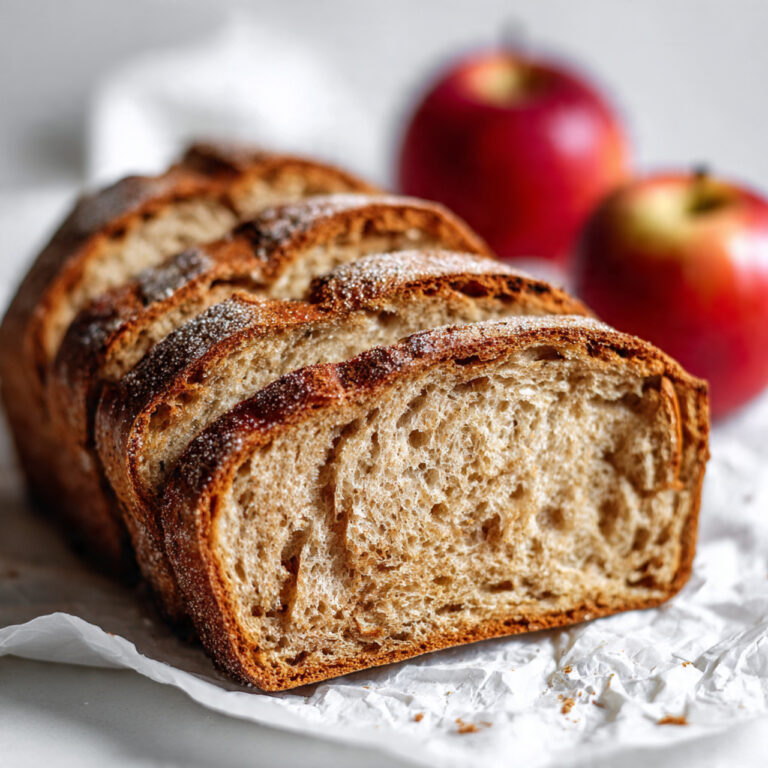
For a loaf that is warming, aromatic, and unlike anything most guests will have tried before, the masala chai spiced sourdough bread is absolutely the one to reach for. Inspired by the beloved spiced tea drink popular across South Asia, this bread layers cardamom, cinnamon, ginger, cloves, and black pepper into the dough for a flavor profile that is complex, comforting, and deeply satisfying.
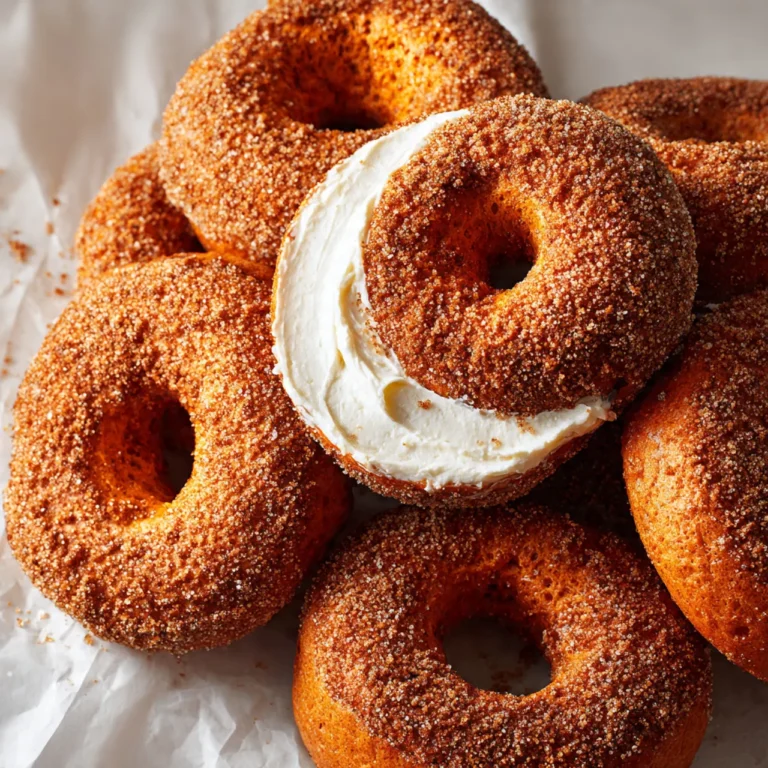
This bread is wonderful toasted with butter and a drizzle of honey, or served alongside chai tea itself for a full spiced experience. It is also a brilliant choice for autumnal baking. For the full recipe and process — including guidance on how to steep actual black tea into the dough liquid for maximum chai flavor — the
Inclusions and spices used:
- Ground cardamom — 1.5 tsp
- Ground cinnamon — 1 tsp (note: reduces fermentation activity; allow extra bulk time)
- Ground ginger — 1 tsp
- Ground cloves — 1/4 tsp
- Black pepper — 1/4 tsp
- Brewed black tea (cooled) — used in place of plain water for the dough liquid
- Optional: brown sugar swirl for added sweetness
Method overview:
- Brew a strong cup of black tea with all the whole spices, then strain and cool completely.
- Use the cooled spiced tea as the dough liquid; combine with flour and starter.
- Add ground spices along with the salt during the first fold.
- Bulk ferment for 10–12 hours (the cinnamon will slow things down; be patient).
- Shape into a batard or tin loaf, cold proof, and bake at 450°F with steam for the first 15 minutes.
Tip: If using the brown sugar swirl option, laminate the sugar in at the final fold before shaping for the most beautiful interior.
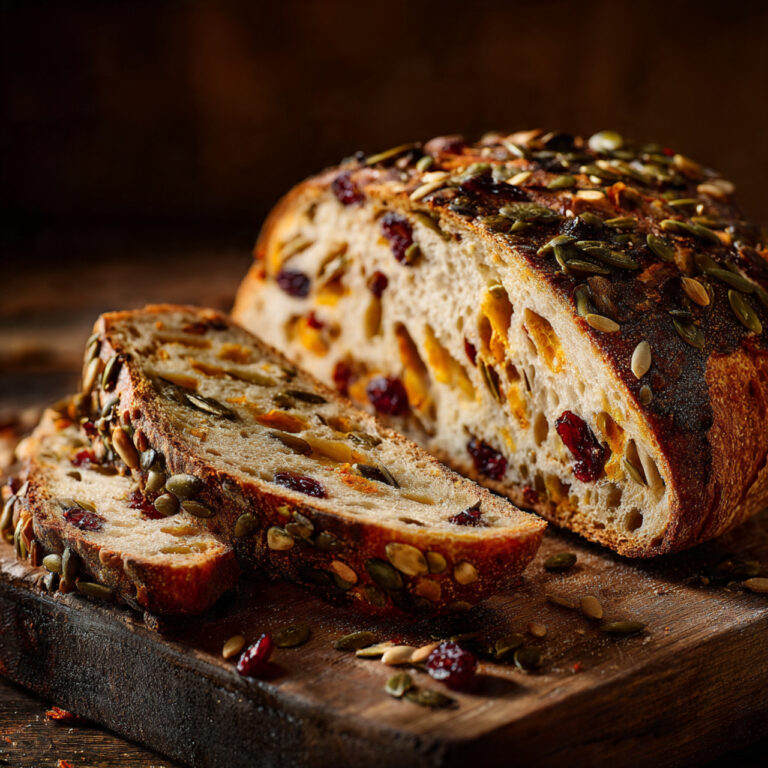
Recipe #5: Pumpkin & Cranberry Sourdough Bread
Autumn flavors do not get more iconic than pumpkin and cranberry, and this sourdough loaf brings them together in the most wonderful way. Pumpkin puree is worked directly into the dough, adding moisture, color, and a subtle sweetness that transforms the entire crumb. Dried cranberries are folded in later for bursts of tartness throughout.
The result is a gorgeous, amber-hued loaf with a soft interior and a crisp crust that makes an incredible impression at any fall gathering or holiday table. For those who have already explored the
Ingredients:
- 450g bread flour
- 50g whole wheat flour
- 200g pumpkin puree (canned or fresh-roasted)
- 200g water
- 100g active starter
- 10g salt
- 2 tsp pumpkin spice blend (cinnamon, nutmeg, ginger, allspice)
- 100g dried cranberries
- 2 tbsp maple syrup
Method overview:
- Mix pumpkin puree, water, maple syrup, and starter together before combining with flour.
- Add salt and spices during the first stretch and fold.
- Laminate in the dried cranberries during the second set of folds.
- Bulk ferment for 9–11 hours — pumpkin adds moisture and sugar, which affects timing. Watch the dough rather than the clock.
- Shape into a round boule, refrigerate overnight, and bake in a Dutch oven at 460°F: 20 minutes covered, 25 minutes uncovered for a deep, caramelized crust.
Tip: For another incredible way to use pumpkin and sourdough together, the
Final Thought
Sourdough inclusions are one of the most genuinely exciting aspects of bread baking — they take a craft that is already deeply satisfying and open it up into a world of creative possibility. Whether someone is learning how to make a sourdough starter for the very first time or has been baking for years and wants to push their loaves further, inclusions are always worth exploring.
The key takeaways? Add inclusions during bulk fermentation — not at the mix. Use stretch and folds for hearty additions and lamination for finer, more evenly distributed fillings. Watch out for moisture, pay attention to fermentation speed when using sugary or antimicrobial ingredients, and do not overload the dough.
Most importantly: have fun with it. Sourdough is one of those baking traditions where experimentation is encouraged, and the community of bakers around it is endlessly generous with knowledge and ideas. Start with the recipes above, then tweak them, combine flavors, and build something entirely personal.
Great bread tells a story. Sourdough inclusions make sure that story is a delicious one.
Frequently Asked Questions
What are sourdough inclusions?
Sourdough inclusions are ingredients added to sourdough dough to enhance flavor, texture, and appearance. Common inclusions include fruits, nuts, seeds, herbs, cheese, and vegetables.
When is the best time to add inclusions to sourdough?
Inclusions are best added during the stretch-and-fold stage of bulk fermentation. This helps distribute them evenly without disrupting gluten development. Some dry ingredients can also be mixed in earlier, while delicate items may be added during shaping.
How much inclusion should I add to sourdough bread?
A good rule of thumb is 10–30% of the total flour weight. Lighter inclusions like herbs use less, while heavier ingredients like nuts or cheese stay closer to the lower end to avoid weighing down the dough.
Should I soak dried fruit before adding it to sourdough?
Yes, soaking dried fruit helps prevent it from absorbing moisture from the dough. After soaking, drain and pat the fruit dry before adding it to your sourdough.
Can I freeze sourdough bread with inclusions?
Yes, sourdough with inclusions freezes well. Slice the loaf before freezing for easy use later, and thaw at room temperature or toast directly from frozen.