The Best Sourdough Vanilla Cake Recipe
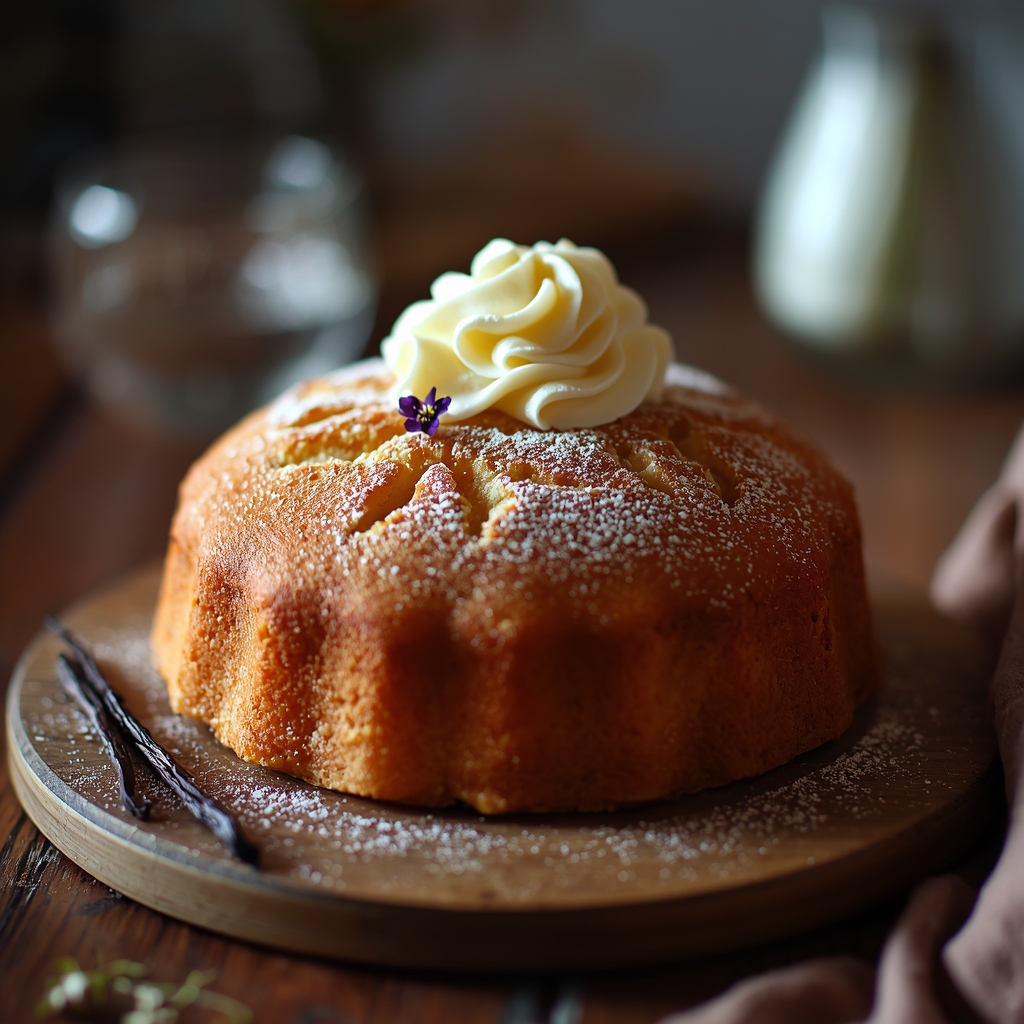
This Sourdough Vanilla Cake is soft, buttery, and just the right amount of sweet, making it the perfect treat for any occasion. With its soft bite, this cake elevates the classic vanilla flavor, offering a unique twist that your guests will love. In this article, you’ll learn how to whip up this fast and easy batter, ideal for both last minute cravings and make ahead plans, plus tips on long fermenting for even more flavor.
Ingredients & Substitutions
* To find precise measurements and the full list of ingredients, scroll to the bottom of this post to find the recipe card*

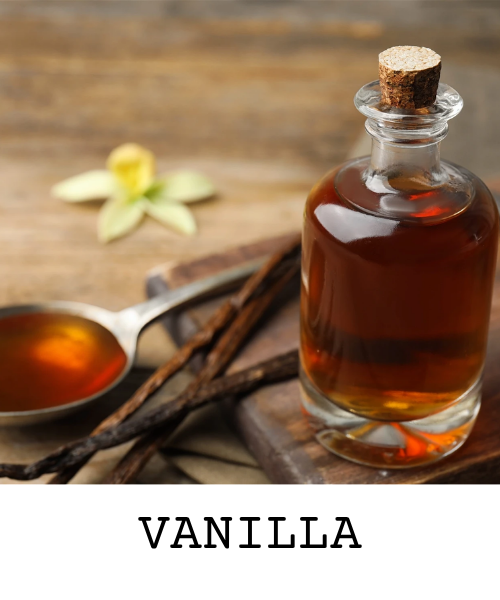
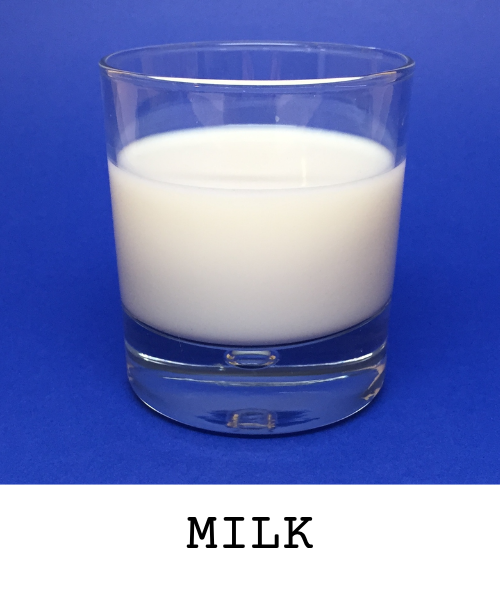
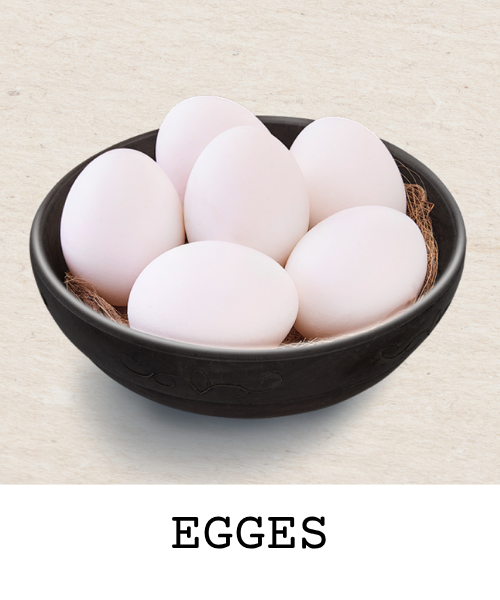
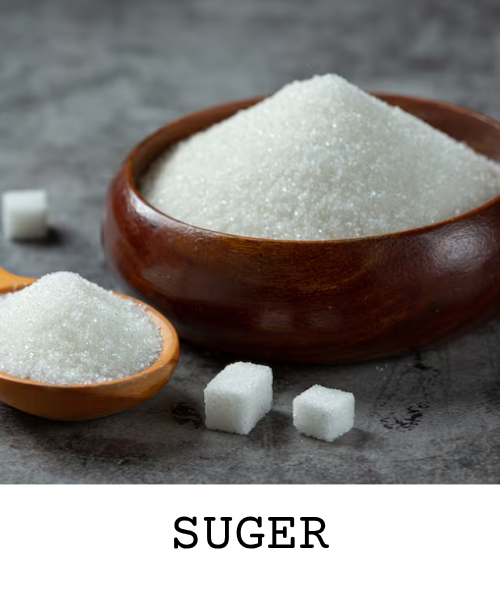
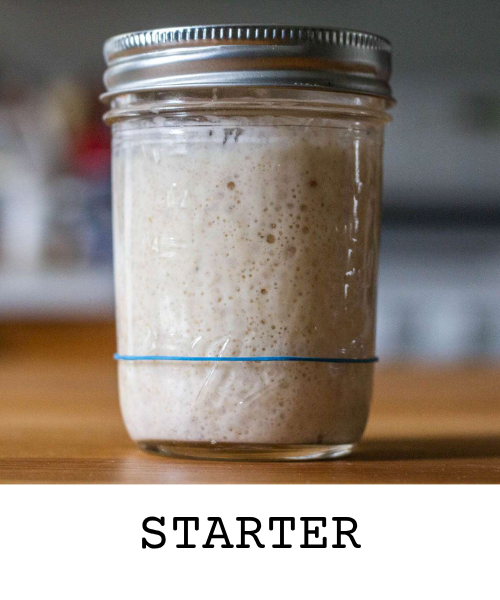
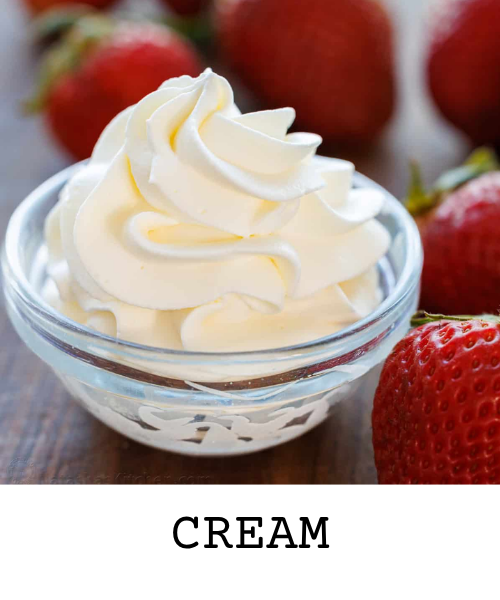
Sourdough Vanilla Cake Ingredients:
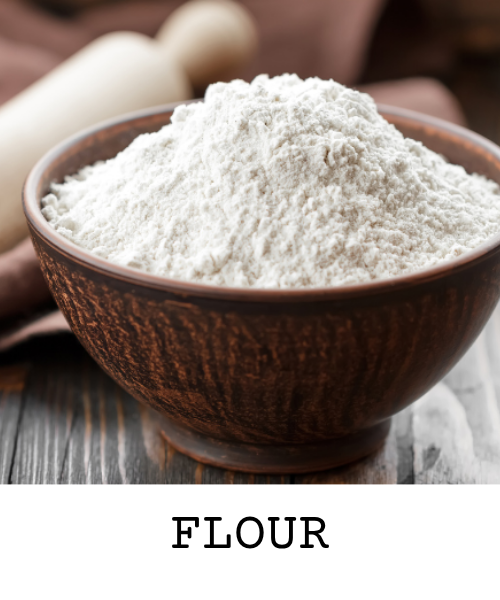
- Cake Flour: For the lightest and most tender sourdough discard vanilla cake, I highly recommend using cake flour. This flour is lower in gluten content, which creates a lighter and fluffier bake. However, you can substitute with all-purpose flour, but that may lead to a slightly denser cake.
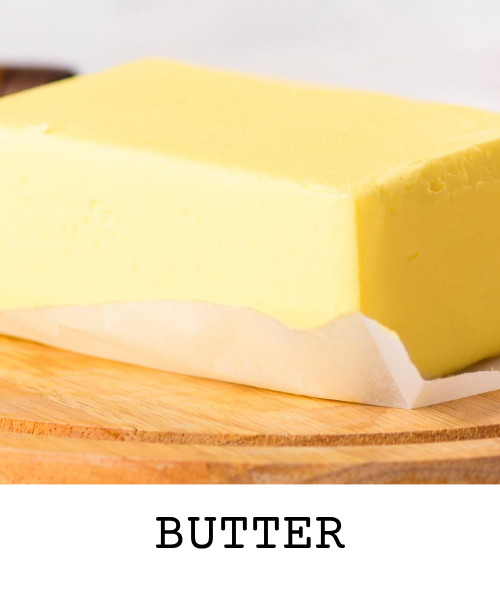
- Unsalted butter: For the best cake texture, the temperature of your butter is important. Before creaming, the butter should be soft, so that a fingerprint can easily be left when pressed into the butter. If the butter is too hard or too soft, this will affect the texture of the cake. Aim for 67 degrees F. If you are using salted butter, subtract 1/4 teaspoon of salt from the recipe.
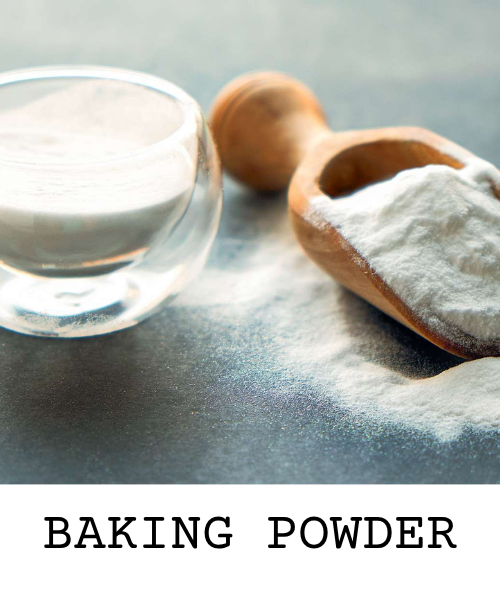
- Baking powder: Make sure your baking powder hasn’t expired, otherwise, the cake won’t rise properly. Refresh after 6 months of opening.
- Eggs: Bring eggs to room temperature quickly by placing them in a bowl of hot water for at least 5 minutes.
- Milk: I used whole milk for this recipe, however, you can substitute it with non-dairy options like almond milk. Bring the milk to room temperature quickly by heating it up for 15-20 seconds in a microwave-safe bowl.
- Unfed Sourdough Starter: I prefer using sourdough discard that is no older than 1-2 days for sweet recipes like this Sourdough Vanilla Cake. You can use active sourdough starter instead, just be sure to use the same amount in grams!
Vanilla Buttercream
- Unsalted butter: Again, in order for the buttercream to be smooth, it is important that the butter is at room temperature before mixing.
- Powdered sugar: Add the powdered sugar one cup at a time while mixing to prevent sugar from flying everywhere!
- Vanilla extract: For the best vanilla flavor, use pure vanilla extract instead of imitation.
How to Make Sourdough Vanilla Cake
Preheat the oven to 350 degrees F and line two 9-inch cake pans with butter and parchment paper.
This recipe is made quickly with sourdough discard. However, if you would like to long-ferment this cake batter, see directions for “long ferment” below.
Dry ingredients:
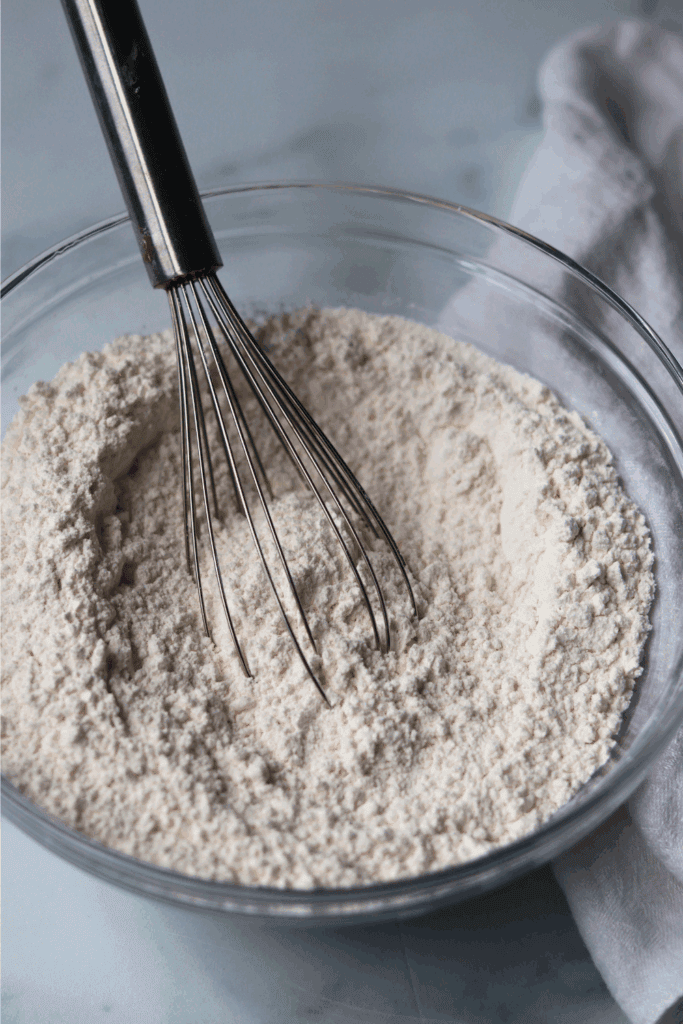
- In a medium mixing bowl, whisk together the flour, baking powder, and salt, and set aside.
Wet ingredients:
- In a separate bowl, whisk together the room-temperature milk, sourdough discard, oil, and vanilla extract until smooth. Set aside.

Baker’s Note
You can use an active sourdough starter instead of sourdough discard, just be sure to use the same amount in grams.
Combine
- In the bowl of a stand mixer with a paddle attachment, beat the sugar and soft room temperature butter at medium speed for about 4-5 minutes, or until white in color, light and fluffy.
- Next, add in the eggs, one at a time, beating at medium speed until combined and a pale yellow color.
- Alternate between the dry ingredients and wet ingredients. Mix on low speed.
- Stop mixing when there are just a few streaks of flour left and finish by hand with a rubber spatula. This will help you from over-mixing the batter, which can make your cake bake up dense.


Long Fermentation Tip
To long ferment, cover the just-mixed batter and place it into the fridge overnight. The next day, divide the batter evenly between two prepared cake pans and bake. You might need to add a few minutes to the bake time since the batter is chilled.
Bake

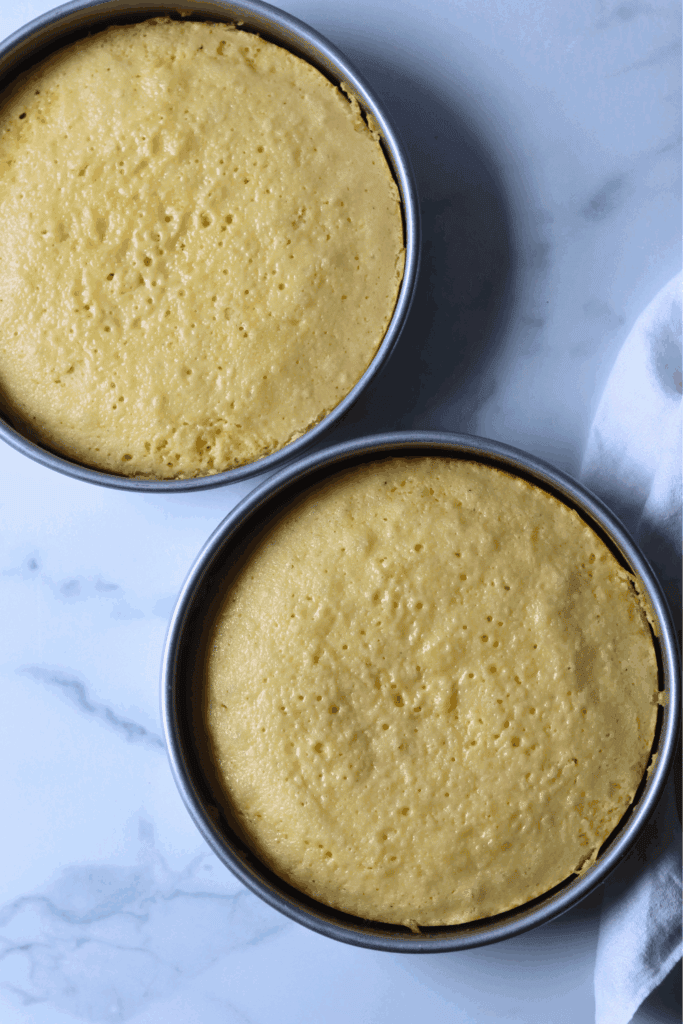
5. Divide the cake batter evenly into the prepared cake pans. Bake the Sourdough Vanilla Cake for 20-25 minutes. The cake is done when a toothpick comes out mostly clean with a few moist bites of cake.
6. Remove the cake from the oven and place it on a wire rack to cool completely.
HOW TO MAKE VANILLA BUTTERCREAM FROSTING
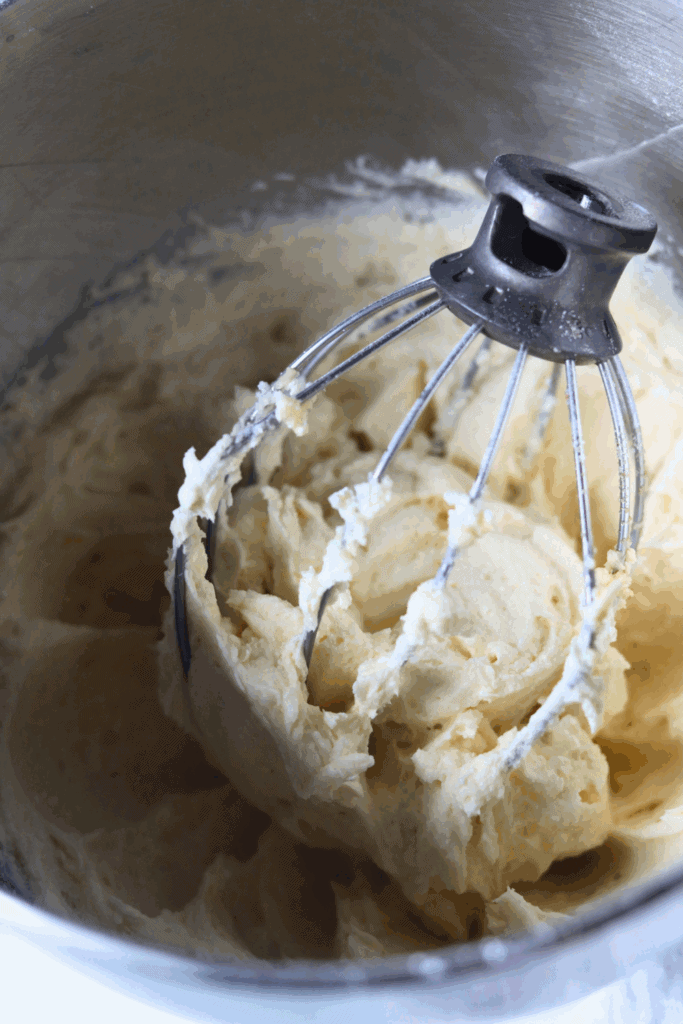
In a stand mixer with a whisk attachment, beat the room-temperature butter at medium speed for 2-3 minutes, or until light and fluffy.
Next, add the powdered sugar to the butter, one cup at a time, at medium speed.
Finally, add the vanilla extract, heavy cream, and a pinch of salt. Mix until combined.
How to Decorate
Simple Vanilla Buttercream Frosting Recipe
Start with a classic vanilla buttercream for this sourdough vanilla cake. Beat 1 cup (225g) softened unsalted butter until creamy, then add 4 cups (480g) powdered sugar gradually, 1 tablespoon pure vanilla extract, and 2-4 tablespoons heavy cream or milk until fluffy and spreadable. This yields enough to frost two 8-inch layers generously.
Layering and Crumb Coating
Place one cooled cake layer on a serving plate or turntable. Spread 1 cup frosting evenly over the top, then add the second layer. Apply a thin “crumb coat” of frosting over the entire cake to seal crumbs, chill for 15-20 minutes, then add the final thick layer of frosting with an offset spatula for smooth sides and a swirled top.
Easy Decoration Ideas
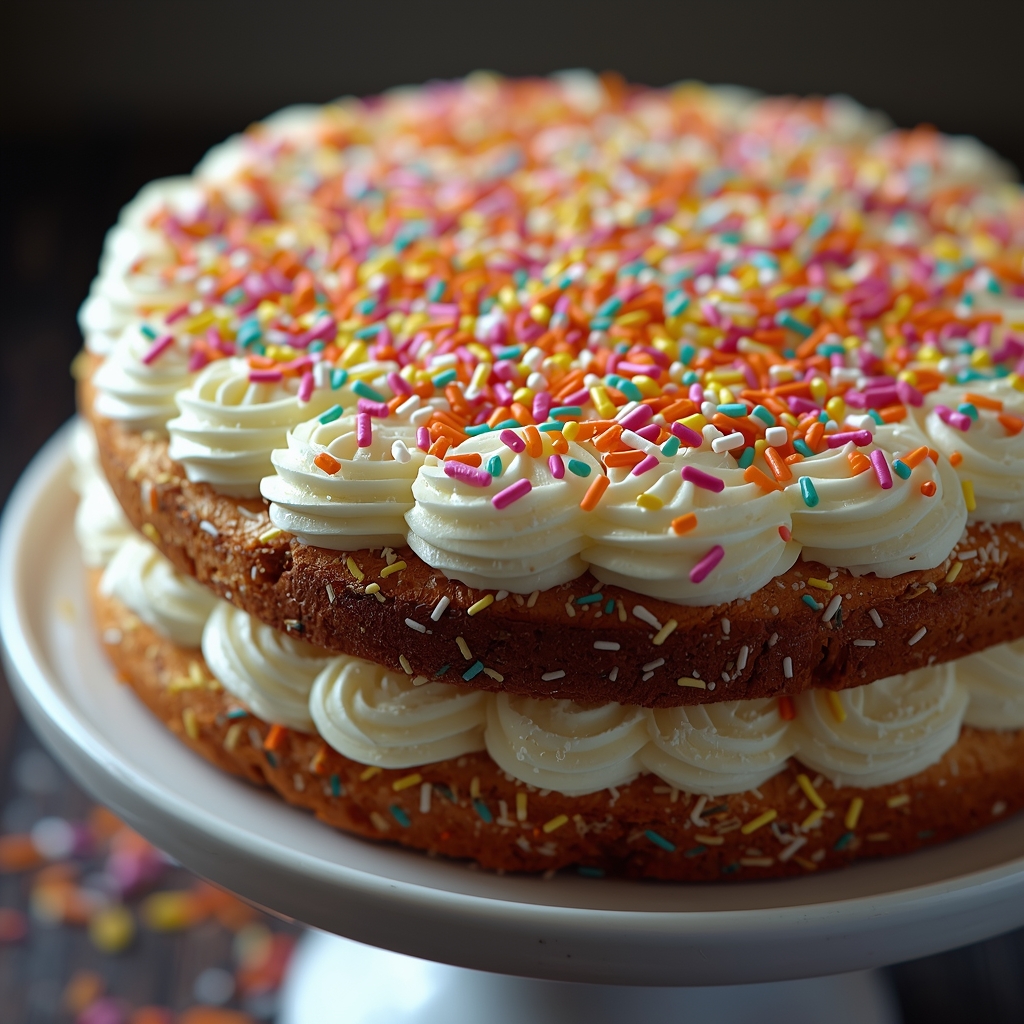
- Classic piped borders: Fill a piping bag with remaining frosting and a star tip (like Wilton 1M) to create rosettes around the top edge and bottom base.
- Fresh fruit accents: Top with sliced strawberries, blueberries, or peaches for a summery vibe that pairs with the cake’s subtle tang.
- Sprinkles or nuts: Press colorful sprinkles into the sides or sprinkle chopped pecans on top for texture and visual pop.
How to Store
Short-Term Storage
Store the frosted sourdough vanilla cake at room temperature in an airtight container for up to 2 days. The subtle tang from the sourdough discard helps it stay moist without drying out quickly, but avoid humid environments to prevent sogginess.
Refrigerator Storage
For longer storage up to 5 days, wrap individual slices or the whole cake tightly in plastic wrap, then place in an airtight container in the fridge. Let it come to room temperature for 30-60 minutes before serving to restore its fluffy texture and optimal flavor.
Freezing for Longer-Term
Freeze unfrosted cake layers wrapped in plastic wrap and foil for up to 3 months, or frost the cake first and freeze slices individually on a tray before bagging. Thaw overnight in the fridge and bring to room temp for best results perfect for prepping ahead for blog photo shoots or events.
Pro Tips for Freshness
- Slice with a serrated knife warmed in hot water for clean cuts that stay moist.
- Use cake keepers or domed containers to protect frosting from sticking.
For More Guidance:
Why You’ll Love This Recipe:
Texture:
The secret to why this Sourdough Vanilla Cake recipe stands out lies in its texture, enhanced by the unique qualities of sourdough discard. When I incorporate sourdough discard into my baked goods, like my Sourdough Lemon Cake or Sourdough Chocolate Guinness Cake, it magically softens the crumb. This results in a delightful softness that envelops your palate, creating a cake so moist that it feels almost heavenly. Each bite invites you to savor a plush experience, making it nearly impossible to resist reaching for just one more slice.
Flavor:
The flavor profile of this easy sourdough discard recipe is a delightful revelation for anyone who cherishes balance in their desserts. Just like my Sourdough Vanilla Cupcakes, the sweet and buttery base is transformed with a subtle tang from the sourdough, enhancing each bite without overshadowing the star ingredient vanilla. This gentle acidity not only enriches the taste but also introduces a layer of complexity that elevates the entire experience.
Easy:
Sourdough Vanilla Cake is the easiest and most delicious way to use up extra sourdough discard. The beauty lies in its simplicity: you can effortlessly measure, mix, and bake without any complicated techniques or hard to find exotic ingredients. This isn’t just any cake it’s a delightful confection that captures the essence of comfort with every bite. Thanks to the tangy notes from the sourdough, each slice offers a depth of flavor that elevates the classic vanilla experience to something truly memorable.
FAQs
Can I use active sourdough starter instead of discard?
Yes, active sourdough starter works perfectly and may add a slightly more pronounced tang. Use the same 1 cup (240g) amount at room temperature for consistent results in texture and rise.
What if I don’t have sourdough discard?
Substitute with ½ cup plain yogurt or buttermilk plus ½ cup milk to mimic the moisture and subtle acidity. This keeps the cake moist without altering the vanilla flavor profile significantly.
How do I know when the cake is fully baked?
Bake until a toothpick inserted in the center comes out clean or with a few moist crumbs, typically 25-30 minutes at 350°F (175°C). Avoid overbaking to maintain the tender crumb from the sourdough.
Can this recipe be made gluten-free?
Replace all-purpose flour with a 1:1 gluten-free baking blend like King Arthur’s Measure for Measure. Add ½ teaspoon xanthan gum if your blend lacks it, and expect a slightly denser but still delicious texture.
Why is my cake dense or gummy?
Overmixing after adding flour develops gluten, causing density—mix just until combined. Ensure sourdough discard is at room temperature and measure flour by spooning into the cup to avoid packing, which adds excess weight.
Warnings:
- Don’t eat raw batter. Raw eggs in the batter pose a salmonella risk, so taste-test only after baking or use pasteurized eggs if sampling uncooked dough.
- Check leavening freshness. Expired baking powder or soda (over 6 months open) prevents proper rise, leading to flat, dense cake—test by mixing with hot water for fizz or bubbles.
- Avoid overmixing batter. Excess mixing develops gluten for a tough, gummy texture; stir dry ingredients in gently just until no streaks remain.
- Use room-temperature ingredients. Cold butter, eggs, or discard causes poor emulsion and uneven texture—warm eggs in hot water for 5 minutes and soften butter to 67°F.
- Cool fully before frosting. Warm cake melts buttercream, causing slides or sogginess; chill crumb coat first for pro results.
The Best Sourdough Vanilla Cake Recipe
Equipment
- Two 9-Inch Cake Pans
- Stand Mixer
- Mixing Bowl
Ingredients
Sourdough Vanilla Cake
- 290 grams cake flour *see notes 2 cups + 1 teaspoon
- 9 grams baking powder 2 1/4 teaspoons
- 5 grams salt 3/4 teaspoon
- 240 grams milk room temperature 1 cup
- 120 grams sourdough discard room temperature 1/2 cup
- 113 grams unsalted butter room temperature 1/2 cup
- 350 grams sugar 1 3/4 cups
- 170 grams eggs room temperature about 3 large eggs
- 12 grams vanilla extract 1 Tablespoon
- 15 grams oil 1 Tablespoon
Vanilla Buttercream
- 226 grams unsalted butter room temperature 1 cup
- 455 grams confectioners’ sugar 3 1/2 cups
- 12 grams vanilla extract 1 Tablespoon
- 75 grams heavy cream 5 Tablespoons
- pinch of salt
Instructions
Sourdough Vanilla Cake
- Preheat the oven to 350 degrees F and line two 9-inch cake pans with butter and parchment paper.
DRY INGREDIENTS
- In a medium mixing bowl, whisk together the cake flour, baking powder, and salt. Set to the side.
- 290 grams cake flour *see notes,9 grams baking powder,5 grams salt
WET INGREDIENTS
- In a liquid measuring cup, whisk together the room-temperature milk and sourdough starter discard until smooth. Set aside.
- You can use active sourdough starter instead of sourdough discard, just be sure to use the same amount in grams.
- 240 grams milk, room temperature,120 grams sourdough discard, room temperature
- In the bowl of a stand mixer with a paddle attachment or in a large mixing bowl with a hand mixer, beat the sugar and soft room temperature butter at medium speed for about 3-4 minutes, or until light and fluffy and white in color. Scrape down the sides of the bowl, when needed. Do not rush this step. Creaming the butter and sugar together is how we incorporate air in the batter so that our cake will bake up light and fluffy. If your kitchen is on the cooler side, you might want to run your mixing bowl under warm water so the metal bowl isn’t ice cold.
- 113 grams unsalted butter, room temperature,350 grams sugar
- Next, add in the eggs, one at a time, beating at medium speed until combined and a pale yellow color. Again, scrape the sides of the bowl when needed. Add the vanilla extract and oil and mix until incorporated.
- 170 grams eggs, room temperature,12 grams vanilla extract,15 grams oil
COMBINE
- While mixing on low, alternate between the dry ingredients and wet ingredients, starting with adding a third of the flour mixture to the butter mixture, then half of the discard mixture. Continue to alternate until everything has been added. Stop mixing when there are just a few streaks of flour left and finish by hand with a rubber spatula.
- LONG FERMENT: To long ferment, cover the just-mixed batter and place it into the fridge overnight. The following day, divide the batter evenly between two prepared cake pans and bake. You might need to add a few minutes to the bake time since the batter is chilled.
- Divide the cake batter evenly into the prepared cake pans.
BAKE
- Bake the Sourdough Vanilla Cake for 20-25 minutes. The cake is done when a toothpick comes out clean or with a few moist bites of cake.
- Remove the cakes from the oven and place on a wire rack to cool completely.
VANILLA BUTTERCREAM FROSTING
- In a stand mixer with a whisk attachment, beat the room-temperature butter at medium speed for 2-3 minutes, or until light and fluffy. Again, if you have a metal bowl, I suggest running the outside of the bowl under hot water and drying it before making the buttercream to help warm it up!
- 226 grams unsalted butter, room temperature
- Next, add the powdered sugar to the butter, one cup at a time at medium speed.
- 455 grams confectioners’ sugar
- Finally, add the vanilla extract, heavy cream and a pinch of salt. Mix until combined.
- 12 grams vanilla extract,75 grams heavy cream,pinch of salt
- Assemble, decorate and enjoy!
Ingredients & Substitutions
Sourdough Vanilla Cake Ingredients:
- Flour: For the lightest and most tender sourdough discard vanilla cake, I highly recommend using cake flour. This flour is lower in gluten content, which creates a lighter and fluffier bake. However, you can substitute with all-purpose flour, but that may lead to a slightly denser cake.
- Unsalted butter: For the best cake texture, the temperature of your butter is important. Before creaming, the butter should be soft, so that a fingerprint can easily be left when pressed into the butter. If the butter is too hard or too soft, this will affect the texture of the cake. Aim for 67 degrees F. If you are using salted butter, subtract 1/4 teaspoon of salt from the recipe.
- Baking powder: Make sure your baking powder hasn’t expired, otherwise, the cake won’t rise properly. Refresh after 6 months of opening.
- Eggs: Bring eggs to room temperature quickly by placing them in a bowl of hot water for at least 5 minutes.
- Milk: I used whole milk for this recipe, however, you can substitute it with non-dairy options like almond milk. Bring the milk to room temperature quickly by heating it up for 15-20 seconds in a microwave-safe bowl.
- Unfed Sourdough Starter: I prefer using sourdough starter discard that is no older than 1-2 days for sweet recipes like this Sourdough Vanilla Cake.
Vanilla Buttercream
- Unsalted butter: Again, in order for the buttercream to be smooth, it is important that the butter is at room temperature before mixing.
- Powdered sugar: Add the powdered sugar one cup at a time while mixing to prevent sugar from flying everywhere!
- Vanilla extract: For the best vanilla flavor, use pure vanilla extract instead of imitation.
How to Decorate
- Before decorating, double-check that the cakes are completely cooled! If they are even slightly warm, the frosting will melt into a sugary mess.
- If the cakes are domed, slice off a thin piece of the top of the cake with a serrated knife to help level the cakes. This helps the cake to lay evenly when layered.
- First, place the bottom layer on the cake stand. Top with about a cup of the frosting and spread with an offset spatula or flat knife until it is evenly covered. Place the 2nd cake layer on top and cover evenly with another cup of frosting. Cover the edges with the remaining frosting.
- Leave the cake uncovered for at least 30 minutes to set. This makes for easier and cleaner slicing.
- I decorated my cake with frosting and these dye-free sprinkles, but here are some other creative ideas for you to try:
- Sprinkles
- Macaroons
- Edible Flowers
- Fresh Fruit
More Recipe: