15 Best Sourdough Overnight Recipes for Beginners
Sourdough overnight recipes are a game-changer for anyone who wants freshly baked bread without the early morning hassle. Imagine doing the prep work before bed, going to sleep, and waking up to dough that’s perfectly risen and ready to bake.
The best part? You don’t need to be an expert baker to make it happen. No complicated techniques. No constant monitoring. Just simple, hands-off baking that works while you rest.
In this guide, I’ve rounded up the 15 best sourdough overnight recipes for beginners each one easy to follow, forgiving, and absolutely worth trying. Let’s get started!
15 Sourdough Overnight Recipes to Try Today!

The following collection of active sourdough recipes takes advantage of long, slow fermentation to develop deep flavors and create beautifully textured baked goods. Each overnight sourdough recipe has been designed with beginners in mind, featuring straightforward instructions and minimal hands-on time. These active starter recipes allow bakers to prepare dough in the evening, let it rest overnight, and wake up to dough that’s ready to bake.
For those new to sourdough baking, the overnight method is particularly forgiving. The extended fermentation time during sourdough bulk ferment overnight means the dough becomes more digestible, develops complex flavors, and requires less active attention. Many of these recipes are essentially no knead overnight sourdough options, perfect for anyone intimidated by traditional bread-making techniques.
Disclaimer

While these overnight sourdough recipes have been carefully selected for beginners, baking results can vary based on several factors. Room temperature, humidity levels, and the activity of each person’s sourdough starter can all affect rising times and final results. Bakers should feel free to adjust timing and temperatures based on their specific kitchen conditions.
These recipes are meant as guidelines rather than strict rules. If someone’s dough needs more time to rise or if their starter seems sluggish, patience is key. Sourdough baking is as much an art as it is a science, and every baker’s journey will be unique. The most important thing is to enjoy the process and learn from each baking session.
Want to Make Your Own Sourdough Starter?
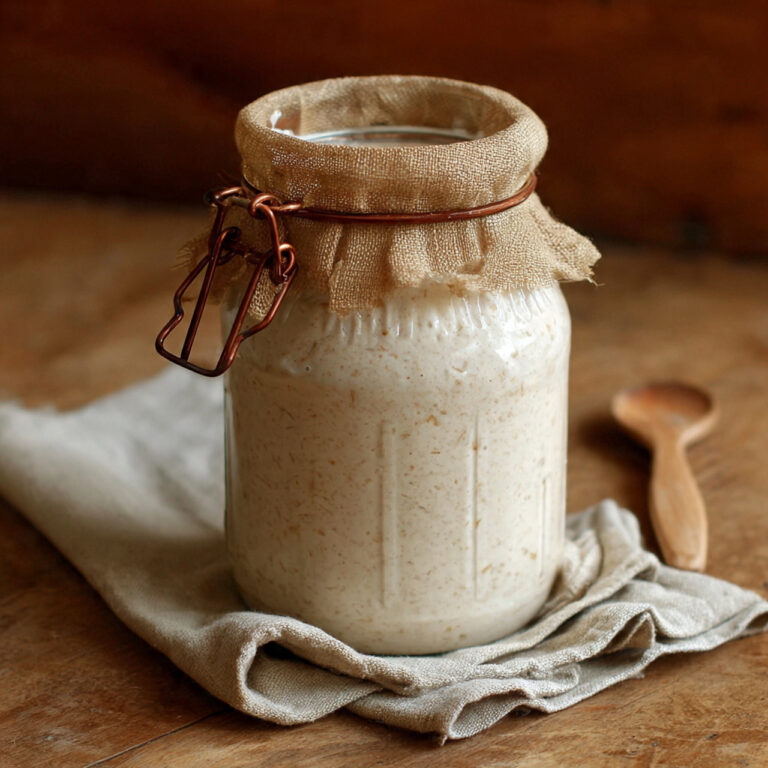
Before diving into these sourdough starter overnight recipes, bakers need an active and healthy starter. Creating a sourdough starter from scratch takes about 5-7 days, but the process is surprisingly simple. To begin, mix equal parts flour and water in a jar, cover loosely, and let it sit at room temperature. Each day, “feed” the starter by discarding half and adding fresh flour and water.
Many people wonder how to make sourdough starter without any special ingredients. The truth is, all that’s needed is all-purpose or whole wheat flour and water. The wild yeast and bacteria naturally present in the flour and environment will begin to ferment the mixture, creating the distinctive sourdough flavor and leavening power.
For those who prefer a faster start, a sourdough starter kit can be purchased online or from specialty baking stores. These kits typically include dried starter that just needs to be rehydrated and fed. Some people also ask where do you buy sourdough starter, and the answer is that many bakeries will share or sell a portion of their established starter. A best sourdough starter kit will include clear instructions and everything needed to get baking quickly.
Understanding what is sourdough starter helps demystify the process. Essentially, it’s a fermented mixture of flour and water that contains wild yeast and beneficial bacteria. This living culture is what makes sourdough bread rise and gives it that characteristic tangy flavor. Once someone has an active starter, they can use it in countless recipes, from basic bread to creative overnight sourdough discard recipes that use the portion typically thrown away during feeding. Quick breads like apple cider sourdough donut quick bread make excellent use of discard.
1. Beginner’s Sourdough Bread Recipe
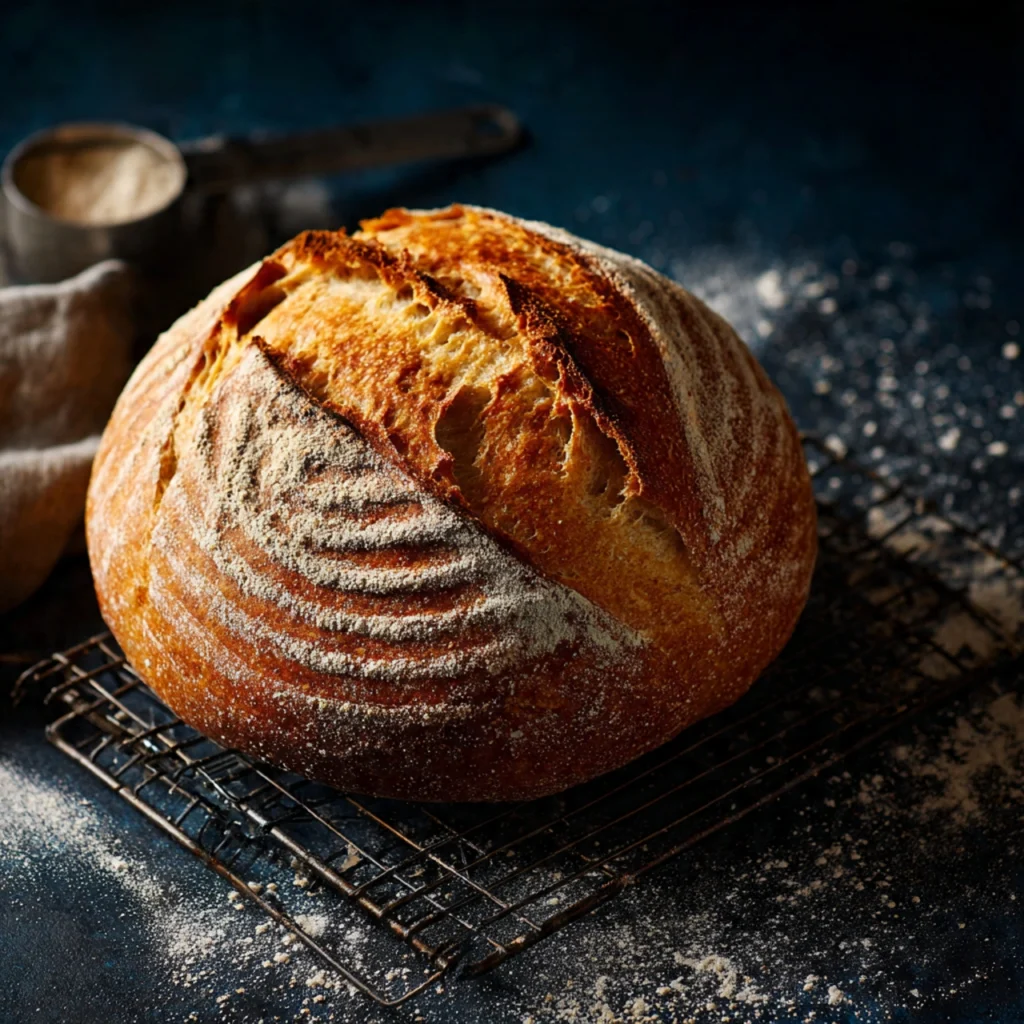
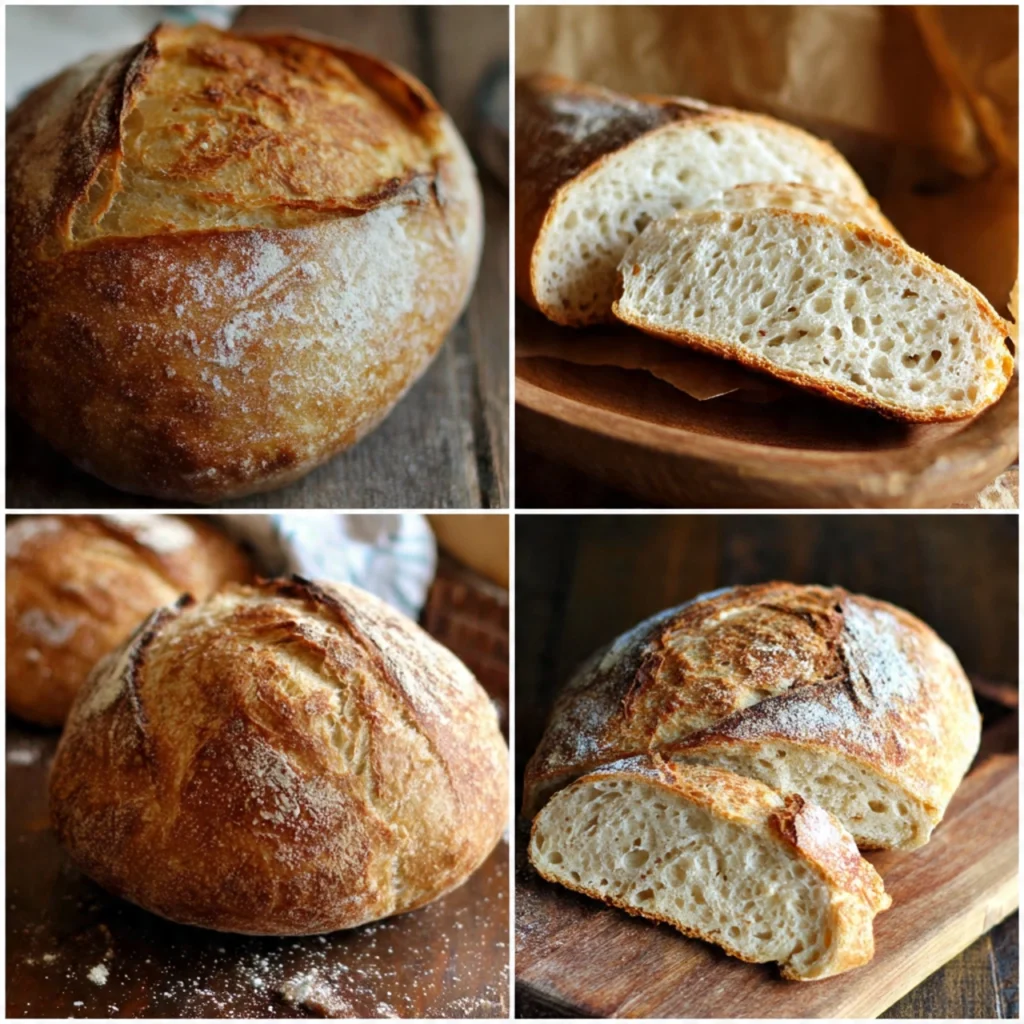
This easy sourdough bread for beginners is the perfect introduction to overnight baking. The recipe requires just four ingredients: active sourdough starter, flour, water, and salt. The method is straightforward and forgiving, making it ideal for first-time sourdough bakers.
To create this overnight sourdough bread recipe, bakers mix the ingredients in the evening, allowing the dough to rest and develop overnight. The long fermentation process does most of the work, building flavor and creating that characteristic open crumb structure. In the morning, the dough is shaped, given a brief final rise, and then baked to golden perfection.
The beauty of this beginner’s approach is that it doesn’t require special equipment or complicated techniques. A simple mixing bowl, a Dutch oven for baking, and patience are all that’s needed. The overnight rest allows the gluten to develop naturally without extensive kneading, resulting in bread with a crispy crust and soft, airy interior.
This recipe is often called an artisan overnight sourdough bread because the slow fermentation mimics the methods used by professional bakers. The extended rising time allows enzymes in the flour to break down complex starches, making the bread easier to digest and giving it a more complex flavor profile than quick-rise breads.
2. Sourdough Bagels

Homemade sourdough bagels offer a delightful chew and tangy flavor that store-bought versions simply can’t match. This overnight sourdough recipe transforms simple ingredients into authentic New York-style bagels with a crispy exterior and tender interior.
The process begins the evening before by mixing active sourdough starter with flour, water, salt, and a touch of honey. After a brief knead, the dough rests overnight, developing flavor and structure. In the morning, the dough is divided into portions, shaped into rings, and given a short proof before the crucial boiling step.
Boiling bagels before baking is what gives them their distinctive chewy texture and shiny crust. Some bakers add honey or malt syrup to the boiling water for extra flavor and color. After boiling, the bagels are topped with seeds, salt, or other toppings before going into a hot oven.
These bagels work wonderfully with various toppings and flavors. Everything bagels, cinnamon raisin, and plain bagels all start with the same base dough. For a seasonal twist, bakers can try sourdough pumpkin bagels that add warmth and spice to the classic recipe. The overnight fermentation makes these easier to digest than traditional bagels while adding depth of flavor that keeps people coming back for more.
3. English Muffins

Sourdough English muffins are a weekend breakfast game-changer. These griddle-cooked delights feature the signature nooks and crannies that perfectly catch butter, jam, or egg yolk. As an overnight sourdough recipe, they’re incredibly convenient for lazy weekend mornings.
The dough comes together quickly in the evening with active starter, flour, milk, and a touch of butter. After an overnight rise in the refrigerator, the dough is gently rolled out and cut into rounds. These rounds get a brief second rise before being cooked on a griddle or in a skillet.
Unlike oven-baked breads, English muffins are cooked on the stovetop, which creates their unique texture. The slow, gentle heat allows the inside to cook through while developing a golden crust on both sides. Once cooked, they’re split with a fork rather than cut with a knife to preserve those desirable nooks and crannies.
Many bakers find these easier than traditional English muffins because the sourdough does much of the work overnight. The result is tender, flavorful muffins that toast beautifully and taste far superior to anything from the grocery store. They freeze well too, making them perfect for meal prep.
4. Ciabatta Bread Rolls

Ciabatta rolls made with overnight sourdough develop an incredibly open, airy crumb structure and crispy crust that pairs perfectly with soups, salads, or as sandwich bread. For a detailed step-by-step guide, check out this sourdough ciabatta rolls recipe. This high-hydration dough benefits greatly from the extended fermentation time.
The dough for these rolls is quite wet and sticky, which intimidates some bakers initially. However, this high water content is exactly what creates those beautiful large air pockets characteristic of ciabatta. Mixed in the evening and left to ferment overnight, the dough becomes easier to handle and develops incredible flavor.
In the morning, the dough is gently transferred to a floured surface and divided into portions without deflating the air bubbles that formed overnight. Each portion is lightly shaped into a rough rectangle and allowed a brief rest before baking. The oven needs to be very hot, and steam during the first few minutes of baking helps create that signature crispy, blistered crust.
These rolls are versatile and impressive yet surprisingly simple for a beginner sourdough overnight recipe. They’re perfect for dinner parties or weekend lunches, and they showcase how patient fermentation can transform basic ingredients into something extraordinary.
5. Sourdough Focaccia

Focaccia is one of the most forgiving and fun overnight sourdough recipes for beginners. This Italian flatbread is characterized by its dimpled surface, olive oil richness, and endless topping possibilities. The overnight method creates exceptional texture and flavor with minimal effort.
To make sourdough focaccia, a wet dough is mixed in the evening with active starter, flour, water, olive oil, and salt. The dough rests overnight in the refrigerator, where it slowly ferments and develops flavor. The cold fermentation also makes the dough easier to handle despite its high hydration.
The next day, the dough is brought to room temperature and transferred to an oiled baking pan. This is where the fun begins—bakers dimple the dough with their fingertips, creating the characteristic pockets that will hold olive oil and toppings. Popular additions include fresh rosemary, cherry tomatoes, olives, caramelized onions, or flaky sea salt.
After a brief final rise, the focaccia bakes until golden brown and crispy on the edges while remaining soft and fluffy inside. The olive oil creates a rich, flavorful bread that’s perfect on its own, as a side dish, or as a base for sandwiches. For those who enjoy savory breads with a kick, jalapeño and cheddar sourdough bread offers a delicious spicy variation. This quick overnight sourdough recipe delivers bakery-quality results with surprisingly little hands-on work.
6. Sourdough Crescent Rolls

Light, flaky sourdough crescent rolls bring a touch of elegance to any meal. These buttery rolls combine the tang of sourdough with the tender texture of traditional dinner rolls. As an overnight sourdough recipe, they’re perfect for holiday gatherings or special family dinners.
The dough is enriched with butter, milk, and eggs, making it softer and more tender than standard bread dough. After mixing in the evening with active starter, the dough rests overnight, developing flavor while the butter creates layers. This rest period also makes the dough easier to roll and shape the next day.
To form the crescents, the dough is rolled into a large circle and cut into triangles. Each triangle is then rolled from the wide end to the point, creating the classic crescent shape. A brush of melted butter before baking ensures a golden, shiny finish.
These rolls are slightly sweet, making them versatile enough to serve with both savory and sweet meals. They’re wonderful alongside soups and stews, but they’re equally delicious with jam or honey for breakfast. The sourdough adds a subtle complexity that elevates them beyond ordinary dinner rolls.
7. Sourdough Cinnamon Rolls

There’s nothing quite like waking up to the aroma of fresh cinnamon rolls baking in the oven. These sourdough cinnamon rolls combine the tangy depth of overnight sourdough with classic sweet, spiced filling and creamy frosting. They’re a weekend breakfast treat worth waking up for.
The enriched dough comes together the night before, with active starter combined with flour, milk, butter, sugar, and eggs. After a thorough mix, the dough rests overnight in the refrigerator. This slow, cold rise develops the sourdough flavor while keeping the dough enriched and tender.
In the morning, the dough is rolled into a rectangle and spread with softened butter, cinnamon, and brown sugar. After rolling into a log and slicing into rounds, the rolls are arranged in a baking dish for a final rise. Once doubled in size, they bake until golden brown and puffy.
While the rolls cool slightly, a simple cream cheese frosting is prepared. The combination of tangy frosting and sweet cinnamon filling with the subtle sourdough base creates layers of flavor that make these rolls truly special. They’re perfect for lazy weekend mornings or holiday breakfasts, and the overnight preparation means less morning work when everyone’s hungry. Bakers who love sweet sourdough treats should also try sourdough pumpkin coffee cake for another delightful breakfast option.
8. Sourdough Chocolate Chip Cookies

Sourdough chocolate chip cookies offer a unique twist on the classic favorite. The addition of sourdough starter creates cookies with extra depth of flavor, a slightly chewy texture, and a subtle tang that balances the sweetness. This overnight sourdough discard recipes favorite is perfect for using up excess starter.
The cookie dough is made by creaming butter and sugar, then adding eggs, vanilla, and sourdough discard (the portion typically discarded during feeding). Flour, baking soda, and salt are mixed in, followed by plenty of chocolate chips. The dough can be scooped and baked immediately, but letting it rest overnight in the refrigerator produces superior results.
The overnight rest allows the flour to fully hydrate and the flavors to meld. It also makes the dough easier to handle and prevents the cookies from spreading too much during baking. The result is cookies with crispy edges and chewy centers, studded with melted chocolate.
These cookies are a great introduction to using sourdough in unexpected ways. They demonstrate that sourdough starter isn’t just for bread—it can add complexity to all sorts of baked goods. Plus, using discard in cookies means less waste and more delicious treats, making this one of the most practical overnight sourdough discard recipes. For more creative ways to use sourdough discard, try sourdough discard apple cinnamon quick bread or explore other sweet discard options.
9. Sourdough Dinner Rolls

Soft, fluffy sourdough dinner rolls are the perfect accompaniment to any meal. These rolls combine the health benefits and flavor complexity of sourdough with the tender texture everyone loves in dinner rolls. This overnight sourdough recipe makes entertaining easier since the dough can be prepared ahead.
The enriched dough includes active starter, flour, milk, butter, eggs, and a touch of honey for subtle sweetness. Mixed in the evening, the dough undergoes a slow overnight rise that develops flavor while maintaining the soft, tender texture. The enrichments prevent the rolls from becoming too tangy while keeping them light and fluffy.
In the morning, the dough is divided into equal portions and shaped into smooth balls. These are arranged close together in a baking pan so they bake into pull-apart rolls. After a final rise, they’re brushed with butter and baked until golden brown.
Fresh from the oven, these rolls are irresistible—soft, warm, and perfect for soaking up gravy or spreading with butter. They’re excellent for holiday dinners, family gatherings, or anytime homemade rolls would make a meal special. The overnight method means hosts can prepare the dough the night before, reducing day-of stress.
10. Crispy Sourdough Waffles

Sourdough waffles take breakfast to the next level with their crispy exterior, fluffy interior, and complex flavor. This overnight sourdough recipe is one of the easiest ways to use active starter or discard, and it produces waffles that are far superior to any box mix.
The batter comes together quickly the night before by combining sourdough starter with flour, milk, eggs, and melted butter. A touch of sugar and vanilla add sweetness, while baking powder and baking soda provide extra lift. The batter rests overnight, allowing the sourdough to ferment and develop flavor.
In the morning, the batter is ready to use—just preheat the waffle iron and cook until golden brown and crispy. The fermentation process makes these waffles more digestible and adds a subtle tang that pairs beautifully with sweet toppings like maple syrup, fresh fruit, or whipped cream.
These waffles freeze beautifully, making them perfect for meal prep. Bakers can make a double batch on the weekend and reheat waffles in the toaster throughout the week for quick breakfasts. The crispy texture and complex flavor make them a family favorite that’s also a practical use of sourdough starter.
11. Sourdough Tortillas

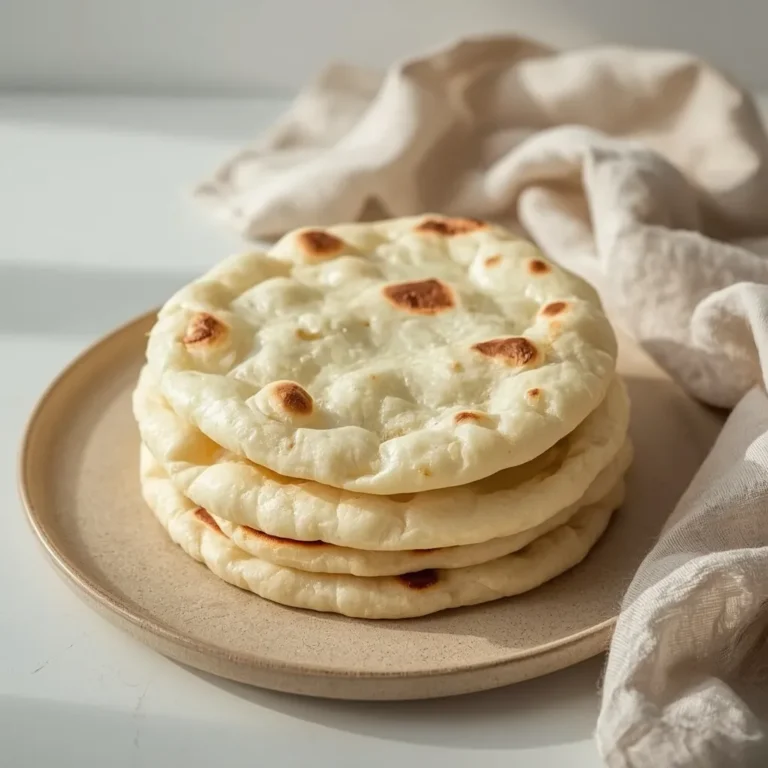
Homemade sourdough tortillas are surprisingly easy to make and taste infinitely better than store-bought versions. These flatbreads have a soft, pliable texture perfect for tacos, burritos, or quesadillas, with the added benefit of sourdough’s digestibility and flavor.
The dough is simple—just active starter, flour, salt, and fat (butter, lard, or oil). Mixed together in the evening, the dough rests overnight, allowing the sourdough to break down the flour’s complex starches. This makes the tortillas easier to digest and gives them a subtle tangy flavor.
In the morning, the dough is divided into small balls and rolled thin. Each tortilla cooks quickly on a hot griddle or cast-iron skillet, puffing slightly and developing characteristic brown spots. The whole process moves quickly once rolling begins, and fresh tortillas can be on the table in under 30 minutes.
These tortillas stay soft and flexible for days when stored properly, making them perfect for meal prep. They’re also an excellent use of sourdough discard if bakers don’t want to use active starter. The overnight rest makes the dough exceptionally easy to roll out, resulting in thin, tender tortillas every time.
12. Sourdough Pancakes

Light, fluffy sourdough pancakes make weekends special with minimal morning effort. This overnight sourdough recipe creates a batter that’s ready to cook first thing in the morning, producing pancakes with a tender crumb and subtle tang that complements sweet toppings perfectly.
The batter base is mixed the night before using sourdough starter (or discard), flour, milk, and a touch of sugar. This mixture sits overnight at room temperature or in the refrigerator, fermenting gently and developing flavor. In the morning, eggs, melted butter, and baking soda are stirred in right before cooking.
The fermentation process does more than add flavor—it also makes the pancakes more nutritious and easier to digest. The acids in the sourdough begin breaking down the flour’s phytic acid, which can inhibit mineral absorption. The result is pancakes that are both healthier and tastier than conventional recipes.
Cooking is straightforward: a hot griddle, a ladle of batter, and patience for bubbles to form on the surface before flipping. These pancakes are light and fluffy with crispy edges, perfect for stacking high and topping with butter, maple syrup, fresh fruit, or whatever toppings the family loves best. For those who enjoy seasonal flavors, easy sourdough pumpkin bread makes another wonderful breakfast treat.
13. Sourdough Pizza Dough
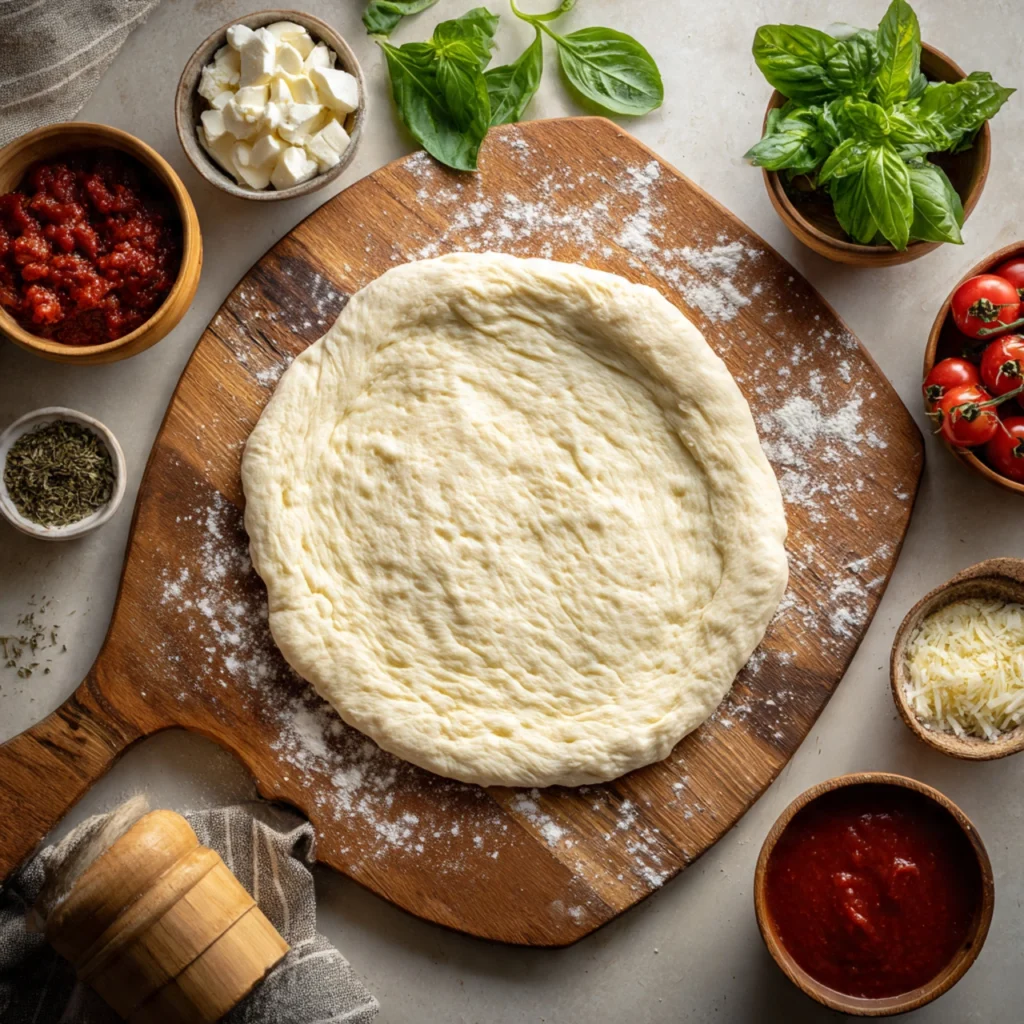
Pizza night gets an upgrade with overnight sourdough pizza dough. The extended fermentation creates a crust that’s crispy on the outside, chewy on the inside, and full of complex flavor. This no knead overnight sourdough approach makes restaurant-quality pizza achievable at home.
The dough requires just four ingredients: active starter, flour, water, and salt. Mixed together in the evening with minimal effort, the dough rests overnight at room temperature or in the refrigerator. During this time, the sourdough ferments the dough, developing gluten structure naturally without kneading and creating depth of flavor.
When ready to bake, the dough is divided and stretched into pizza rounds. The key is handling it gently to preserve the air bubbles that formed during fermentation. These bubbles create the characteristic leopard-spotting on the crust when baked at high heat.
The overnight fermentation makes this dough incredibly versatile. It works for thin, crispy New York-style pizza or thicker, chewier Neapolitan pies. The sourdough tang complements both simple margherita toppings and more complex flavor combinations. Making the dough ahead means pizza night becomes easy and stress-free.
14. Sourdough Pretzels

Soft sourdough pretzels bring the magic of the mall food court home with a healthy, flavorful twist. These chewy, salty treats benefit enormously from overnight fermentation, which develops the characteristic pretzel flavor while making the dough easier to work with.
The dough is mixed in the evening using active starter, flour, water, butter, and a touch of honey. After a brief knead, it rests overnight in the refrigerator. The cold, slow fermentation develops complex flavor while keeping the dough manageable for shaping. The butter addition ensures the pretzels stay soft inside while achieving a golden exterior.
Shaping pretzels is part of the fun—the dough is divided into ropes that are twisted into the classic pretzel shape. Before baking, each pretzel gets a quick dip in a baking soda bath. This step is crucial for developing that distinctive dark, chewy exterior and alkaline flavor that makes pretzels unique.
After boiling, the pretzels are topped with coarse salt (or other toppings like sesame seeds or cinnamon sugar) and baked until deep golden brown. They’re best eaten warm, with or without mustard for dipping. These pretzels make great snacks, party food, or fun weekend projects with kids. For another fun sourdough treat, sourdough apple cider donuts bring seasonal sweetness to the table.
15. Sourdough Naan Bread

Sourdough naan combines the best of Indian flatbread traditions with the benefits of overnight fermentation. These soft, pillowy breads are perfect for scooping up curries, wrapping around grilled meats, or simply enjoying with butter and garlic. The overnight method creates exceptionally tender naan with complex flavor.
The enriched dough includes active starter, flour, yogurt, milk, butter, and a touch of sugar and salt. The yogurt and sourdough work together to create extra tangy flavor and tender texture. Mixed in the evening, the dough rises overnight, becoming light and airy while developing depth of flavor.
In the morning or evening when ready to cook, the dough is divided into portions and rolled into oval shapes. Traditionally, naan is cooked in a tandoor oven, but a very hot cast-iron skillet or griddle produces excellent results at home. Each piece cooks for just a few minutes per side, bubbling and charring slightly.
Fresh naan is brushed with melted butter or garlic butter immediately after cooking. Some bakers sprinkle fresh herbs like cilantro or nigella seeds on top. The result is tender, flavorful flatbread that elevates any meal. The overnight preparation makes these simple enough for weeknight dinners while impressive enough for entertaining. For another globally-inspired sourdough recipe, sourdough masala chai bread infuses aromatic spices into a delightful loaf.