How to Clean a Ninja Blender: Quick & Easy Step-by-Step Guide
Wondering how to clean a Ninja blender properly? You’re in the right place. Ninja blenders are incredibly powerful kitchen tools, but they require regular cleaning to maintain peak performance and longevity. In this guide, we’ll walk you through everything you need to know about cleaning your Ninja blender from quick daily rinses to deep cleaning stubborn stains and odors. Whether you’re dealing with sticky smoothie residue or grimy blades, we’ve got simple, effective methods that take just minutes. Let’s dive into the best practices for keeping your Ninja blender spotless, hygienic, and ready for your next blend.
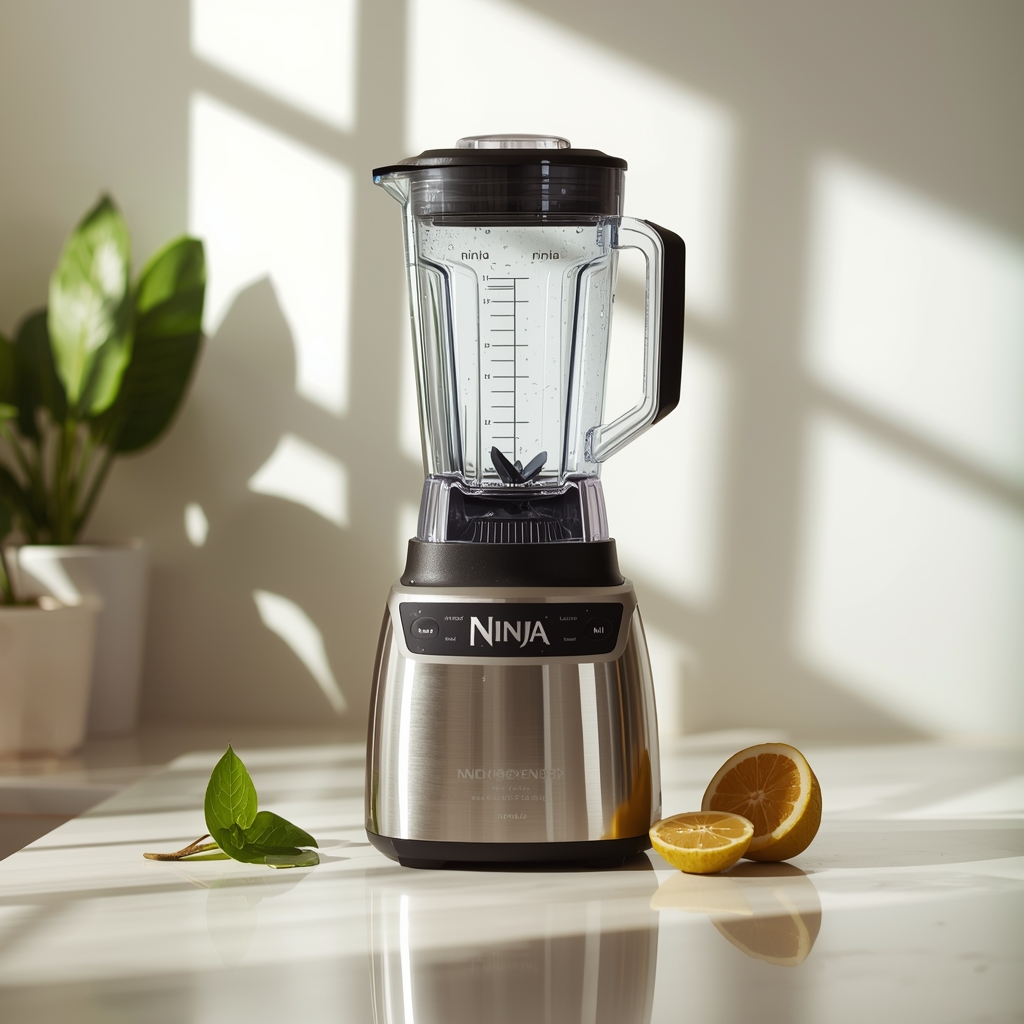
Learning how to clean a Ninja blender correctly solves these issues and ensures your appliance stays hygienic and efficient. In this comprehensive guide, we’ll show you proven techniques for removing odors, tackling tough residue, and maintaining every component from blades to gaskets. Say goodbye to grimy blenders and hello to fresh, spotless results every time.

Though I do regular cleanings on my Ninja Blender, it is sometimes inevitable for stubborn stains and food residue to appear. This calls for proper cleaning. Luckily, if you follow these simple steps, what might seem like a chore is really an easy task to once again achieve that sparkling Ninja Blender.
You May Need the Following Items:
Before you start cleaning your Ninja blender, gather these common household items for the best results:
Basic Cleaning Supplies:
- Warm water
- Dish soap (Dawn or similar grease-cutting formula)
- Soft sponge or non-abrasive brush
- Microfiber cloth or clean towel
- White vinegar (for deep cleaning and odor removal)
- Baking soda (for stubborn stains and deodorizing)
Optional Deep Cleaning Tools:
- Lemon juice or citric acid
- Bottle brush (for hard-to-reach areas)
- Toothbrush (for gaskets and tight spaces)
- Denture tablets or dishwasher tablets
- Rubbing alcohol (for sanitizing)
3 Different Ways to Clean a Ninja Blender:
Self-Cleaning Method:
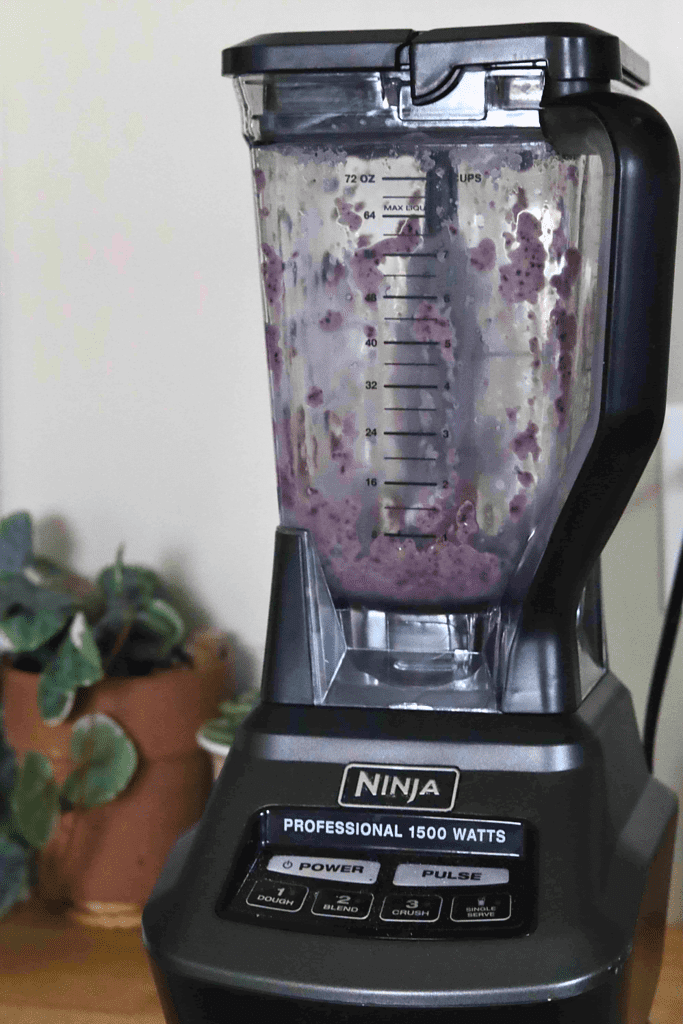
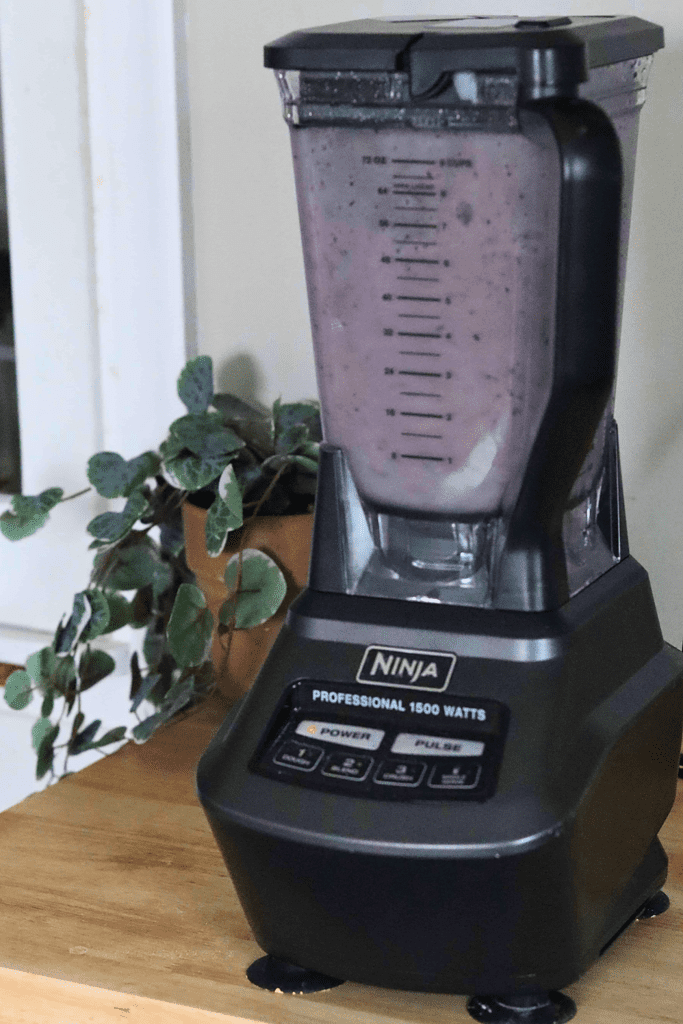
The self-cleaning method is the quickest way to clean Ninja blender after smoothies or light use. This Ninja blender self-clean trick harnesses the power of the blades themselves to scrub away residue.
- Fill the jar halfway with warm water (not hot, as extreme temperatures can damage the pitcher)
- Add 1-2 drops of dish soap to the water
- Secure the lid and ensure it’s properly locked
- Blend on high speed for 30-60 seconds the soapy water creates friction that dislodges food particles
- Let it sit for 2-3 minutes if dealing with sticky residue
- Dump the soapy water and rinse thoroughly with clean water
Pro Tips for the Self-Clean Method:
- For extra cleaning power, add a tablespoon of white vinegar or a squeeze of lemon juice
- This method works best immediately after use, before residue hardens
- Always inspect the blades afterward to ensure no particles remain stuck
- This is one of the most popular Ninja blender cleaning hacks for daily maintenance
This method is perfect for how to clean Ninja blender after smoothies, protein shakes, or any quick blend job. It’s fast, effective, and requires minimal effort ideal for busy mornings.
Dishwasher Method:
One of the most common questions is: can you wash ninja blender in dishwasher? The answer depends on which parts you’re cleaning.
What’s Dishwasher-Safe:
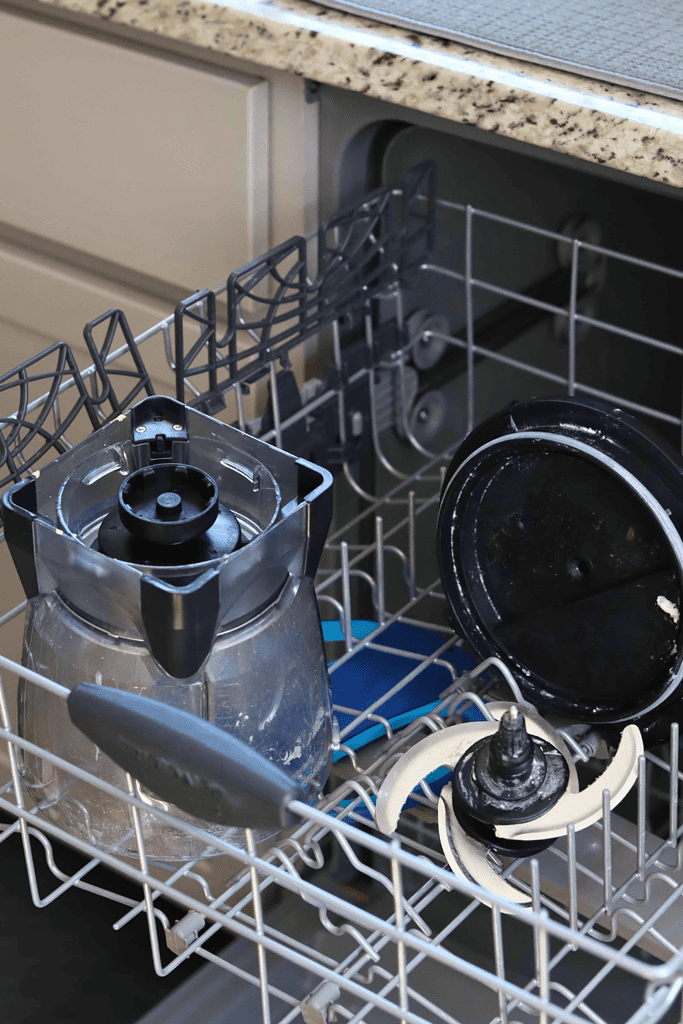
- Pitcher/jar (top rack only)
- Lids (top rack only)
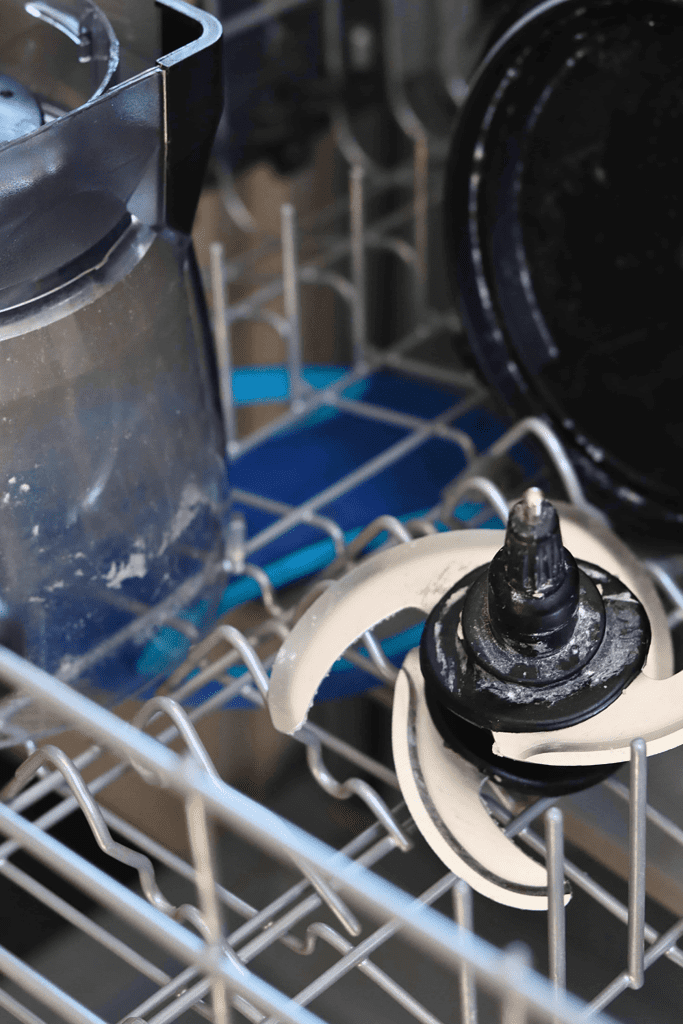
- Blade assemblies (top rack recommended, though hand-washing prolongs their sharpness)
Never Put in the Dishwasher:
- Any electronic components
- Motor base
- Power cord
How to Dishwasher Clean Your Ninja Blender Parts:
- Disassemble completely remove the pitcher from the base, take off the lid, and carefully unscrew the blade assembly
- Rinse thoroughly with warm water to remove large food particles before loading
- Place items on the top rack secure them so they won’t flip or move during the wash cycle
- Use a gentle cycle with standard dishwasher detergent
- Allow to air dry or wipe with a microfiber cloth before reassembling
Important Dishwasher Tips:
- High heat can warp plastic components over time, so use the top rack exclusively
- The blade assembly is technically dishwasher-safe but may dull faster with repeated dishwasher use
- If you notice cloudiness developing on the pitcher, hand-washing with vinegar helps restore clarity
- This answers the question can ninja blender go in dishwasher yes, but with precautions
Handwashing Method:
The handwashing method gives you the most control and is the gentlest option for maintaining your blender’s longevity. This is the preferred Ninja blender cleaning instructions approach for thorough cleaning.
Complete Handwashing Steps:
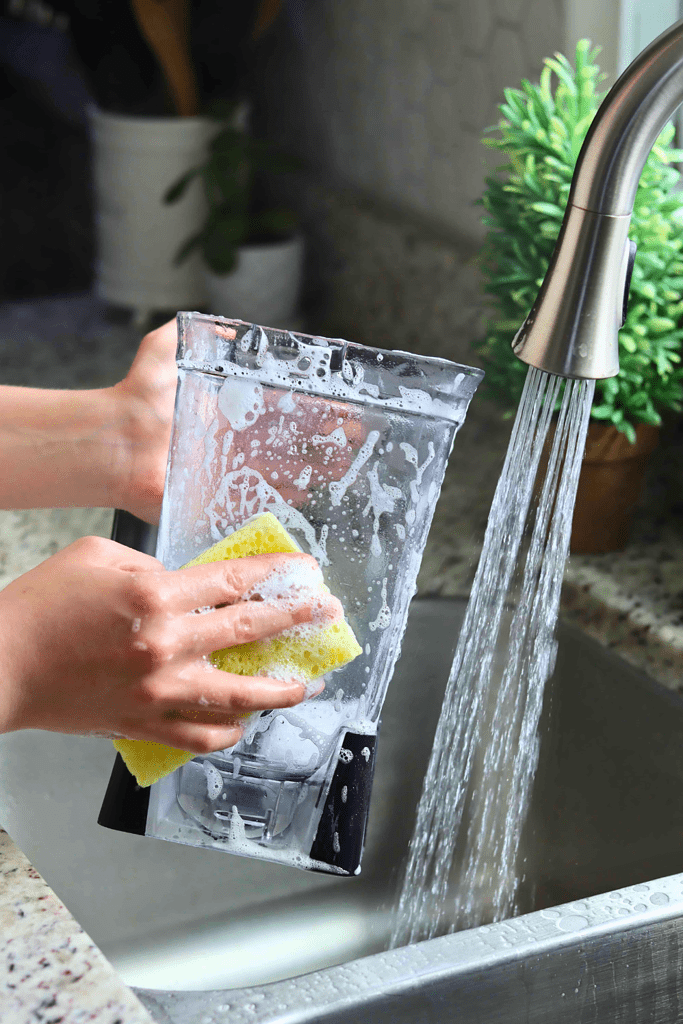
- Disassemble the blender remove the pitcher from the motor base, unscrew the blade assembly carefully (blades are sharp!), and take off any gaskets or seals
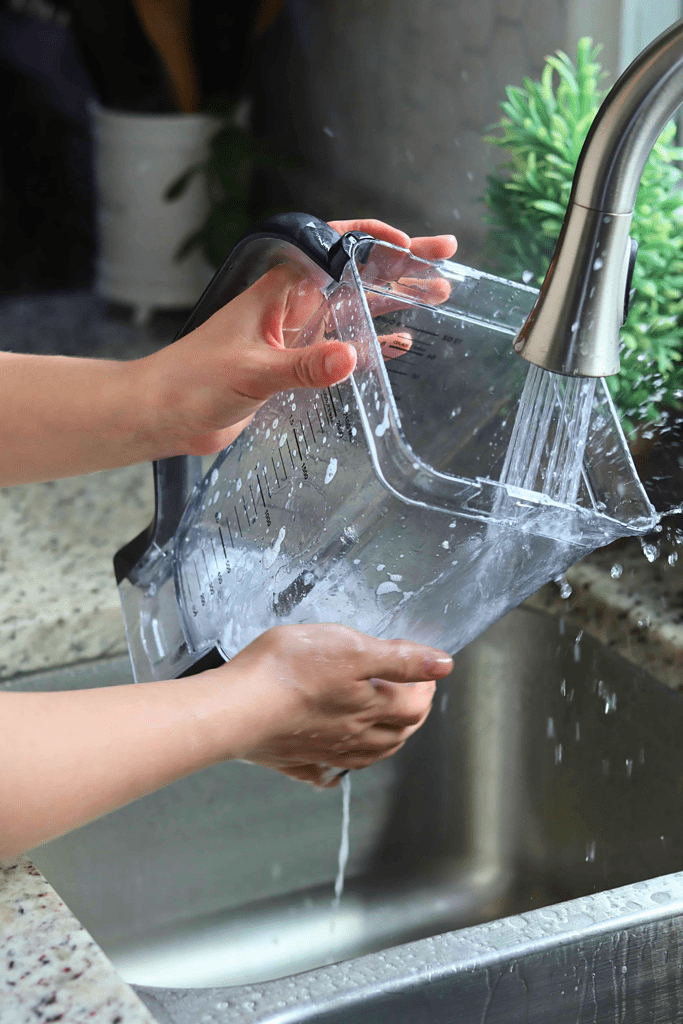
- Rinse immediately after use with warm water to prevent food from drying
- Fill a sink or basin with warm water and add 2-3 drops of dish soap
- Wash the pitcher with a soft sponge, paying attention to the bottom and any textured areas where residue collects
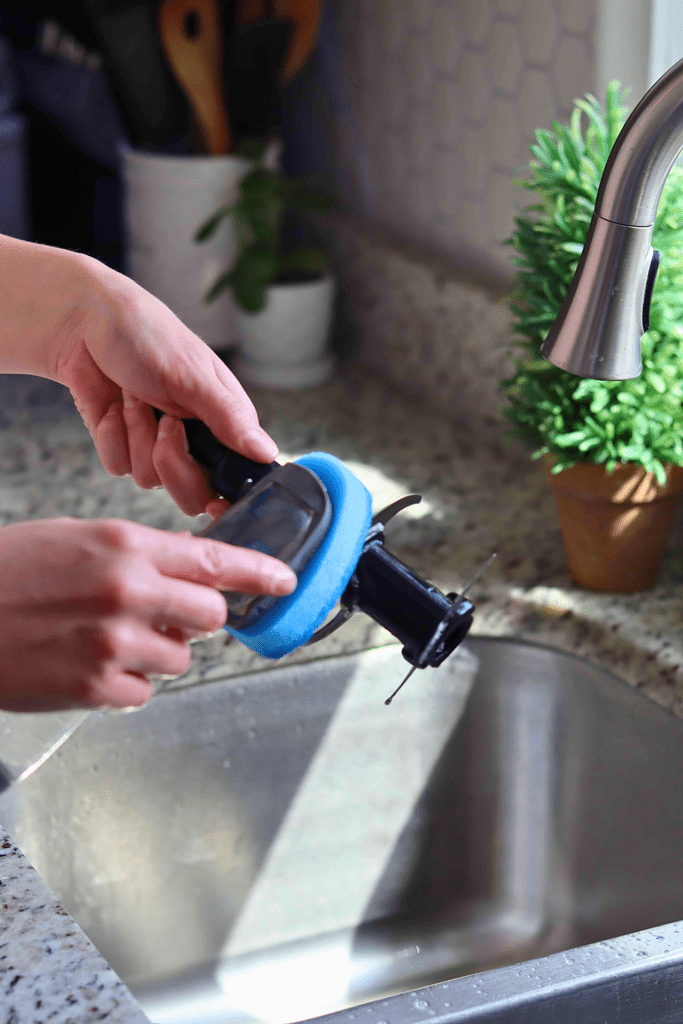
- Clean the blade assembly using a bottle brush or sponge handle with extreme care to avoid cuts
- Scrub the lid and gasket with a toothbrush to remove buildup in grooves
- Rinse everything thoroughly with clean water until no soap residue remains
- Air dry on a drying rack or towel, ensuring all components are completely dry before reassembling
Handwashing Best Practices:
- Never submerge the motor base in water wipe it with a damp cloth only
- Use a toothbrush for how to clean Ninja blender seals and gaskets, as food particles often hide in these crevices
- For stuck-on food, soak components in warm soapy water for 10-15 minutes before scrubbing
- This method is essential for how to clean stuck food in Ninja blender situations
Handwashing takes a few extra minutes but ensures every nook and cranny is clean. It’s the recommended approach for how to deep clean Ninja blender components and extends the life of your appliance.
How to Clean a Ninja Blender with Stains:
Stains from berries, turmeric, carrots, and other pigmented foods are common in Ninja blenders. Here’s how to tackle those stubborn marks.
Lemon Juice Method:
- Rinse and wash normally
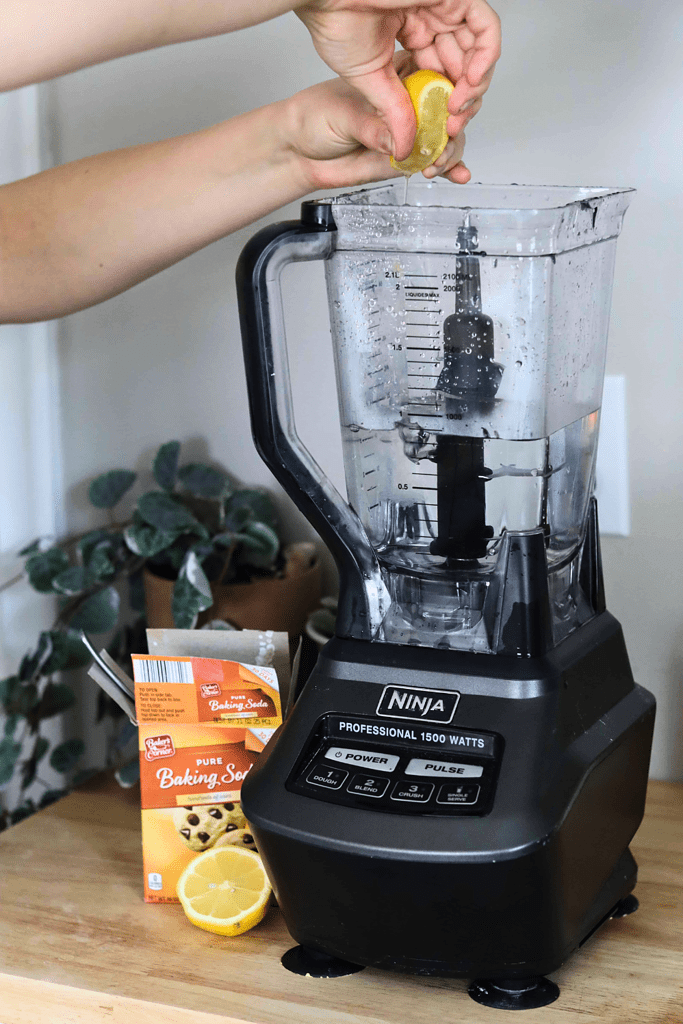
- Cut a lemon in half and rub it directly on stained areas
- Combine with baking soda for extra scrubbing power (the fizzing reaction helps lift stains)
- Let sit for 10-15 minutes
Baking Soda Paste Method:
- Create a paste by mixing 2 tablespoons of baking soda with enough water to form a thick consistency
- Apply the paste to stained areas using a soft cloth or sponge
- Let it sit for 15-20 minutes baking soda is a mild abrasive that lifts stains without scratching
- Scrub gently in circular motions
- Rinse thoroughly and repeat if necessary
Vinegar Soak Method:
- Rinse well to remove vinegar smell
- Fill the pitcher halfway with equal parts white vinegar and warm water
- Let it soak for 30 minutes to 1 hour for stubborn stains
- Scrub with a sponge after soaking
These safe products to clean Ninja blender stains are non-toxic and highly effective. For particularly stubborn discoloration, try the clean Ninja blender with vinegar method combined with baking soda for maximum stain-fighting power.
How to Clean a Ninja Blender that Smells:
Lingering odors in your Ninja blender can make future smoothies unappetizing. Here’s how to remove odors from Ninja blender effectively.
Vinegar and Water Solution:
- Mix equal parts white vinegar and warm water in the pitcher
- Blend on high for 30 seconds
- Let sit for 10-15 minutes
- Pour out and rinse thoroughly with clean water
- Air dry with the lid off to prevent moisture buildup
Baking Soda Deodorizing:
- Sprinkle 2-3 tablespoons of baking soda into the pitcher
- Add warm water and swirl to create a solution
- Let sit overnight for deep deodorizing
- Scrub and rinse the next morning
Lemon and Ice Method:
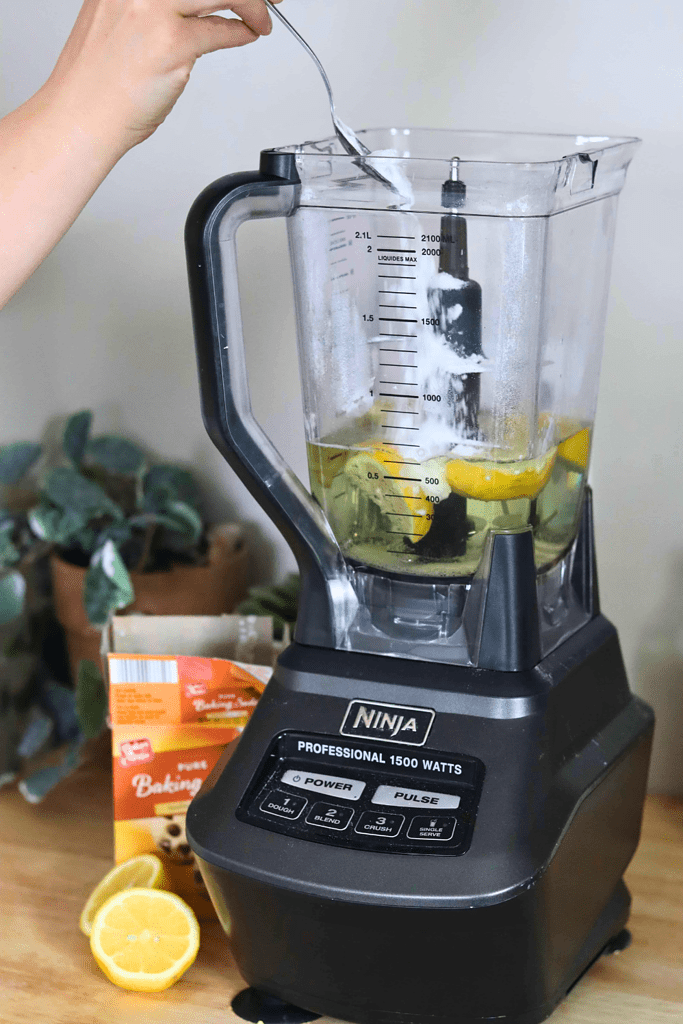
- Add ice cubes, lemon slices, and a drop of dish soap to the pitcher
- Blend for 30-45 seconds the ice acts as an abrasive while lemon neutralizes odors
- Rinse thoroughly and dry completely
Preventive Measures:
- Always clean immediately after use to prevent odors from developing
- Store with the lid off to allow air circulation
- Dry completely before storing to prevent mildew growth
- Clean gaskets and seals regularly as these often trap food particles that cause smells
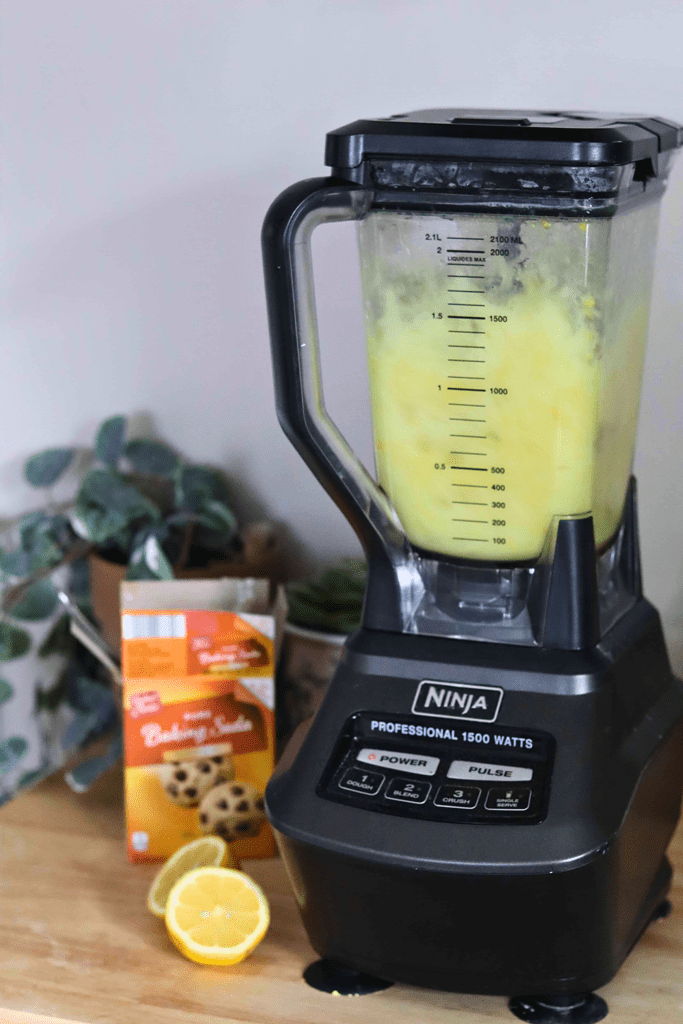
How to Clean a Cloudy Ninja Blender:
Over time, mineral deposits from hard water and dishwasher detergent residue can make your Ninja blender pitcher look cloudy. Here’s how to restore clarity.
White Vinegar Restoration:
- Fill the pitcher with undiluted white vinegar
- Let soak for 1-2 hours (or overnight for severe cloudiness)
- Scrub with a non-abrasive sponge the acidity breaks down mineral deposits
- Rinse thoroughly with warm water
- Dry with a microfiber cloth to prevent new water spots
Citric Acid Treatment:
- Buff dry with a soft cloth
- Dissolve 2 tablespoons of citric acid powder in warm water
- Fill the pitcher and let soak for 30-60 minutes
- Scrub and rinse thoroughly
Baking Soda Scrub:
- Make a paste with baking soda and water
- Apply to the cloudy areas inside and outside the pitcher
- Scrub gently with a soft sponge in circular motions
- Rinse and dry completely
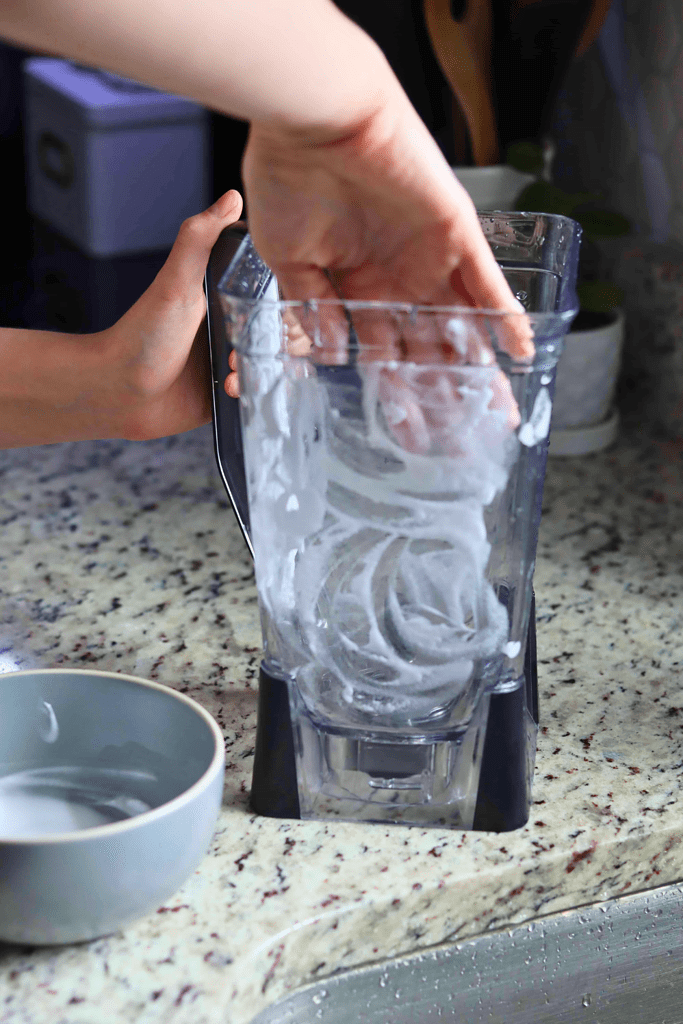
Prevention Tips:
- Hand-wash instead of using the dishwasher to reduce clouding
- Dry immediately after washing to prevent mineral deposits
- Use filtered water if you have hard water
- Clean regularly to prevent buildup
These methods work wonders for restoring your pitcher’s original clarity. The vinegar soak is particularly effective and is a popular how to sanitize Ninja blender technique that also disinfects while removing cloudiness.
How to Clean Specific Ninja Blender Parts:
Best Way to Clean Ninja Blender Blades
Blades are the most dangerous component to clean and require extra caution:
- Always unscrew the blade assembly from the pitcher before cleaning
- Handle by the plastic base, never touch the blades directly
- Use a bottle brush to clean around and between blades safely
- Soak in warm soapy water if food is stuck
- For stubborn residue, use a toothbrush to carefully scrub (always brush away from the sharp edge)
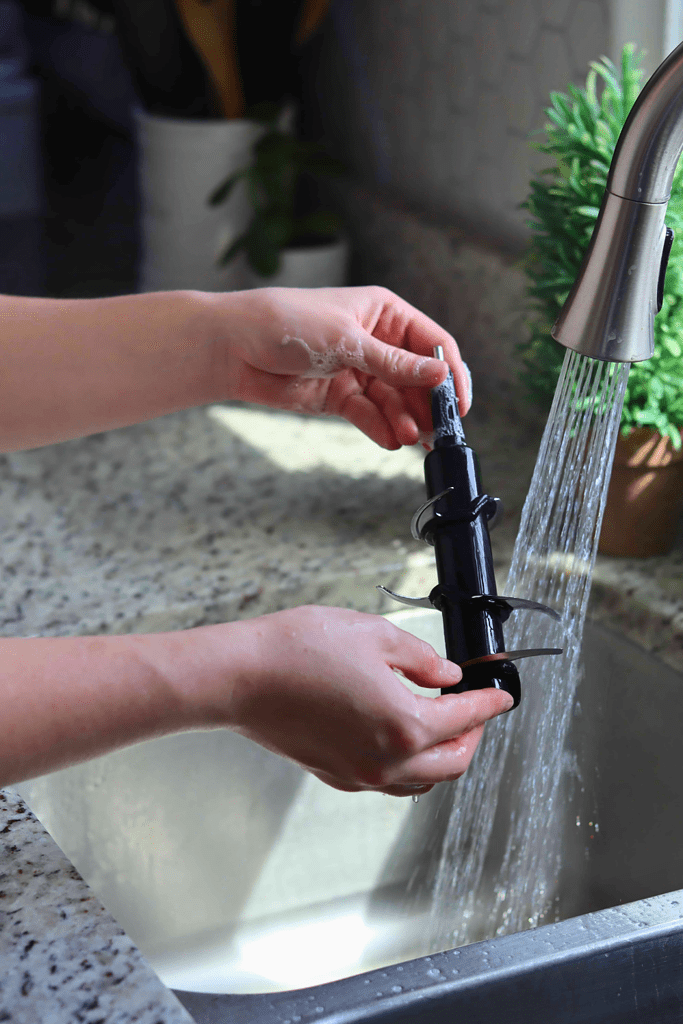
- Rinse under running water while holding the plastic base
- Dry completely before reassembling
Blade Safety and Maintenance:
- Store blade assemblies carefully to prevent accidental cuts
- Never reach into the pitcher to clean blades while they’re attached
- Use the self-clean method first to loosen debris before handling
- Replace blades if they become dull or damaged
How to Clean Ninja Blender Seals and Gaskets
Gaskets and seals trap food particles and bacteria if not cleaned properly:
- Remove gaskets from lids and blade assemblies
- Soak in warm soapy water for 5-10 minutes
- Scrub with a toothbrush to remove hidden debris in grooves
- Rinse thoroughly and inspect for any remaining particles
- Dry completely before reassembling moisture causes mildew
- Check for wear and replace if cracked or damaged
Gasket Maintenance:
- These components are often the source of odors
- Clean every time you deep clean your blender
- Proper gasket care prevents leaks during blending
How to Clean Ninja Blender Base:
The motor base contains electrical components and cannot be submerged:
- Unplug the blender before cleaning safety first!
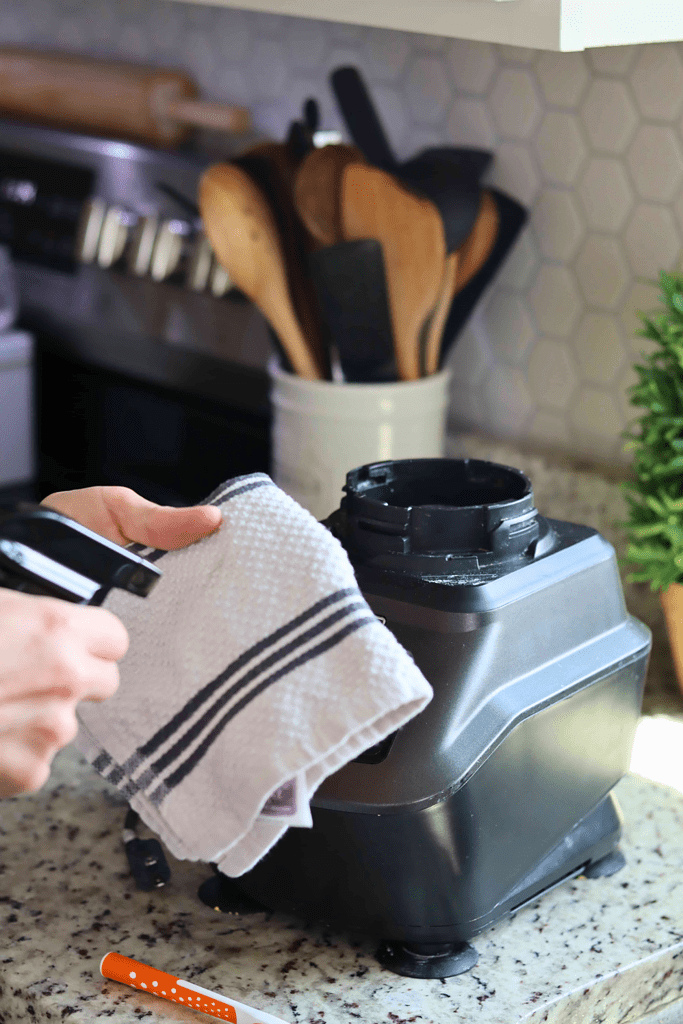
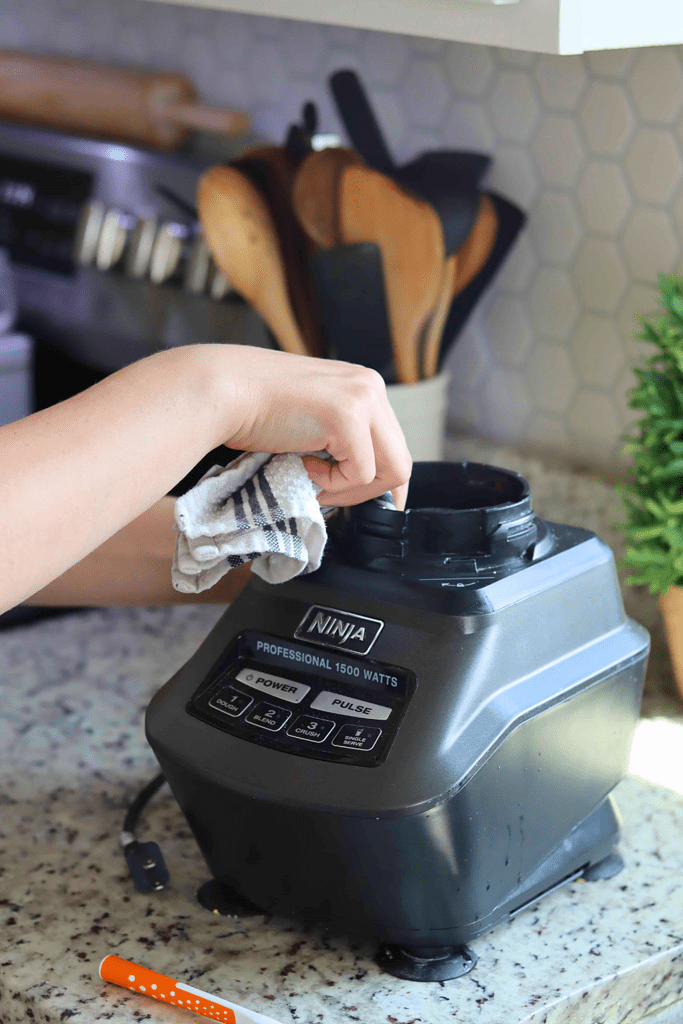
- Wipe with a damp cloth using warm water and mild soap
- For stuck-on spills, use a barely damp cloth with baking soda
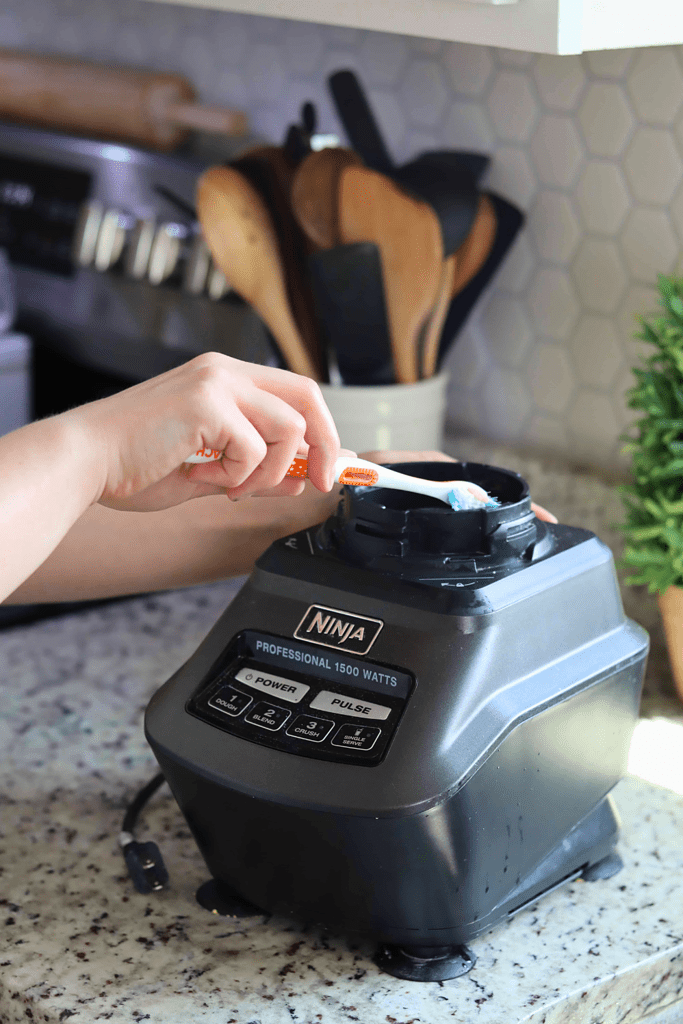
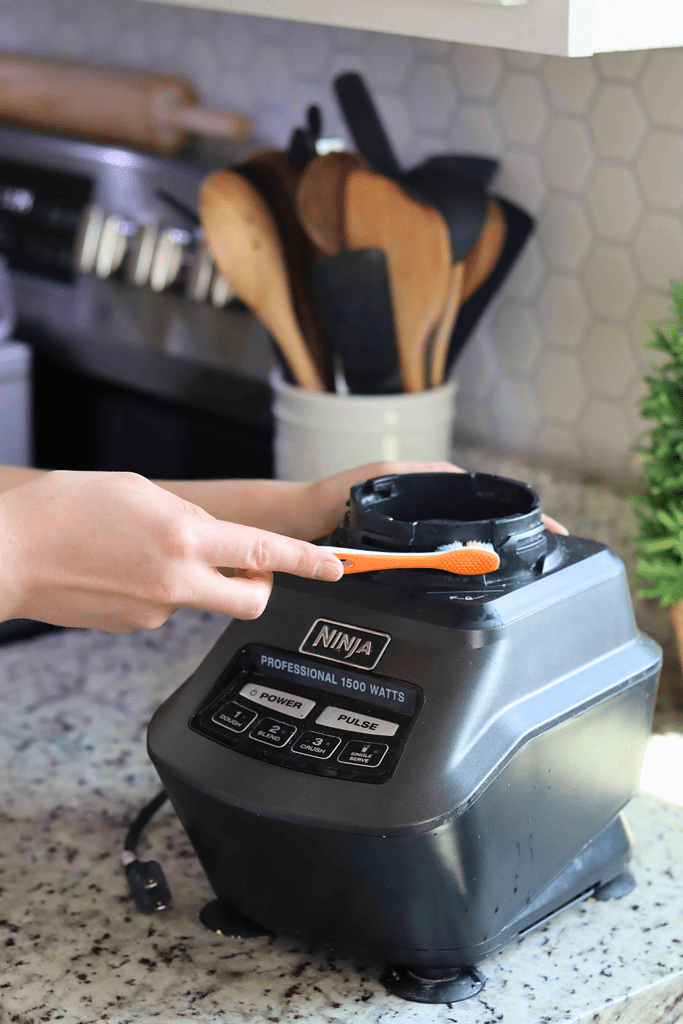
- Clean around buttons with a cotton swab or toothbrush
- Wipe the blade connector area where the pitcher attaches
- Dry immediately with a clean towel
- Ensure completely dry before plugging back in
Base Cleaning Cautions:
- This is crucial for clean Ninja blender base and exterior maintenance
- Never spray cleaner directly onto the base
- Avoid getting moisture in vents or electrical openings
- Don’t use harsh chemicals that could damage the finish
How to Clean Ninja Food Processor Blender
For Ninja models with food processor attachments:
- Disassemble all parts bowl, lid, blades, and attachments
- Rinse immediately to prevent food from drying
- Wash each component separately in warm soapy water
- Use a bottle brush for processing blades (handle with same caution as blender blades)
- Clean the feed tube with a long brush to remove stuck food
- Dry all parts before storing
Food Processor Specific Tips:
- For how to clean Ninja blender after nut butter, use hot water and extra dish soap
- The feed tube often traps small particles inspect carefully
- Processing oily foods like nut butter requires extra degreasing
Safety Tips:
Proper safety practices protect you from injury and extend your blender’s life. Follow these essential guidelines.
Electrical Safety:
- Always unplug the blender before cleaning any part
- Never submerge the motor base in water
- Keep water away from electrical components and outlets
- Ensure hands are dry before plugging in or operating
- Check cords regularly for damage
Blade Safety:
- Handle blades with extreme care they’re razor-sharp even when dull
- Never reach into the pitcher while blades are attached
- Use tools like brushes and sponges rather than bare hands
- Unscrew blade assemblies before thorough cleaning
- Keep blades away from children and pets
- Replace damaged blades immediately
Cleaning Product Safety:
- Use food-safe cleaners only avoid harsh chemicals
- Rinse thoroughly to remove all soap and cleaning agents
- Test new cleaning methods on a small area first
- Avoid abrasive scrubbers that damage plastic
- Ventilate the area when using vinegar or strong cleaners
General Safety Practices:
- Let the blender cool if it’s been running for extended periods
- Don’t overfill the pitcher during the self-clean method
- Secure the lid properly before blending
- Inspect components regularly for cracks or wear
- Follow manufacturer guidelines for your specific Ninja model
These safety measures ensure how to sanitize Ninja blender practices are both effective and safe. Protecting yourself while cleaning is just as important as the cleaning itself.
For More Guidance:
FAQs
Can I put my Ninja blender in the dishwasher?
Many Ninja pitchers, lids, and blade assemblies are top‑rack dishwasher safe, but the motor base is never dishwasher safe. Always check your specific model’s manual and, when uncertain, hand‑wash to protect the plastic and seals.
Can Ninja blenders handle ice and frozen fruit?
Most full‑size Ninja models are designed to crush ice and blend frozen fruit when some liquid is added. Avoid running the blender with mostly dry, hard ingredients, because that can strain the motor and dull the blades more quickly.
Is it safe to blend hot liquids in a Ninja blender?
Some larger pitchers can handle warm (not boiling) liquids up to a marked fill line, but sealed single‑serve cups generally should not be used with hot ingredients. Let soups or sauces cool slightly and never overfill, since steam expansion can force the lid off.
How often should I deep‑clean my Ninja blender?
A quick rinse or self‑clean after every use keeps residue from building up, but a deeper clean is helpful every week or so if you blend daily. Deep cleaning includes taking apart the lid, checking gaskets, and addressing stains, odors, or cloudiness.
What should I do if my Ninja blender will not start?
First, make sure it is plugged in and that all parts, including the pitcher and lid, are fully locked into place, since most models will not run unless everything is aligned. If the unit still will not start, unplug it, let the motor cool, and consult the manual or customer support for model‑specific troubleshooting.