How to Wash Norwex Microfiber Rags: Complete Care & Cleaning Guide
Norwex Microfiber Rags have revolutionized household cleaning with their superior dirt-trapping fibers and antibacterial properties. However, many users struggle with proper Norwex rags care and maintenance, leading to reduced effectiveness and shorter cloth lifespan. This comprehensive Norwex microfiber cleaning guide will teach you exactly how to wash Norwex microfiber rags to keep them performing at their best.
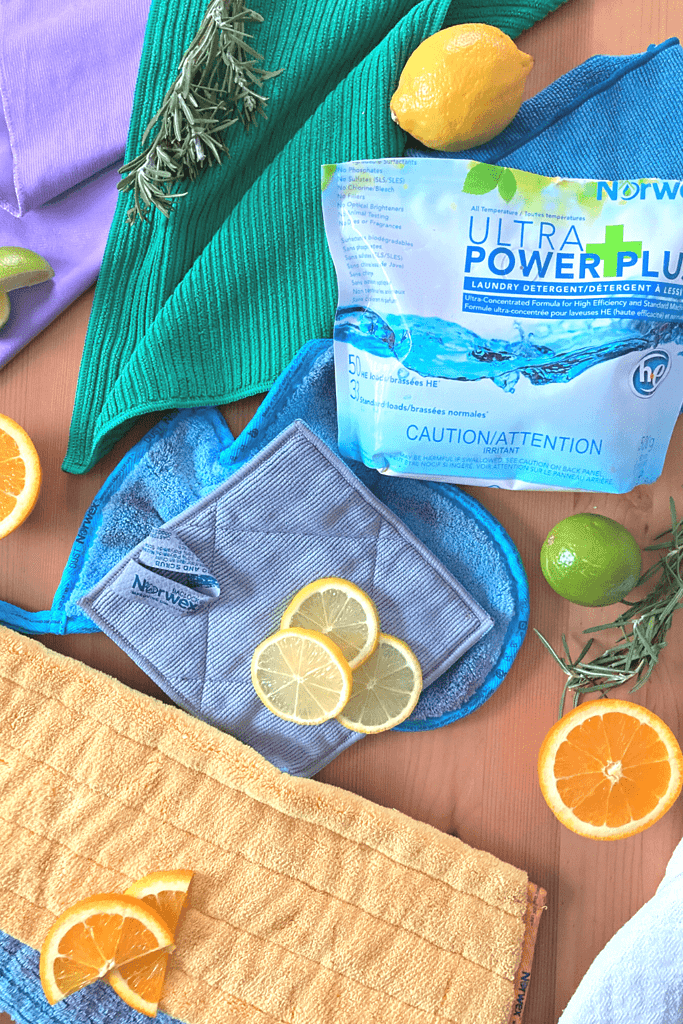
The set included the Norwex Envirocloth, the Norwex Kitchen cloths, the Norwex Dusting mitt, Norwex EnviroScrub, the Norwex Window cloth, and the Norwex Mop System, which included the Norwex Superior Dry Mop Pad and the Norwex Wet Mop Pad. Like I said, very generous!
After learning about Norwex’s cleaning philosophy, I was a bit skeptical. Really? You can clean with just water alone? This doesn’t feel right.

Why Proper Norwex Microfiber Care Matters
Understanding Norwex microfiber cloth care instructions is essential for maximizing your investment. Unlike regular microfiber, Norwex cloths contain BacLock™ technology that inhibits bacterial growth within the cloth. Improper washing can damage these specialized fibers and compromise their cleaning power.
When you follow the best way to clean Norwex cloths, you’ll experience:
- Extended cloth lifespan – properly maintained Norwex rags can last 2-5 years
- Optimal cleaning performance – clean fibers trap dirt and bacteria more effectively
- Odor prevention – regular washing prevents musty smells and bacterial buildup
- Cost savings – well-maintained cloths don’t need frequent replacement
- Better hygiene – knowing how to sanitize Norwex microfiber ensures a truly clean home
The Norwex microfiber vs regular microfiber cleaning difference is significant. Norwex fibers are 1/200th the size of a human hair, making them far more delicate than standard microfiber. This means they require gentler care to maintain their structure and effectiveness.
What makes Norwex Microfiber Cloths different?
The Norwex company practices a different form of cleaning. They educate their customers about the two most common cleaning methods – chemical and mechanical.
Most households practice the chemical cleaning method with the help of cleaning products. Norwex rejects the use of harmful chemicals. Instead, the company encourages the practice of mechanical cleaning.
Norwex ensures that with their microfiber science, water, and a little bit of elbow grease, any surface can be cleaned.
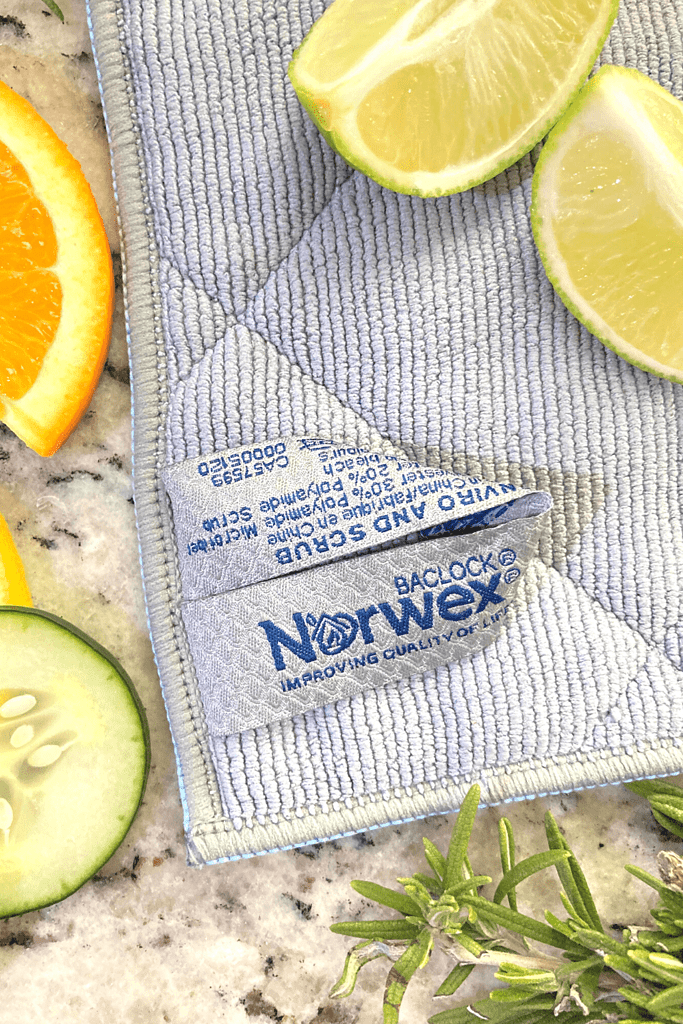
What are the Benefits of Cleaning with Norwex Rags?
- Save money on cleaning products: All you need to start cleaning your home is a Norwex rag and some water. Just think of all the cleaners under your kitchen sink that can all be removed from your future shopping lists!
- Save money on paper towels: Norwex Microfiber cloths are reusable and can be used for years to come with the proper care and appropriate laundering.
- Reduce exposure to harmful substances. This is a huge benefit for anyone with allergies or chemical sensitivities.
- Norwex’s Baclock technology comes with self-purifying properties. So less laundering for your cleaning rags and everyday products? Yes, please!
When is it Time to Clean My Norwex?
| Product | How Often | How to Clean |
| Norwex Microfiber – Low Bacteria | After each use | Hand wash with dish soap and warm water, rinse well, and hang to dry Launder weekly Deep clean every 6-12 months |
| Norwex Face Cloths (Body Pack cloths or makeup removal cloths) | After each use | Hand wash with dish soap and warm water, rinse well, and hang to dry Launder weekly Deep clean every 6-12 months |
| Norwex Kitchen Cloths or Counter Cloths | After each use | Hand wash with dish soap and warm water, rinse well, and hang to dry Launder every 2-3 days Deep clean every 6-12 months |
| Norwex Microfiber – High Bacteria | Immediately after use | Launder immediately |
| Norwex Dusting Mitt or Cloths for dusting | After each use | Use a rubber brush or hit on the deck rail after each use to rid of dust bunnies Launder every 2-3 months |
| Stinky & Smelly | When needed | Deep Clean |
| Dirty & Stained | When needed | Launder or Deep Clean |
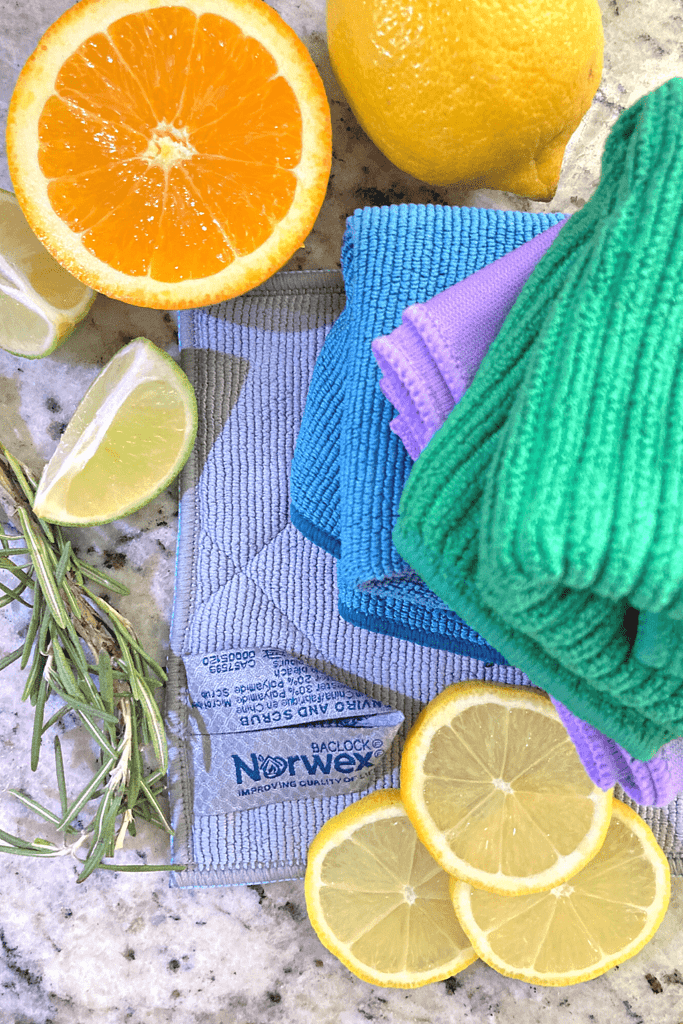
Best Way to Clean Norwex Cloths: Step-by-Step Instructions
Preparing Your Norwex Rags for Washing
Before you machine wash Norwex microfiber, proper preparation ensures the best results:
- Rinse immediately after use – rinse your Norwex cloths under warm running water to remove loose dirt and debris
- Separate by color – wash light and dark cloths separately to prevent color transfer
- Check for stains – pre-treat heavily soiled areas with a small amount of Norwex laundry detergent or dish soap
- Remove excess moisture – wring out cloths thoroughly before placing them in the washing machine
For the Norwex window cloth, shake it vigorously outside to remove dust particles before rinsing. Understanding how to wash Norwex window cloth properly prevents streaking issues that can occur when dirt becomes embedded in the fibers.
Choosing the Right Water Temperature
Water temperature is crucial when learning how to wash Norwex microfiber rags effectively:
- Hot water (140°F/60°C or higher) – ideal for deep cleaning and sanitizing
- Warm water – suitable for regular weekly washing
- Cold water – only for lightly soiled cloths or delicate colors
Hot water helps break down oils and grime while activating the cleaning process. This is particularly important for kitchen cloths that encounter grease. If you’re wondering how to clean greasy Norwex cloths, hot water washing is your best solution.
How Often to Clean Norwex Microfiber Rags
The frequency of washing depends on usage:
Daily-Use Kitchen Cloths:
- Rinse thoroughly after each use
- Machine wash every 2-3 days
- Deep clean (boiling) monthly
Bathroom Cleaning Cloths:
- Rinse after each cleaning session
- Machine wash weekly
- Deep clean every 2-3 weeks
Window and Dusting Cloths:
- Shake out after each use
- Machine wash every 1-2 weeks
- Deep clean every 2 months
Lightly Used Cloths:
- Rinse after use
- Machine wash every 2-3 weeks
- Deep clean quarterly
Signs your Norwex cloths need immediate washing:
Less effective cleaning
Visible dirt or stains
Musty or sour odor
Reduced absorbency
Norwex microfiber rug cleaning instructions by hand:
Norwex Cloths / Face Cloths:
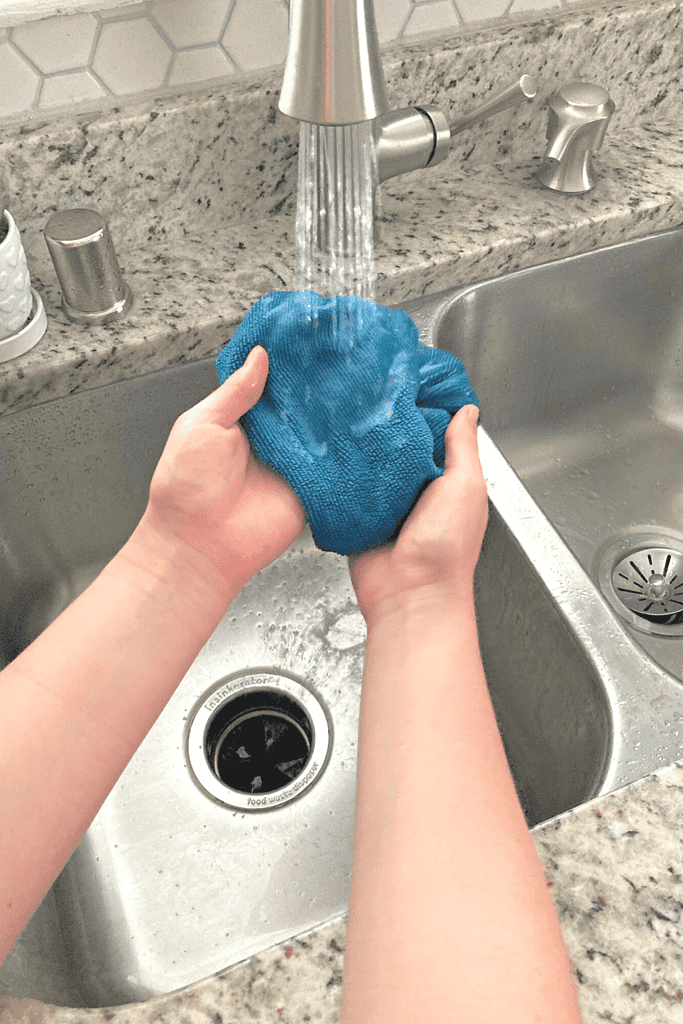
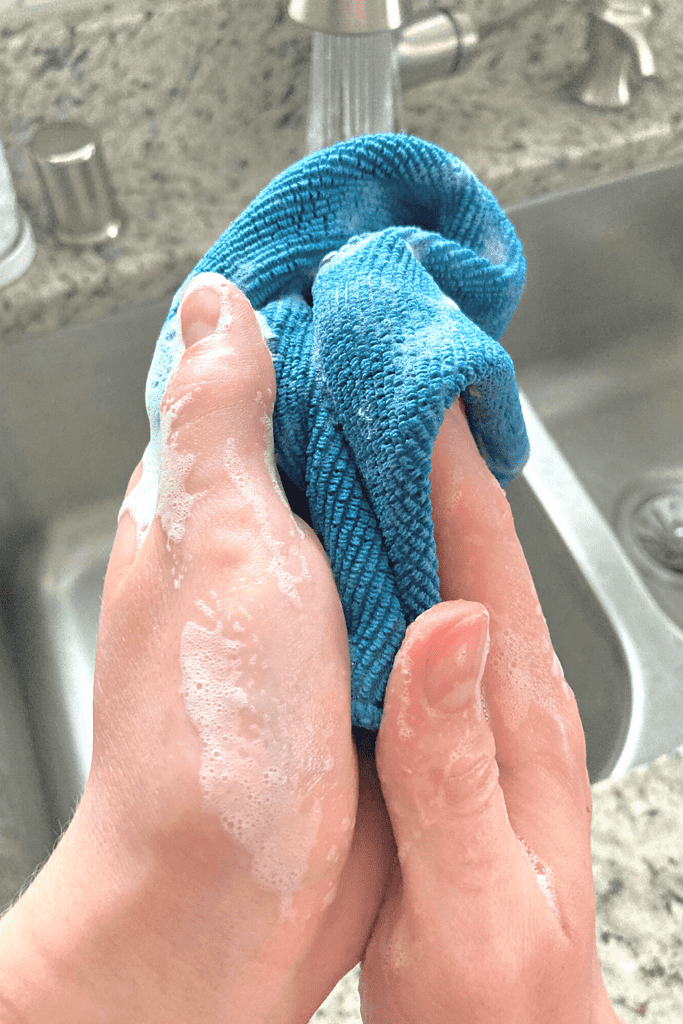
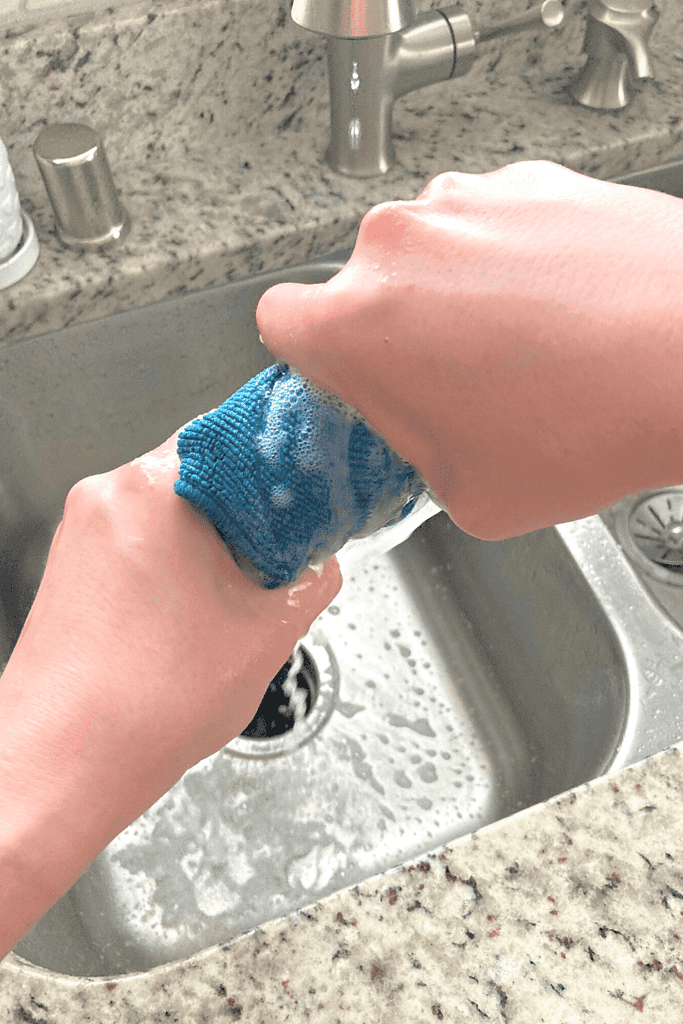
- Rinse with warm running water and put a drop of dish soap, like Dawn, onto the cloth.
- Use a little friction to agitate the fibers. This will release some of the dirt and debris.
- Thoroughly rinse again with warm water and ring out any excess water.
- Lastly, hang to dry until the next use.
Norwex Dusting Mitt / Dry Mop Pad:
- Take the Norwex Rubber Brush and brush away dust bunnies. (This will also recharge the fibers!)
- If you don’t have the rubber brush like me, hit the mitt or pad against the deck rail. This will get the job done!
Machine Washing Norwex Microfiber: Do’s and Don’ts
Can you machine wash Norwex microfiber? Absolutely! Here’s how to do it correctly:
DO:
- Use hot water for the best cleaning results
- Wash with other microfiber cloths or lint-free items
- Use a small amount of low-sudsing detergent
- Run an extra rinse cycle to remove all detergent residue
- Wash Norwex cloths at least once per week
DON’T:
- Overload the washing machine – cloths need room to agitate
- Mix with towels, cotton items, or anything that produces lint
- Use bleach, which damages the microfiber structure
- Add fabric softener (more on this critical mistake below)
- Wash brand new Norwex cloths with older ones initially
For those wondering how to clean Norwex window cloth specifically, follow the same machine washing guidelines but consider washing it separately to prevent any lint transfer from other cleaning cloths.
Launder Cleanings:
After a week’s worth of cleaning, it is time to launder your Norwex cleaning products. A few rules when it comes to cleaning your Norwex rags in the washing machine.
- No fabric softener or dryer sheets
- No bleach
- No linty loads (no to terry towels)
Now you may be asking, why? Let me explain.
- Fabric softeners and dryer sheets are not recommended because they leave a coating on the fibers. This inhibits the fibers to trap as much dirt and grim.
- Bleach is also not recommended because it can damage the microfibers, also reducing their ability to effectively clean.
- Norwex Microfibers are very good at collecting lint, especially when dry. Dry your Norwex rags in a lint-free laundry load to avoid a plethora of lint on your rags.
How to wash Norwex window cloth in the Washing Machine:
- Pour an eco-friendly, non-filler, non-fragrance laundry detergent into the washer drum.
- Norwex liquid laundry detergent: 2 pumps for high efficiency / 3 pumps for regular washer
- Norwex powder laundry detergent: 1 tsp in high efficiency / 1 scoop for regular washer
- Add Norwex cleaning products into the washer and run the cycle on hot like normal.
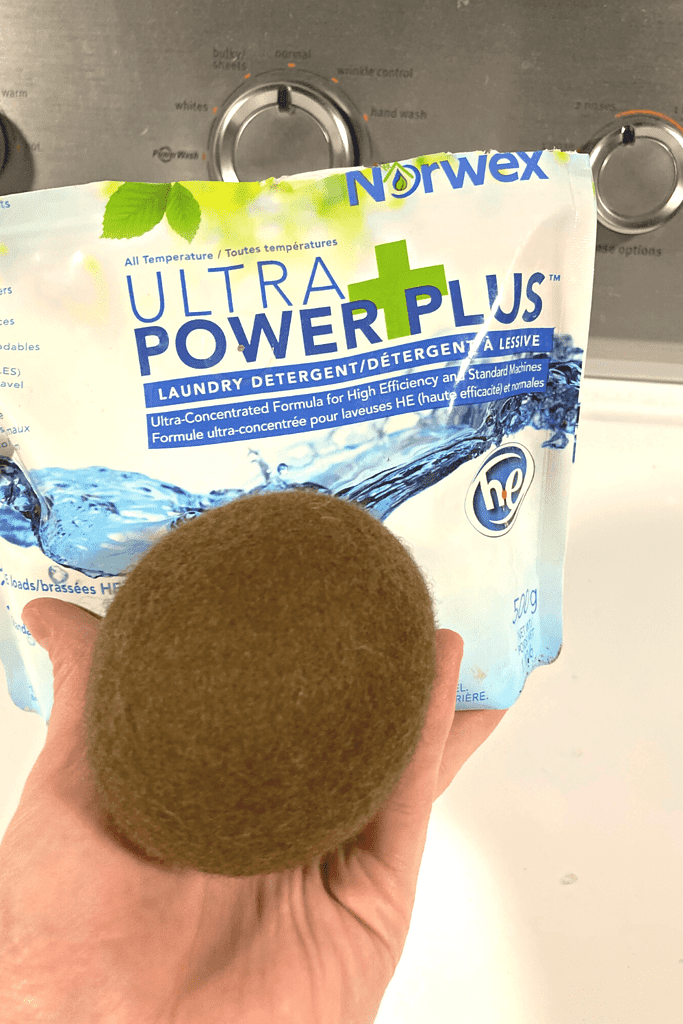
- After the rags have been washed, dry them in the dryer with dryer balls.
Can I use regular laundry detergent?
That depends. If you are using a top-selling liquid detergent, powder, or pod, then the answer is most likely no. Most of those are full of fillers and chemicals that clog the fibers.
Instead, Norwex recommends using a laundry detergent that doesn’t contain fillers, is highly concentrated, dissolves easily, and rinses out fully. Conveniently, Norwex sells its own laundry detergent, Ultra Power Plus, that meets all of these needs.
Some great substitutes are Seventh Generation Ultra Power Plus, Rosey’s by Thrive Market, and Molly’s Suds. I have been using Molly’s Suds since our daughter was born and have been so impressed! Our clothes are so clean and her skin has never had a reaction. Plus, I love the mission behind the company.
Deep Cleanings:
Deep cleaning for Norwex rags should be done every 6 months, or after a dirty job, like washing outdoor windows or outdoor furniture, or if your rags become stained.
Think of it like your teeth. We brush every day, but we go to the dentist 2x a year for a deep clean. The same is needed for your Norwex cleaning products.
Doing a deep clean extends the life of your Norwex products.
How to Deep Clean Norwex Rags:
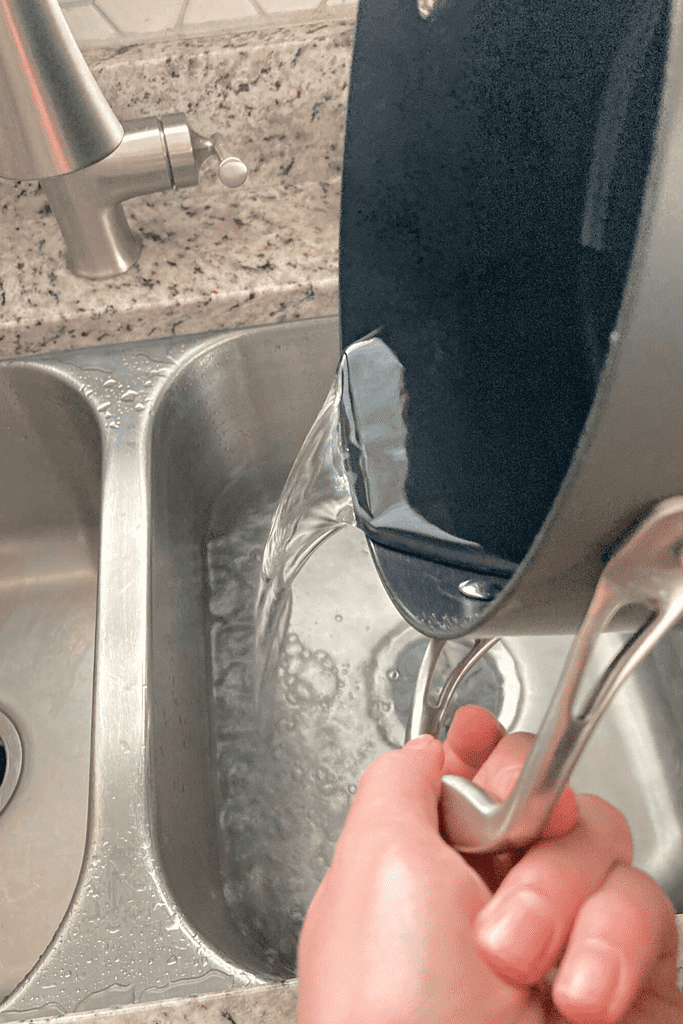
- Bring a large pot of water just before boiling (where you can see tiny bubbles on the bottom of the pot).
- Plug up 1 or both sides of your sink. I would only soak 10-15 items per sink. (You could do this in a bucket or the bathtub as well!)
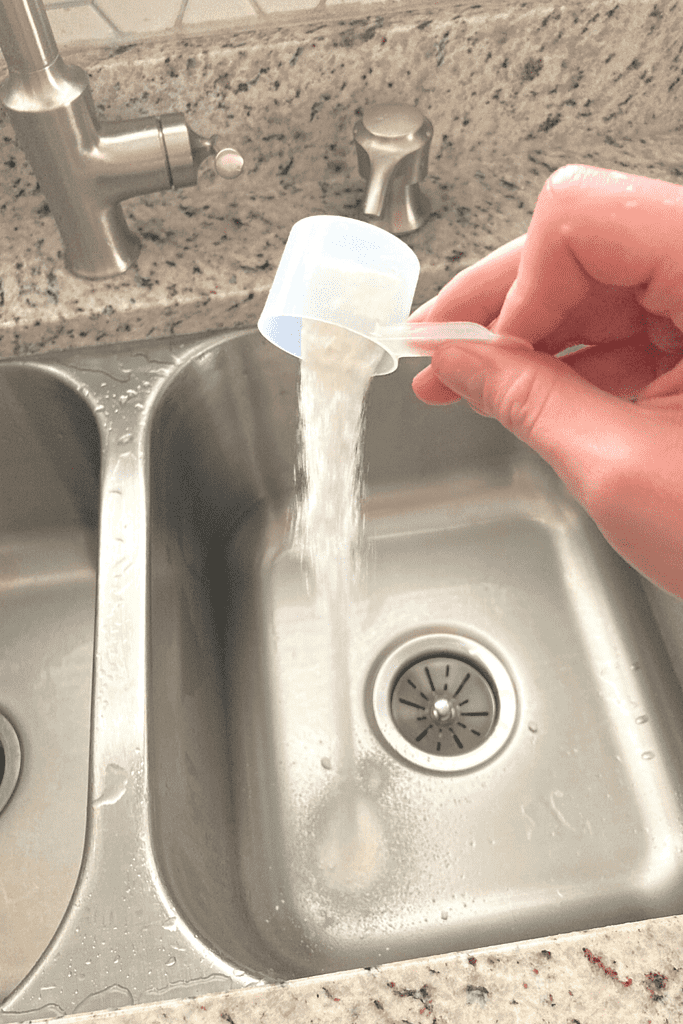
- Pour 1 scoop of enzyme powder into the sink, like Norwex’s Microfiber Cleaner Laundry Booster.
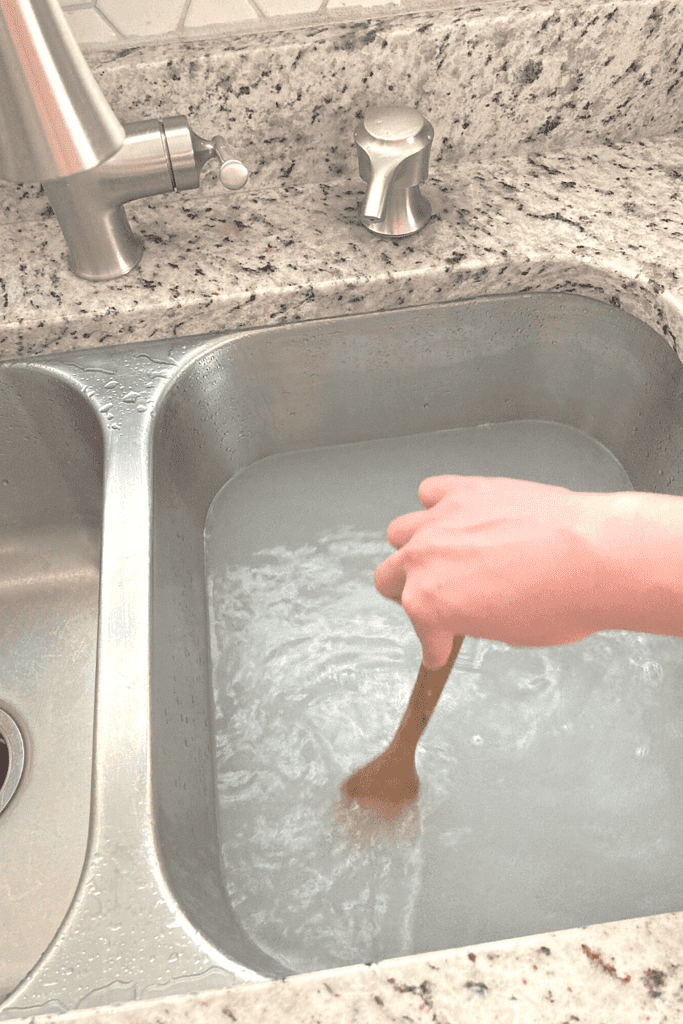
- Carefully add the pot of hot water to the sink. Mix with a wooden spoon until combined.
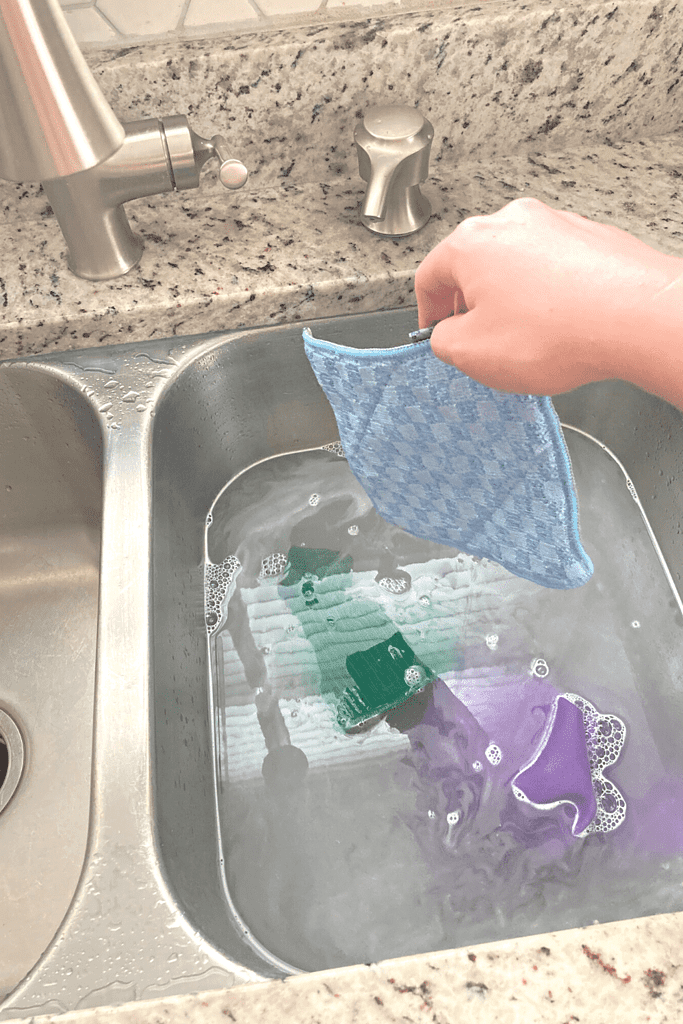
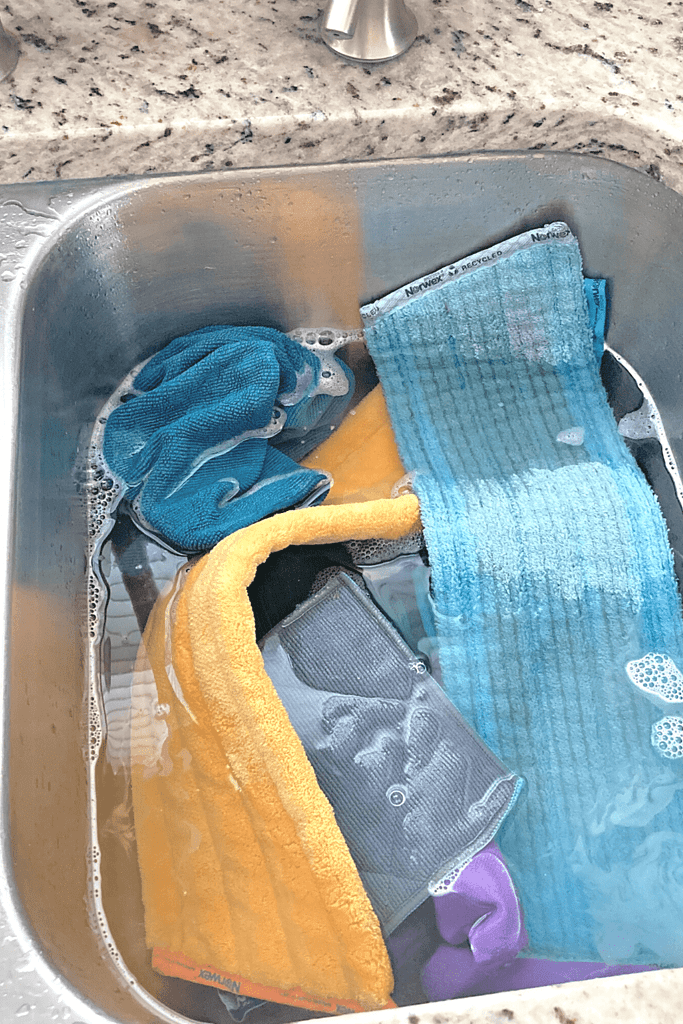
- Drop all Norwex cleaning cloths, face cloths, and mop pads into the hot water.
- Take a wooden spoon to mix and move the clothes in the hot water. This helps the enzymes to start breaking down some of that gunk.
- Soak the dirty rags for at least 30 minutes.
- After 30 minutes, ring out each item really well and put it in a bowl (The water will stink and look very dirty – lots of dirt and debris – one step close to cleaner rags! You can do the above steps a second time if needed)
Next, you have 2 options:
Option 1: Machine wash, then dry.
- Scoop about 1-2tsp (depending on how many items you are washing) of Norwex Ultra Power Plus laundry detergent into the drum of the washer.
- Place Norwex cloths in the washer on top of the powder.
- Run on high efficiency on hot.
- After, put the Norwex Microfiber rags into the dryer on high.
Option 2: Skip the machine wash and head straight to the dryer.
- Put Norwex cleaning products in the dryer straight away on high.
How to Clean Norwex Rags with Hard Water:
- Use a spray bottle of distilled water for cleaning (rather than using your tap water)
- Add 1/4 cup of white vinegar to your microfiber loads
- If you have a standard washing machine, the Norwex Magnet Ball can help decrease the effects of hard water. The magnetic ball pulls all the calcium deposits and minerals toward the center of the ball during the wash cycle.
What Can I Use to Clean Norwex Rags?
| Dawn dish soap | Yes | But use sparingly and rise out well. If left on, the silver’s effectiveness will reduce at killing bacteria. |
| Vinegar | Yes | |
| Baking soda | Yes | |
| Bleach | No! | Bleach degrades the fibers, causing the cloth to not clean as efficiently. |
| Fabric softener | No! | Fabric softener leaves a coating on the fibers. Use vinegar instead. |
| Laundry Detergent | Depends | Laundry detergent full of fill, fragrances, and dies will leave a coating on the fibers. Instead, use a laundry detergent without fillers, fragrances, or dies. |
| Dryer Sheets | No! | Dryer sheets leave a coating on the fibers. Use a dryer ball instead. |
| Tide Pods | No! | Laundry detergent pods leave a coating on the fibers. |
How to Remove Odors from Norwex Microfiber
Even with regular washing, you might notice your cloths developing a musty smell. Here’s how to remove odors from Norwex microfiber effectively:
White Vinegar Soak:
- Fill a basin with hot water
- Add 1/4 cup white vinegar
- Submerge cloths and soak for 30-60 minutes
- Wring out and machine wash as normal
Baking Soda Treatment: Add 1/4 cup baking soda to your washing machine along with your regular detergent. This Norwex microfiber cleaning hack neutralizes odors naturally without damaging fibers.
Deep Cleaning for Stubborn Odors: If you’re dealing with persistent smells, try how to clean Norwex cloths in boiling water with a tablespoon of washing soda. This combination breaks down buildup that causes odors.
Common Norwex Microfiber Washing Mistakes to Avoid
Understanding Norwex microfiber cloth washing mistakes helps you avoid damaging your investment:
Using Fabric Softener (Why It Ruins Norwex)
This is the most critical mistake to avoid. Fabric softener coats microfiber with a waxy film that:
- Blocks the fibers’ ability to trap dirt and bacteria
- Makes cloths repel water instead of absorbing it
- Requires extensive rehabilitation or replacement
- Voids any warranty on your Norwex products
If you’ve accidentally used fabric softener, boil your cloths 2-3 times and wash with washing soda to attempt removal of the coating.
Washing with Lint-Producing Items
Never wash Norwex cloths with:
- Cotton towels
- Fleece items
- New clothing
- Anything with loose fibers
Lint becomes embedded in microfiber and significantly reduces cleaning effectiveness. This is one of the most important aspects of how to prevent lint on Norwex rags.
Over-Drying Your Cloths
High heat and over-drying cause:
- Fiber breakdown and reduced lifespan
- Loss of absorbency
- Stiffness and reduced effectiveness
- Permanent damage to BacLock™ technology
Always opt for low heat or air drying to preserve your cloths.
Additional Mistakes:
- Using too much detergent (causes residue buildup)
- Skipping the rinse cycle (leaves soap in fibers)
- Storing damp cloths (promotes mildew and odors)
- Waiting too long between washes (allows bacteria growth)
Norwex vs Regular Microfiber: Cleaning Differences
The Norwex microfiber vs regular microfiber cleaning comparison reveals why specialized care matters:
Fiber Quality:
- Norwex: 1/200th the width of a human hair
- Regular microfiber: 1/100th to 1/16th the width
Cleaning Capability:
- Norwex: Removes up to 99% of bacteria with water alone
- Regular microfiber: 70-80% cleaning effectiveness
Durability:
- Norwex: 2-5 years with proper care
- Regular microfiber: 6 months to 2 years
BacLock™ Technology:
- Norwex: Contains silver-based antibacterial agent
- Regular microfiber: No built-in antibacterial properties
These differences explain why Norwex microfiber rug cleaning instructions and cloth care require more attention than standard microfiber maintenance.
The Correct Way to Clean Norwex Cloths: Step-by-Step Guide
Daily Norwex Care After Each Use
After using your Norwex EnviroCloth, window cloth, or kitchen towel:
- Rinse thoroughly under warm running water
- Wring out excess water completely
- Hang to air dry or lay flat
- Ensure proper air circulation to allow the BacLock technology to self-purify
Weekly Norwex Washing Instructions
Materials Needed:
- Norwex Ultra Power Plus detergent or microfiber-safe detergent
- Washing machine
- No fabric softener
- No dryer sheets
Step-by-Step Norwex Washing Process:
- Pre-rinse heavily soiled Norwex cloths under warm water to remove excess dirt and debris
- Load the washing machine with Norwex microfiber products only (separate from regular laundry)
- Add detergent – Use only 1-2 tablespoons of Norwex Ultra Power Plus or microfiber-safe detergent (less is more with microfiber)
- Select wash settings – Use warm or hot water (not exceeding 140°F/60°C) with a regular or heavy-duty cycle
- Skip fabric softener – Do not add any softening agents to the rinse cycle
- Dry properly – Tumble dry on low to medium heat, or air dry by hanging or laying flat
- Remove promptly – Take cloths out of the dryer while slightly damp to prevent heat damage
Monthly Deep Cleaning for Norwex Products
For deep cleaning and restoring your Norwex microfiber cloths, use the boiling method once a month or as needed:
Norwex Boiling Method:
- Fill a large pot with enough water to submerge your Norwex cloths
- Bring water to a rolling boil
- Add Norwex cloths to boiling water (no detergent needed)
- Boil for 10 minutes, stirring occasionally
- Remove carefully with tongs and allow to cool
- Rinse with cool water
- Air dry or tumble dry on low heat
This deep cleaning method removes built-up residue, kills bacteria, and refreshes the microfibers without damaging the BacLock silver technology.
How to Dry Norwex Microfiber Properly
Knowing how to dry Norwex microfiber properly is just as important as washing:
Air Drying (Recommended):
- Hang cloths on a drying rack or clothesline
- Ensure good air circulation to prevent mildew
- Keep out of direct sunlight, which can fade colors
- Allow 4-6 hours for complete drying
Machine Drying:
- Use low heat only (high heat damages fibers)
- Remove cloths while slightly damp to prevent over-drying
- Don’t use dryer sheets or fabric softener
- Clean your lint trap before drying to prevent lint transfer
Air drying is gentler on the fibers and extends cloth life. However, if you’re short on time, low-heat tumble drying won’t harm your Norwex cloths when done occasionally.
Best Detergents for Washing Norwex Microfiber Cloths
Recommended Norwex-Safe Detergents:
Top Choice:
- Norwex Ultra Power Plus Laundry Detergent – Specifically formulated for microfiber products, eco-friendly, ultra-concentrated
Alternative Options:
- All Free Clear (no dyes or fragrances)
- Seventh Generation Free & Clear
- Tide Free & Gentle
- Method Free + Clear
- Charlie’s Soap Laundry Powder
Detergents to Avoid:
- Any detergent with fabric softener built-in
- Products with added fragrances or dyes
- Detergents with bleach or whitening agents
- Liquid fabric softeners
- Powder detergents with heavy fillers
How to Clean Norwex Cloths Without Norwex Detergent:
If you don’t have access to Norwex-branded products, safe products to clean Norwex microfiber rags include:
- Dish soap method – Add just a few drops of dish soap (Dawn or similar) to hot water and hand wash
- Washing soda – Use 1-2 tablespoons in your washing machine for deep cleaning
- Plain hot water – For lightly soiled cloths, hot water alone can be sufficient
The key is avoiding products with additives, fragrances, or conditioners that coat the fibers.
How to Restore Norwex Cloths That Have Been Damaged
If you’ve accidentally washed your Norwex microfiber cloths with fabric softener or regular detergent and they’ve lost their effectiveness, don’t panic. Try this Norwex restoration method:
Norwex Cloth Restoration Process:
- Wash the affected cloths 2-3 times using only water (no detergent)
- Perform the boiling method described above
- Wash once more with a small amount of Norwex Ultra Power Plus
- Dry on low heat or air dry
- Test the cloth’s effectiveness by cleaning a surface with just water
This process can remove built-up residue and restore much of the cloth’s original cleaning power, though severely damaged cloths may not fully recover.
Norwex Cleaning Schedule for Maximum Longevity
Following a consistent cleaning schedule ensures your Norwex products remain effective:
- After each use: Rinse and hang to dry
- Every 3-4 uses: Light wash in washing machine
- Weekly: Full wash cycle with proper detergent
- Monthly: Deep clean using boiling method
- As needed: Restoration wash if cloths seem less effective
Signs Your Norwex Cloths Need Replacing
Even with proper care, Norwex microfiber cloths eventually wear out. Replace your cloths when you notice:
- Visible tears, holes, or fraying edges
- Persistent odors even after deep cleaning
- Reduced absorbency that doesn’t improve with boiling
- Loss of cleaning effectiveness
- Discoloration that won’t wash out
- Microfibers feel rough or scratchy instead of soft
Most Norwex cloths last 2-5 years with proper care, and many come with a 2-year warranty.
Specific Care Instructions for Different Norwex Products
Norwex EnviroCloth Care
The EnviroCloth is Norwex’s most popular all-purpose cleaning cloth. Wash every 3-4 uses, rinse thoroughly after cleaning kitchen surfaces, and perform monthly deep cleaning.
Norwex Window Cloth Care
Window cloths should be washed separately from heavily soiled items. Avoid using them on greasy surfaces, and wash after every 5-6 uses for streak-free shine.
Norwex Kitchen Cloth and Towel Care
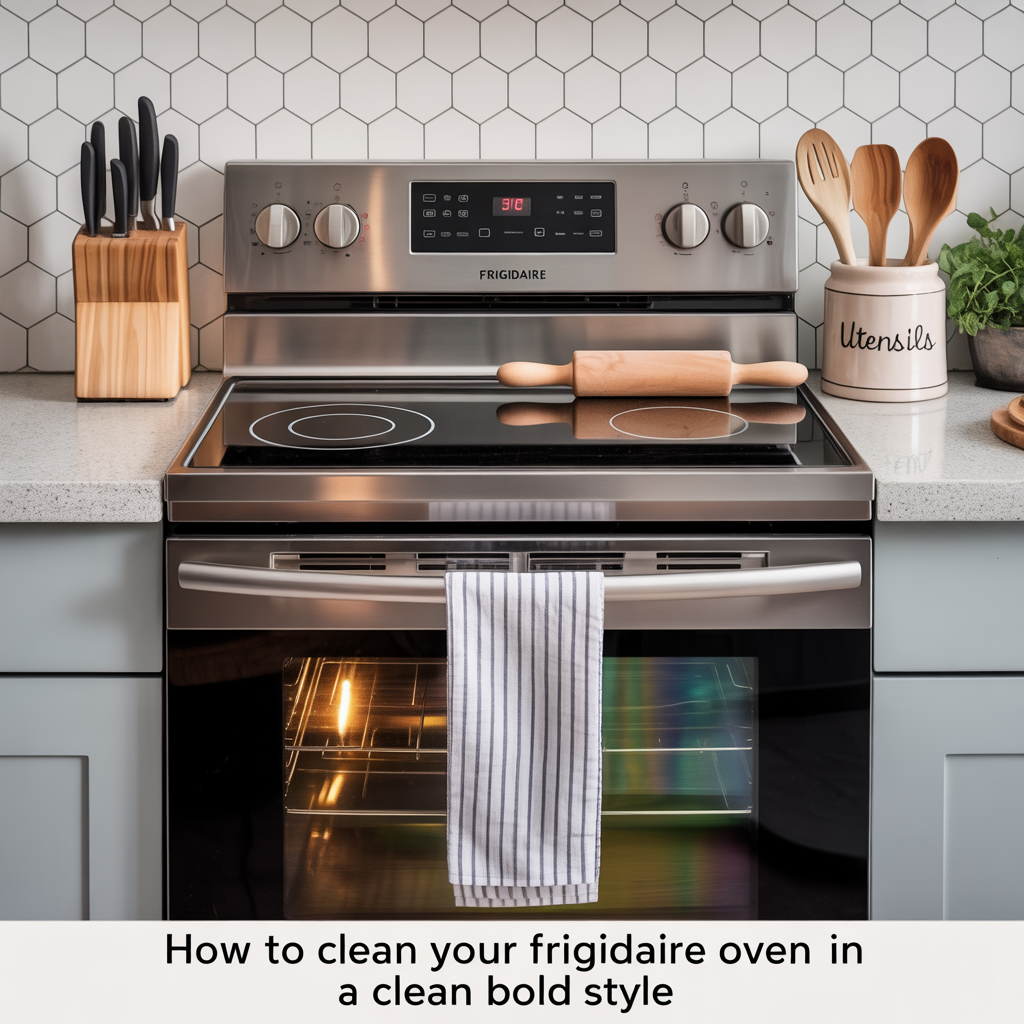
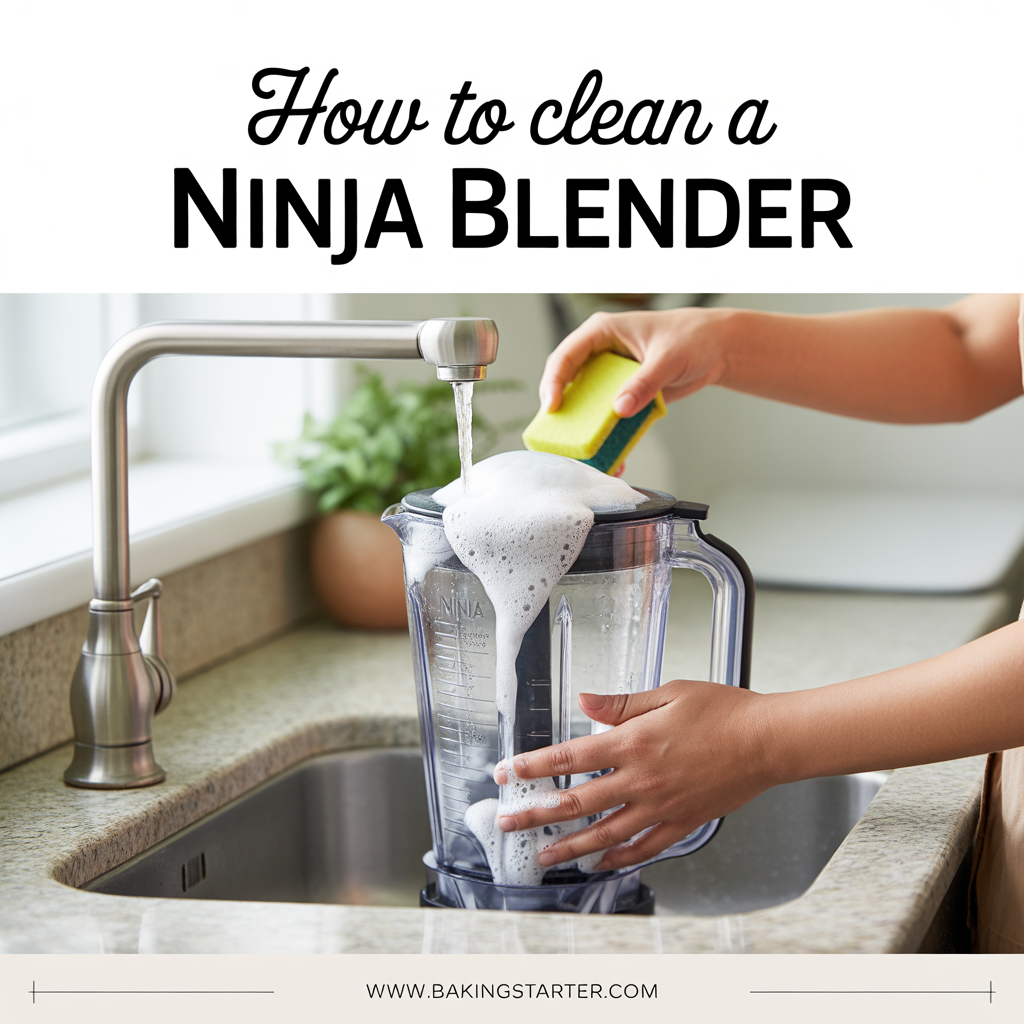
Kitchen products require more frequent washing due to food contact. Wash after each use or daily, and deep clean weekly using the boiling method. Speaking of kitchen cleaning, maintaining your appliances is just as crucial. Learn how to clean a Ninja blender for spotless kitchen equipment, and don’t forget to check out our guide on how to clean a Frigidaire oven to keep your entire kitchen in top condition.
Norwex Mop Pad Cleaning
Mop pads collect more dirt and require special care. Pre-rinse thoroughly, wash after each use on warm setting, and deep clean monthly.
Norwex Body Cloth Care
Body and face cloths need gentle care. Wash after 3-4 uses, use delicate cycle if available, and air dry to maintain softness.
Money-Saving Tips for Norwex Owners
Proper Norwex care saves money by extending cloth lifespan:
- Buy Norwex Ultra Power Plus in bulk for better value
- Rotate multiple cloths to reduce wear on individual pieces
- Use the boiling method instead of replacing cloths prematurely
- Follow the care instructions exactly to maintain warranty coverage
- Air dry when possible to reduce energy costs and extend cloth life
The Bottom Line: Proper Norwex Cleaning Extends Your Investment
Norwex microfiber cleaning cloths represent a significant investment in eco-friendly, chemical-free cleaning. By avoiding fabric softener, using the right detergent, washing at proper temperatures, and performing monthly deep cleaning, you’ll preserve the BacLock antimicrobial technology and keep your Norwex products working effectively for years.
Remember the golden rules of Norwex care: no fabric softener ever, use minimal low-residue detergent, wash separately from lint-producing fabrics, and deep clean monthly with the boiling method. Follow these Norwex cleaning instructions, and your microfiber cloths will continue delivering superior cleaning performance while saving you money on chemical cleaners and paper towels.
For more detailed information, check out our comprehensive guide on. And while you’re maintaining a clean home, don’t miss our other essential cleaning guides including how to clean a Ninja blender and how to clean a Frigidaire oven.
Ready to get the most from your Norwex investment? Start implementing these proper cleaning techniques today and experience the difference that well-maintained microfiber products can make in your chemical-free cleaning routine.
What Can I Use to Clean Norwex Rags?
| Dawn dish soap | Yes | But use sparingly and rise out well. If left on, the silver’s effectiveness will reduce at killing bacteria. |
| Vinegar | Yes | |
| Baking soda | Yes | |
| Bleach | No! | Bleach degrades the fibers, causing the cloth to not clean as efficiently. |
| Fabric softener | No! | Fabric softener leaves a coating on the fibers. Use vinegar instead. |
| Laundry Detergent | Depends | Laundry detergent full of fill, fragrances, and dies will leave a coating on the fibers. Instead, use a laundry detergent without fillers, fragrances, or dies. |
| Dryer Sheets | No! | Dryer sheets leave a coating on the fibers. Use a dryer ball instead. |
| Tide Pods | No! | Laundry detergent pods leave a coating on the fibers. |
FAQs
How often should I wash my Norwex microfiber cloths?
For everyday use, most cloths should be laundered about once a week, while kitchen and high‑bacteria cloths may need washing every 2–3 days. Rinse well and hang to dry between washes so BacLock can do its job.
Can I use regular laundry detergent?
Yes, as long as it is free from fillers, dyes, fragrances, fabric softeners, and bleach, which can coat and clog the fibers. A “free & clear” or cloth‑diaper–safe style detergent usually works well in place of Norwex detergent.
Do I need to use hot water?
Hot water is recommended for machine washing and for occasional deep soaks because it helps open the fibers and release trapped grime and oils. You can use warm or cold for regular loads, but hot cycles generally keep microfiber performing at its best.
What should I avoid when washing Norwex cloths?
Avoid fabric softener, dryer sheets, and bleach, since they leave residues or damage the fibers. Also skip washing with very linty items like cotton towels, which can leave your microfiber covered in fuzz.
How do I know when it’s time to deep clean?
If your cloths start to smell sour, feel stiff or slimy, or stop absorbing and cleaning as well, it’s time for a deep soak. A hot‑water soak with a dedicated microfiber booster or a strong, clean‑rinsing detergent helps strip built‑up residues so they work like new again.
Happy Norwexing!