How To Clean Out Closet Step by Step — The Ultimate Guide
Drowning in clothes you never wear? You’re not alone. A cluttered closet can make getting dressed feel like a daily battle, wasting your time, energy, and peace of mind. Learning how to clean out closet spaces effectively is a game-changer. In this article, I’ll walk you through a simple, step-by-step process to sort, declutter, and organize your wardrobe like a pro. From deciding what stays to smart storage tips, you’ll finally create a closet that works for you, not against you. Let’s dive in!
Closets are notorious for being the catch-all space. Simply toss in those unfolded clothes, kick in today’s shoes, and slam the door shut. Out of sight, out of mind, right?
But as one of the most visited places in anyone’s living space – large or small, a closet is a part of everyone’s daily routine. Just think about it, at least once, sometimes multiple times a day, we visit our closets.
Yet, even being such a vital element of our lifestyle, dust, and clutter collect, while the door seems more difficult to shut.
It is important to establish a closet system that works for us, not against us. One that is organized, accessible, and most importantly, clean!
Here you will find a clean-out guide on how you can take your dusty, unorganized, and overstuffed closet and transform it to give it the fresh start that it deserves.
Pin for Later!
Cleaning Your Closet Space:
Before you even think about sorting clothes or buying cute storage bins, there’s an essential first step most people skip: actually cleaning the closet itself. Dust bunnies, cobwebs, scuff marks, and mysterious sticky spots your closet has been hiding all of it behind your hanging clothes for months (or years).
A proper closet clean out begins with a clean, fresh space. Think about it what’s the point of organizing your favorite wardrobe pieces and placing them back into a dirty, dusty environment? If you want to know the best way to clean out closet spaces that truly lasts, it starts from the walls, floors, and shelves before a single garment goes back inside.
When you learn how to deep clean closet spaces properly, you’re not just improving aesthetics. You’re also eliminating allergens, preventing moth and pest infestations, removing mildew, and protecting the longevity of your clothing and accessories. This is especially important if you’re doing a how to clean out closet for spring cleaning overhaul, when dust and winter grime have been accumulating for months.
A clean closet also gives you a blank canvas. Once everything is fresh and spotless, you can see the space clearly every shelf, every corner, every square inch of potential. That clarity makes the organizing phase infinitely easier.
Simple Tips for Success:
Before you dive in headfirst, here are some practical closet cleaning tips USA homeowners and renters swear by. These will save you time, frustration, and the temptation to shove everything back in and slam the door shut.
1. Set a Timer
If the thought of a full cleanout feels paralyzing, set a timer for 60–90 minutes. You’ll be amazed at how much you can accomplish with focused effort. Wondering how to clean out closet quickly and easily? A timer is your secret weapon.
2. Work in Phases
You don’t have to do everything in one day. Break it into phases Day 1: Clean. Day 2: Declutter. Day 3: Organize. This is especially helpful if you’re figuring out how to clean out closet for small spaces where you can’t spread everything out at once.
3. Enlist Help
Grab a honest friend or family member. They’ll tell you the truth about that jacket you’ve been “saving” since 2016. This is especially useful if you’re learning how to clean out closet kids room spaces, where little ones may need gentle guidance on letting go.
4. Have a Plan for Discards
Before you start, know where unwanted items are going donation center, consignment shop, trash, or a friend. Having a plan removes decision fatigue in the moment.
5. Play Music or a Podcast
Make it enjoyable! A closet cleanout doesn’t have to be a chore. Turn it into “me time” with great background entertainment.
6. Take Before and After Photos
This isn’t just for social media. Seeing your progress is incredibly motivating and will help you maintain the results long-term.
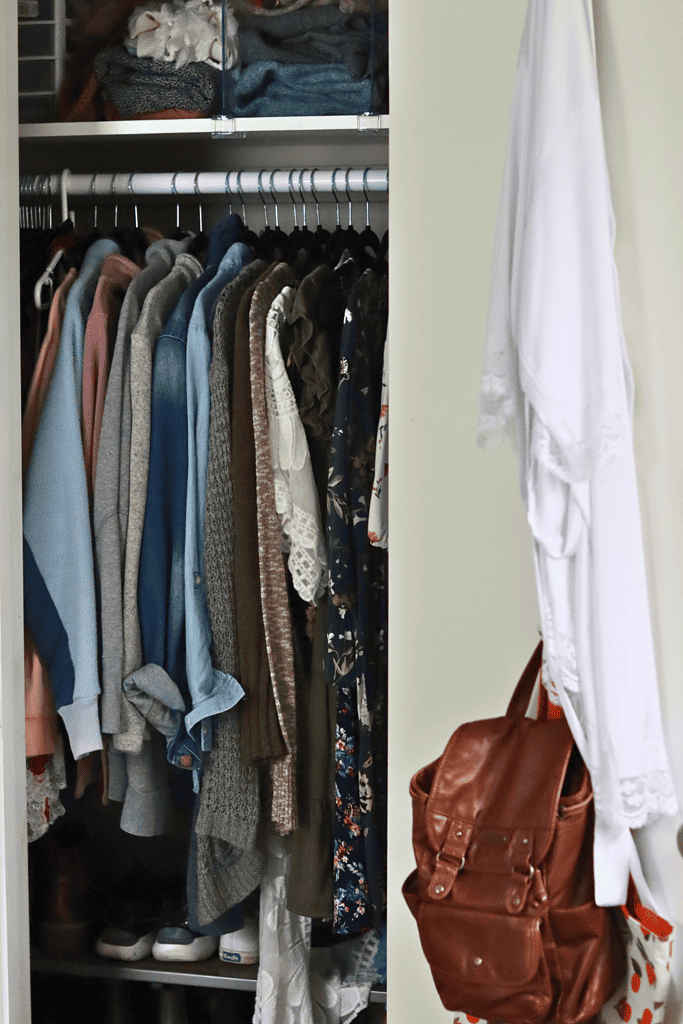
Preparation:
Proper preparation is the difference between a successful closet cleanout and an abandoned mess on your bedroom floor. Here’s how to set yourself up for a smooth process.
Clear Your Schedule
Block out at least 2–4 hours of uninterrupted time. If you’re tackling a how to clean out closet before moving situation, you may need a full day or even a weekend, depending on how much you’ve accumulated.
Clear a Staging Area
You need space to work. Clear your bed, a section of your bedroom floor, or even use a hallway. You’ll be pulling everything out of the closet, so you need room to sort.
Gather Trash Bags and Boxes
Label them in advance: Keep, Trash, Donate, Sell, Maybe. This makes sorting faster and keeps you from second-guessing every decision.
Check the Weather and Your Calendar
If you plan to how to clean out closet and donate items the same day, make sure donation centers are open. If you’re cleaning shelves and floors, crack a window for ventilation.
Set Your Intention
Ask yourself: What do I want this closet to look and feel like when I’m done? Maybe you want to how to clean out closet and maximize space for a growing wardrobe. Maybe you want minimalist simplicity. Having a clear vision keeps you focused.
Needed Supplies:
Every great project starts with the right tools. Here’s what you’ll need for the cleaning phase of your closet clean out:
| Supply | Purpose |
|---|---|
| Microfiber cloths | Dusting shelves, rods, and surfaces |
| All-purpose cleaner | Wiping down walls, baseboards, and doors |
| Vacuum with attachments | Cleaning floors, corners, and shelf surfaces |
| Step stool or small ladder | Reaching top shelves and light fixtures |
| Duster with extendable handle | Cobwebs and high corners |
| Broom and dustpan | Quick floor sweep before mopping |
| Mop or Swiffer | Hard floor deep clean |
| Wood polish (if applicable) | Wooden shelves or closet furniture |
| Trash bags | Collecting dust, debris, and discarded items |
| Bucket of warm soapy water | Baseboards and door cleaning |
| Magic Eraser | Scuff marks on walls and doors |
| Disinfectant spray | Killing germs and eliminating odors |
Pro Tip: If you’re wondering how to clean out closet furniture like built-in dressers, shelf units, or shoe racks, wood polish and a gentle cleaner will restore them beautifully without damaging the finish.
How to Clean a Closet:
Now we get into the hands-on work. Here’s exactly how to deep clean closet spaces from top to bottom literally. Always work from the highest point downward so dust and debris fall to areas you haven’t cleaned yet.
Step Zero: Empty Everything
Before you clean a single surface, remove everything from the closet. Every hanger, every shoe, every storage bin, every forgotten shopping bag. Pile it all in your staging area. This is a non-negotiable step in learning how to clean out closet clothes and the space itself simultaneously.
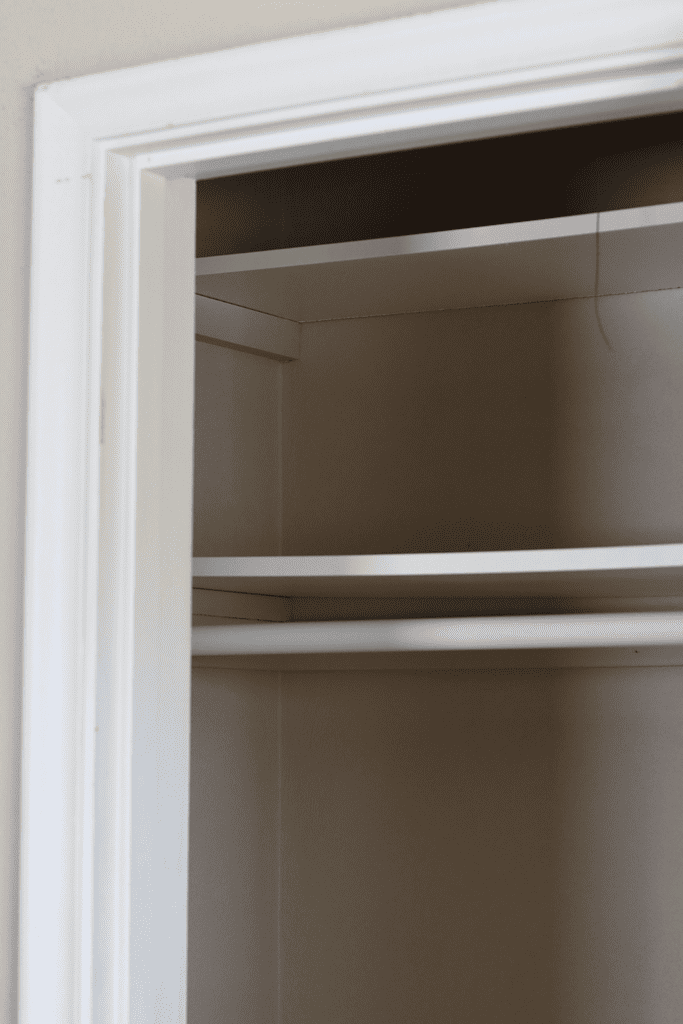
Clean Light Fixtures and Top Shelves:
Start at the very top. Using your step stool and extendable duster, remove cobwebs from ceiling corners and clean any closet light fixtures. Wipe the light cover or bulb gently with a dry microfiber cloth (make sure the light is off and cool first).
Next, tackle the top shelves. These are notorious dust collectors, especially if you store items up there that rarely move. If you’re figuring out how to clean out closet shelves, here’s the process:
For wire shelving, use a damp cloth to wipe each wire dust loves to settle in those grooves
Dust the entire shelf surface with a dry cloth first
Spray all-purpose cleaner and wipe with a damp microfiber cloth
Dry thoroughly before placing anything back
Clean hanging rods:
Your hanging rods accumulate more grime than you’d think dust, oils from hangers, and even rust spots on metal rods.
- Wipe the entire rod with a damp cloth sprayed with all-purpose cleaner
- For wooden rods, use wood-safe cleaner and polish afterward
- For metal rods, check for rust spots and treat with a rust remover if needed
- Wipe the rod brackets and any hardware attached to the wall
Clean rods mean your hangers will glide smoothly, and your clothes won’t pick up dust or residue the moment you hang them back up.
Clean shelves:
Beyond the top shelves you’ve already tackled, now address all mid-level and lower shelves. This is the core of learning how to clean out closet shelves properly:
- Remove shelf liners if present wash or replace them
- Vacuum shelf surfaces to remove loose debris
- Wipe with all-purpose cleaner and a damp cloth
- Pay attention to shelf edges and the underside of each shelf
- If using storage bins, wipe those down too before returning them
For wooden shelves that are part of built-in closet furniture, apply wood polish after cleaning to keep them protected and looking sharp. If you notice any damage or sagging, now is the perfect time to make repairs before reloading.
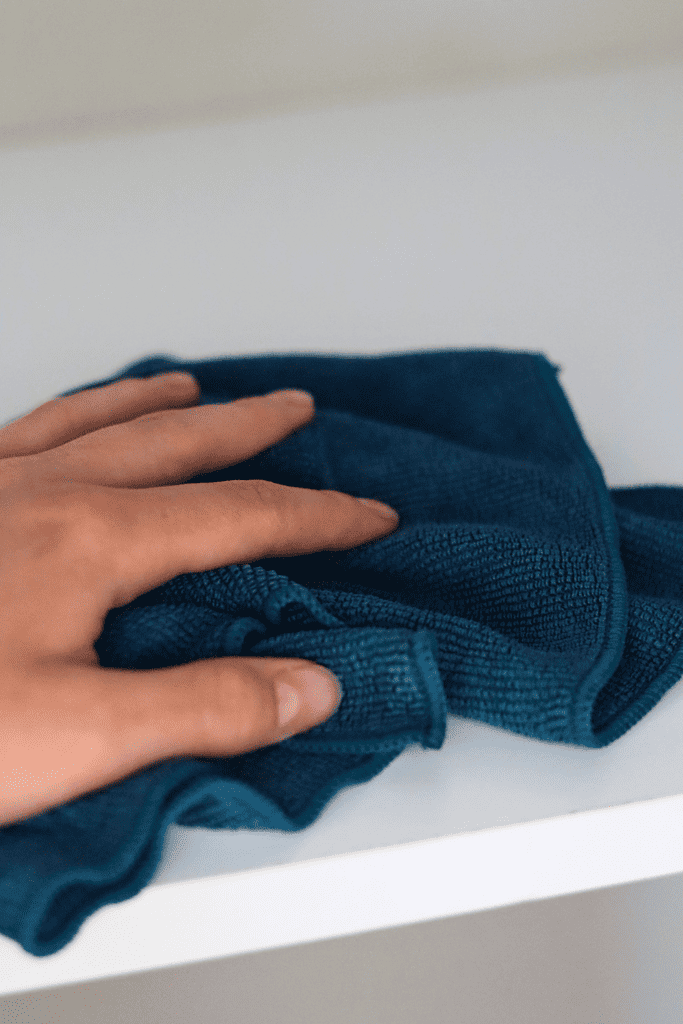
Clean door and baseboards:
Closet doors and baseboards are high-touch, high-neglect areas. Here’s how to make them look brand new:
Doors:
- Wipe both sides of the door with a damp cloth and all-purpose cleaner
- Use a Magic Eraser for scuff marks and fingerprints
- Clean door handles and knobs with disinfectant
- For sliding doors, clean the tracks with a vacuum attachment and an old toothbrush grime buildup here is the number one reason closet doors stick
Baseboards:
- Wipe with a damp cloth dipped in warm, soapy water
- Use a Magic Eraser for stubborn marks
- Dry with a clean cloth to prevent water damage
These details might seem small, but they make a massive difference in how your closet looks and feels once everything is back in place.
Clean the floor of your closet:
The final step in the cleaning phase and arguably the most satisfying. Closet floors hide an astonishing amount of dust, hair, lost accessories, and forgotten items.
- Start by sweeping or vacuuming the entire floor, including corners and edges
- Mop hard floors with your preferred floor cleaner
- For carpeted closets, vacuum thoroughly and consider using a carpet freshener or even renting a small carpet cleaner for deep stains
- Check for moisture or mold closets with poor ventilation can develop mildew, especially in humid climates across the USA
- Let the floor dry completely before returning any items
And just like that, you have a sparkling clean closet ready for the next (and most exciting) phase: decluttering and organizing.
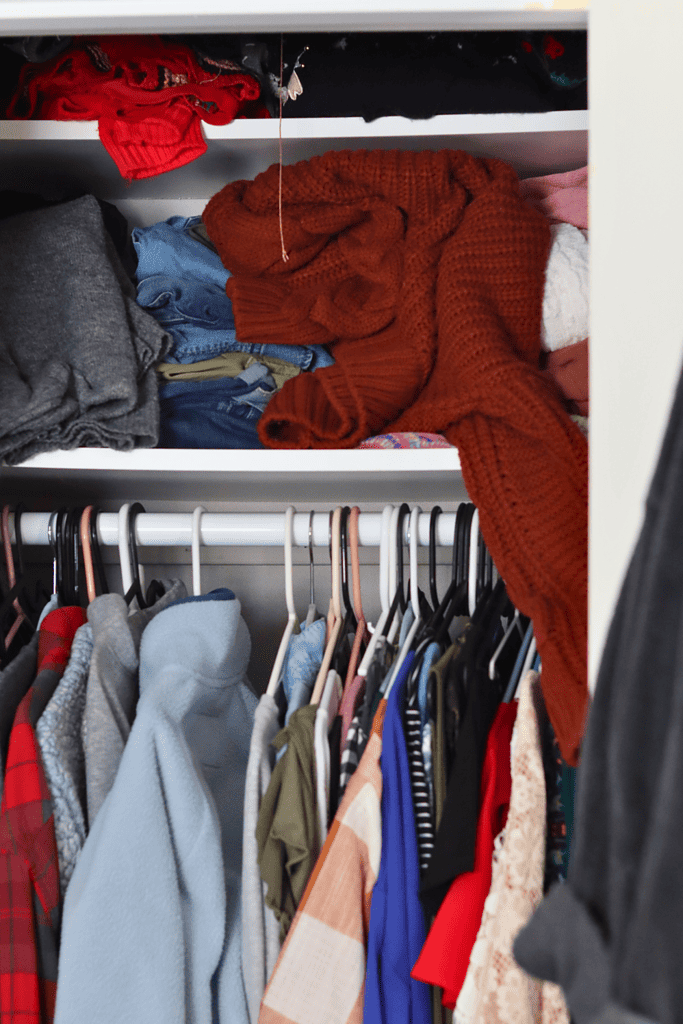
Why You Should Declutter Your Closet:
You’ve cleaned the physical space. Now it’s time to tackle what goes back in. But first let’s talk about why decluttering matters so much.
You’ll Save Time Every Morning
Studies show the average American spends 15–20 minutes deciding what to wear each day. A decluttered, well-organized closet cuts that time dramatically. No more digging through piles or pushing past clothes you never wear.
You’ll Reduce Stress
Clutter is scientifically linked to elevated cortisol levels. A chaotic closet creates low-grade anxiety every time you open it. Learning how to clean out closet and declutter is genuinely an act of self-care.
You’ll Save Money
Ever bought a white t-shirt because you couldn’t find the three you already owned? A purge closet clean out reveals what you actually have, preventing duplicate purchases.
You’ll Help Others
When you figure out how to get rid of clothes responsibly, your unwanted items can become someone else’s wardrobe staples. Choosing to how to clean out closet and donate means your decluttering has a ripple effect of generosity.
You’ll Maximize Your Space
Whether you live in a studio apartment or a four-bedroom house, closet space is precious. Learning how to clean out closet and maximize space means every square inch works harder for you.
You’ll Simplify Moving
If a relocation is on the horizon, knowing how to clean out closet before moving can save you hours of packing time and potentially reduce moving costs (fewer boxes = lower bill).
You’ll Build Better Habits
A successful closet cleanout teaches you about your shopping patterns, your actual style preferences, and what you truly need versus what you impulsively buy. It’s the foundation of a more intentional wardrobe.
Needed Supplies:
For the decluttering and organizing phase, you’ll need a slightly different set of supplies:
- Large trash bags (heavy-duty) — for donations and discards
- Cardboard boxes or bins — for items to sell or give to specific people
- Labels and a marker — for sorting piles (Keep, Trash, Donate, Sell, Maybe)
- A full-length mirror — for trying on questionable items
- Matching hangers — slim velvet hangers save space and create a uniform look
- Storage bins with lids — essential if you want to learn how to clean out closet with storage bins effectively
- Shelf dividers — for stacking sweaters and bags without toppling
- Shoe rack or clear shoe boxes — critical for anyone figuring out how to clean out closet and organize shoes
- Drawer organizers — for accessories, socks, and undergarments
- Vacuum-seal bags — for off-season storage in small spaces
- A notepad or phone — to jot down wardrobe gaps you notice during the process
Bonus for families: If you’re tackling a how to clean out closet kids room project, grab some fun stickers or a small reward to motivate little ones to participate in choosing what stays and what goes.
How to Purge a Closet:
This is the heart of the entire process the purge closet clean out that transforms your wardrobe from chaotic to curated. Here’s the deal: you need to touch every single item and make a decision. No skipping. No “I’ll deal with that later.”
The best way to clean out closet clutter is by sorting everything into four distinct piles. This system works whether you’re doing a quick weekend refresh or a major how to clean out closet and declutter overhaul.
Pull everything from your staging area and start sorting. Be honest, be ruthless, and remember how to get rid of clothes effectively means letting go of the guilt attached to items you don’t wear.
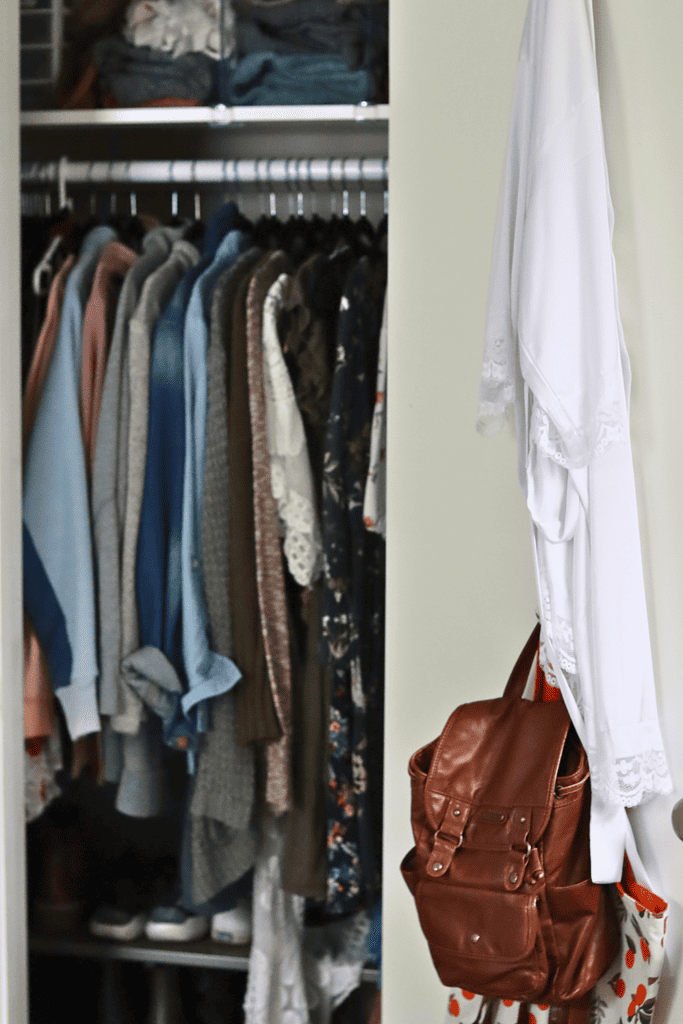
The “Keep” pile:
This pile is for items that earn their place in your closet. Not everything deserves to make the cut. An item belongs in the “Keep” pile only if it meets at least two of the following criteria:
✅ You’ve worn it in the last 6 months (or it’s seasonal and you wore it last season)
✅ It fits you right now not your “goal weight” body or your “2019” body. Right now.
✅ It’s in good condition no stains, rips, missing buttons, or broken zippers (unless you’ll realistically repair it this week)
✅ It makes you feel confident when you put it on
✅ It fits your current lifestyle that cocktail dress is gorgeous, but if you haven’t attended a formal event in three years, be honest with yourself
✅ It’s a true essential quality basics like well-fitting jeans, neutral tees, and a good coat
Be selective. The goal of learning how to clean out closet clothes isn’t to keep 90% and toss 10%. For most people, a meaningful closet cleanout results in removing 30–50% of their wardrobe. That might sound extreme, but the relief you’ll feel is worth it.
The “Trash” pile: new pieces
Let’s be clear some items are beyond saving, and that’s perfectly okay. The “Trash” pile is for pieces that have no second life ahead of them:
🗑️ Clothing with permanent stains, holes, or irreparable damage
🗑️ Underwear, socks, and bras that are stretched out or worn through
🗑️ Shoes with broken soles or structural damage
🗑️ Anything with mold or mildew
🗑️ Single earrings, broken jewelry, or accessories missing pieces
🗑️ Wire hangers and damaged storage items
A note about new pieces: As you’re purging, you may notice gaps in your wardrobe you have zero white button-downs, or your only pair of black pants just went into the trash pile. Jot these gaps down on your notepad. This becomes your intentional shopping list after the cleanout is complete, ensuring that any new pieces you buy serve a real purpose rather than adding to future clutter.
Environmental tip: Before trashing damaged clothing, check if your local area has textile recycling programs. Many communities across the USA accept worn-out textiles that can be repurposed into insulation, rags, or other materials rather than ending up in landfills.
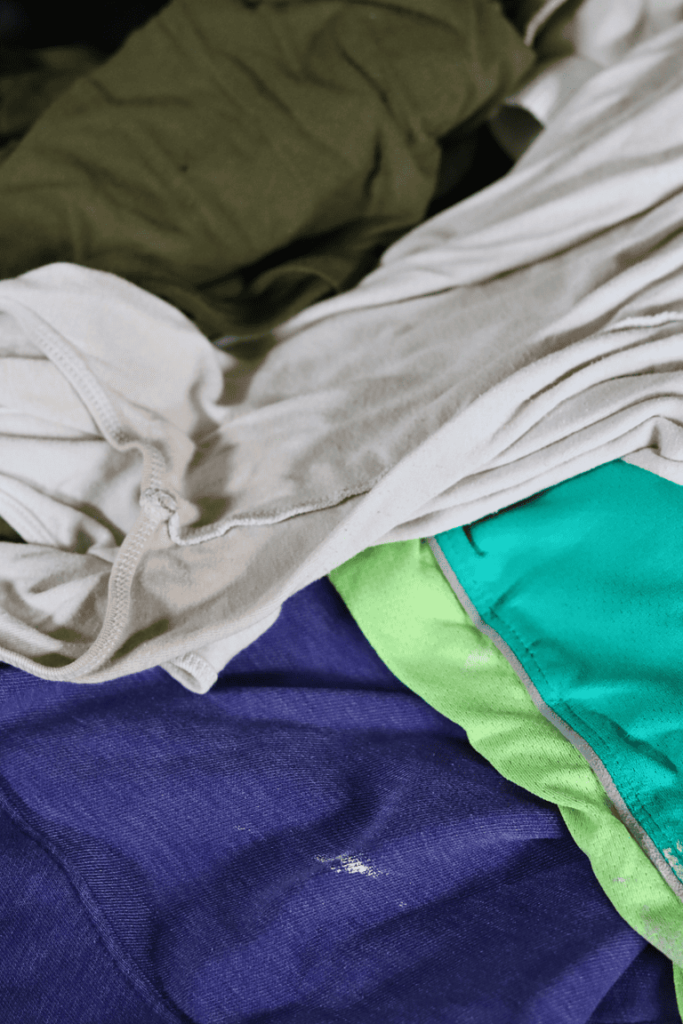
The “No” pile:
This pile is for items that are in perfectly good condition but no longer belong in your closet. They don’t fit, they don’t match your style anymore, or you simply don’t reach for them. The “No” pile has two destinations:
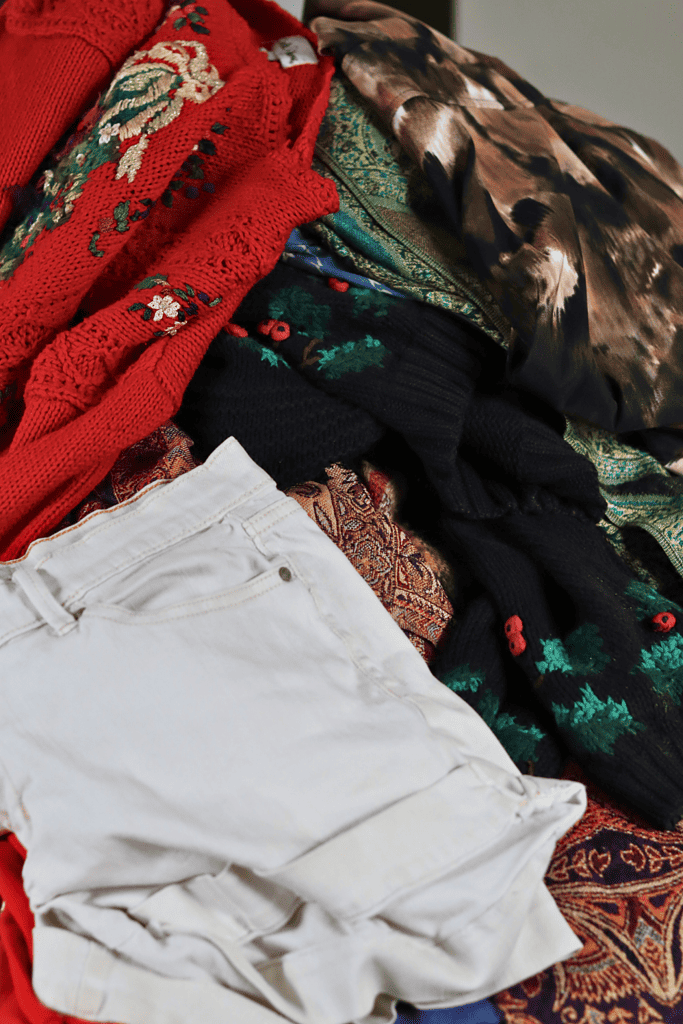
Sell:
If items are in great condition especially brand-name, designer, or trendy pieces consider selling them. This is one of the most rewarding parts of learning how to get rid of clothes because you actually make money back.
Where to sell (popular in the USA):
- Poshmark — great for brand-name clothing and accessories
- ThredUp — send a bag and they do the work for you
- Depop — popular for trendy and vintage items
- Facebook Marketplace — ideal for local, no-shipping sales
- Mercari — user-friendly for all clothing types
- Local consignment shops — drop off and earn a percentage when items sell
Selling tips:
- Photograph items in good lighting
- Be honest about condition
- Price competitively — check what similar items are selling for
- Set a deadline: if it doesn’t sell in 30 days, move it to the “Donate” category
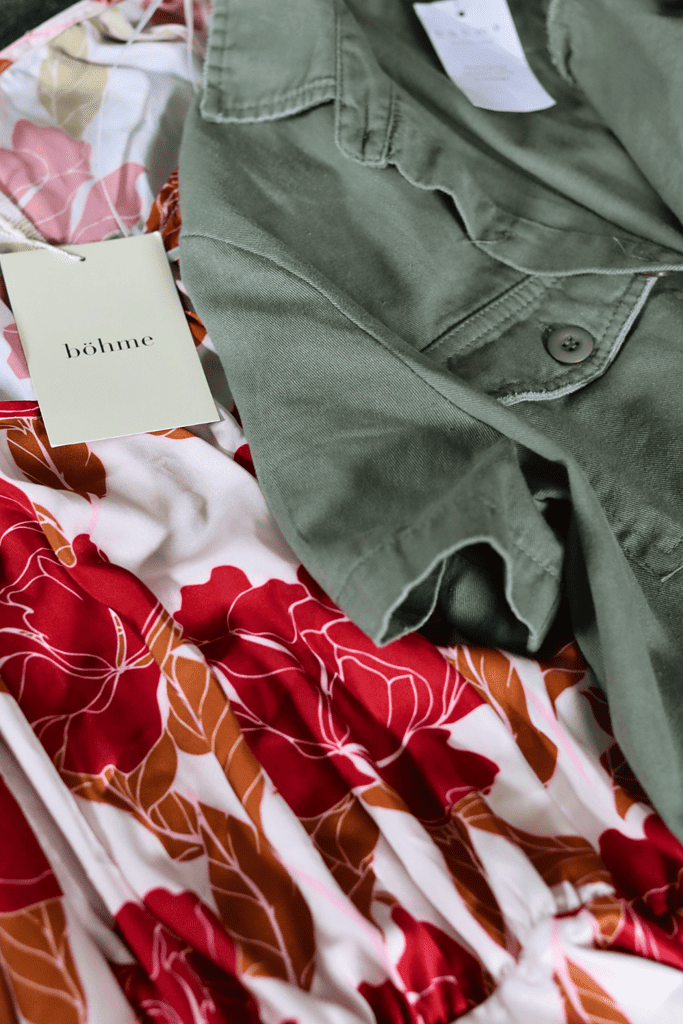
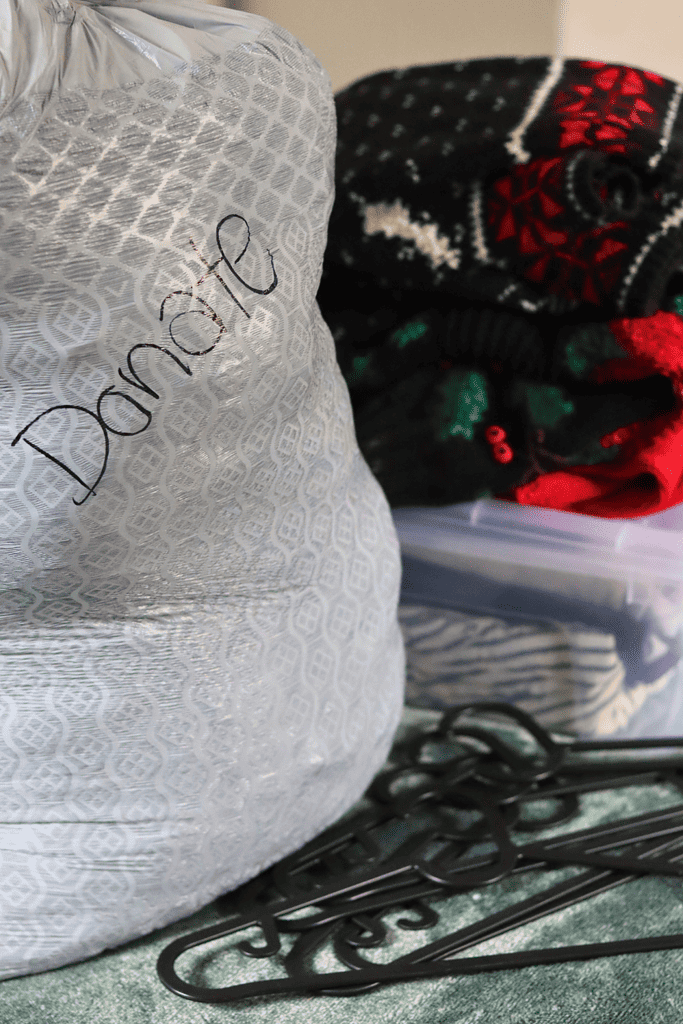
Donate:
For items in good condition that you’d rather give away, donation is a wonderful option. When you how to clean out closet and donate, you’re giving your clothes a meaningful second life.
Where to donate (USA-specific):
- Goodwill — locations nationwide
- Salvation Army — accepts clothing, shoes, and accessories
- Dress for Success — professional attire for women entering the workforce
- Local shelters — homeless shelters and domestic violence shelters often need clothing urgently
- Buy Nothing groups — hyperlocal Facebook groups where neighbors give freely
- Church and community drives — check for seasonal clothing drives in your area
Donation tips:
- Ask for a tax receipt for your records
- Wash and fold items before donating
- Separate by category (men’s, women’s, children’s)
- Don’t donate damaged or stained items that shifts the burden to the organization
The “Maybe” pile:
Ah, the “Maybe” pile the trickiest one of all. These are items you feel emotionally attached to, unsure about, or guilty discarding. Everyone has a “Maybe” pile, and that’s okay. The key is having a system to resolve it.
Here are two proven methods trusted by professional organizers across the USA:
The One-Year Rule:
This is the simplest and most popular approach. Here’s how it works:
- Place all “Maybe” items into a clearly labeled box or bin
- Write today’s date on the outside
- Store it in a spare closet, under your bed, or in a garage
- Set a calendar reminder for exactly one year from today
- When that date arrives, open the box
- If you haven’t opened the box or needed a single item in 12 months donate the entire box without looking inside
This method removes the emotional decision-making from the equation. A full year gives every season, every occasion, and every possible scenario a chance. If you didn’t need it in 365 days, you won’t need it in 366.
This approach is especially effective if you’re learning how to clean out closet quickly but struggle with indecisiveness. It lets you move fast now and make final decisions later.
The Hanger Method:
Made famous by organizational experts, the Hanger Method works brilliantly for clothing you’re unsure about wearing:
- Hang all “Maybe” clothing items in your closet
- Turn every hanger backward (hook facing outward instead of inward)
- Live your normal life for 3–6 months
- Every time you wear an item and return it to the closet, flip the hanger back to the normal direction
- After your set time period, look at which hangers are still backward
- Those items haven’t been worn they go into the “Donate” or “Sell” category
This method is data-driven and visual. There’s no arguing with a backward hanger. It’s one of the most effective strategies within any closet cleaning and organizing checklist and works beautifully in any closet size.

How to Organize a Closet:
You’ve cleaned the space. You’ve purged ruthlessly. Now comes the reward putting everything back in a way that’s functional, beautiful, and sustainable long-term. Here’s how to clean out closet and organize like a professional.
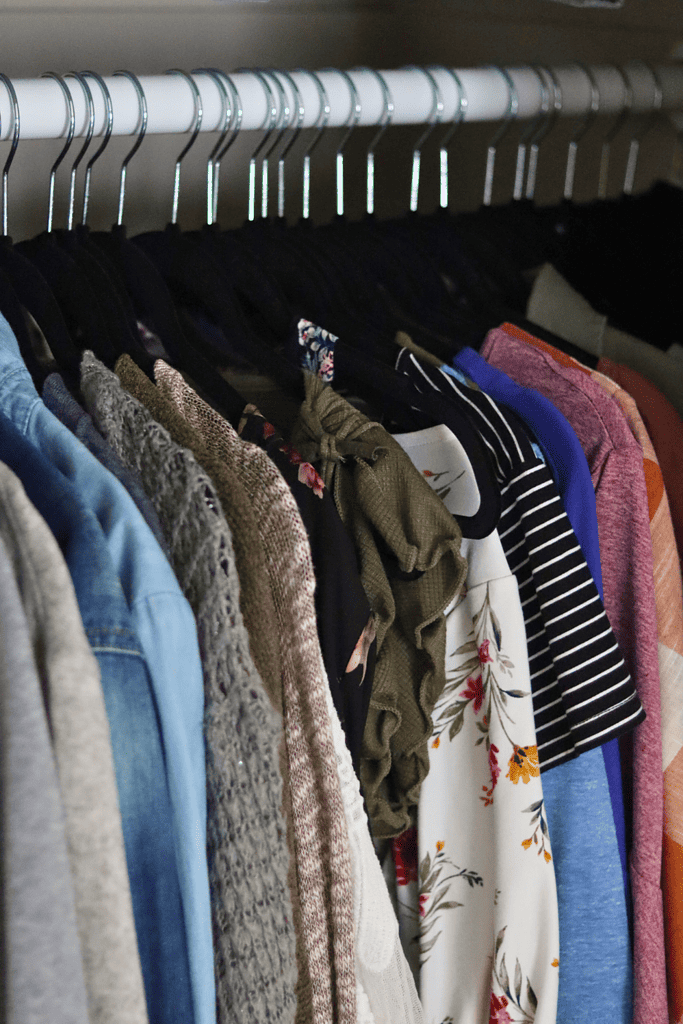
Sort by Category, Not Color:
Here’s a controversial take that professional organizers agree on: sorting by category is more practical than sorting by color. While a color-coordinated closet looks stunning on Instagram, it’s not how most people actually get dressed.
Think about your morning routine. You don’t think, “I want to wear something blue today.” You think, “I need a blouse for work” or “Where are my jeans?”
Organize by these categories:
- Tops (blouses, t-shirts, button-downs)
- Bottoms (pants, jeans, skirts)
- Dresses and jumpsuits
- Outerwear (jackets, blazers, coats)
- Activewear and loungewear
- Special occasion and formalwear
Within each category, you can absolutely arrange by color if you’d like. But the category-first approach ensures you can find what you need instantly a critical part of knowing how to clean out closet and maximize space effectively.
Hang Only the Current Season:
This single tip will transform your closet, especially if you’re working with limited square footage. Learning how to clean out closet for small spaces often comes down to this principle: only the current season’s clothes should be hanging in your active closet.
What to do with off-season items:
- Store winter coats, heavy sweaters, and boots during summer
- Pack away sundresses, shorts, and sandals during winter
- Use vacuum-seal bags to compress bulky items like down jackets and thick blankets
- Store off-season items under the bed, in a spare closet, on top shelves, or in storage bins
- Label every bin clearly so you can find items when the season changes
If you’re doing this as a how to clean out closet for spring cleaning project, now is the perfect time to swap out winter gear for lighter spring and summer pieces. This seasonal rotation keeps your daily closet manageable, uncluttered, and exclusively filled with items you can actually wear right now.
This strategy is also invaluable for anyone working through a how to clean out closet kids room project. Children’s wardrobes change even more drastically by season, and rotating pieces keeps their closet age-appropriate and functional.
Not Everything Has to be Hung Up:
One of the biggest mistakes people make? Hanging everything. Not only does this waste valuable hanging rod space, but certain items actually last longer when folded or stored differently.
Items that should be HUNG:
- Blazers and structured jackets
- Button-down shirts and blouses
- Dresses
- Dress pants and trousers (use clip hangers)
- Delicate fabrics like silk
Items that should be FOLDED:
- Sweaters and knits (hanging stretches them out)
- T-shirts
- Jeans and casual pants
- Activewear and loungewear
- Heavy hoodies and sweatshirts
Items that need SPECIALIZED STORAGE:
- Shoes — use a shoe rack, over-the-door organizer, or clear boxes to how to clean out closet and organize shoes efficiently
- Accessories — scarves, belts, and ties work great on hooks or in drawer dividers
- Bags and purses — shelf dividers or stuffed with tissue paper to maintain shape
- Jewelry — a wall-mounted organizer or small drawer insert
Understanding what to hang versus fold is essential for anyone learning how to clean out closet with storage bins and maximizing every inch. Folded items stack neatly in bins on shelves, while hung items keep your rods uncluttered and easy to browse.
Closet Organizing Tools:
The right tools turn a clean, decluttered closet into a beautifully optimized space. Here are the best closet organizing tools, many of which are readily available at major USA retailers like Target, The Container Store, Amazon, Walmart, and IKEA:
Slim Velvet Hangers
Replace bulky plastic and wire hangers with slim velvet ones. They save up to 50% of hanging rod space, prevent clothes from slipping, and create a uniform, polished look. This single upgrade is one of the top closet cleaning tips USA organizers recommend.
Clear Stackable Storage Bins
Perfect for learning how to clean out closet with storage bins. Clear bins let you see contents without opening, and stackable designs maximize vertical space on shelves and closet floors. Use them for off-season items, accessories, and shoes.
Over-the-Door Organizers
These are lifesavers for small spaces. Hang one on the inside of your closet door for shoes, scarves, cleaning supplies, or accessories. They use zero floor or shelf space.
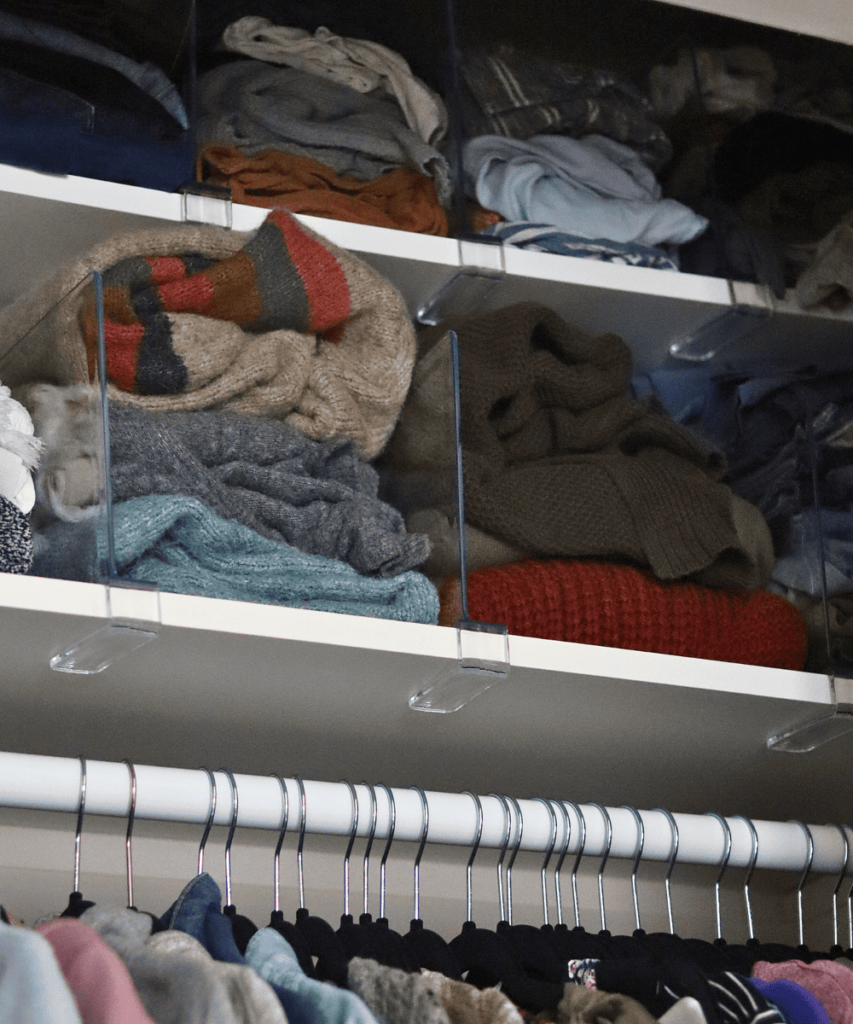
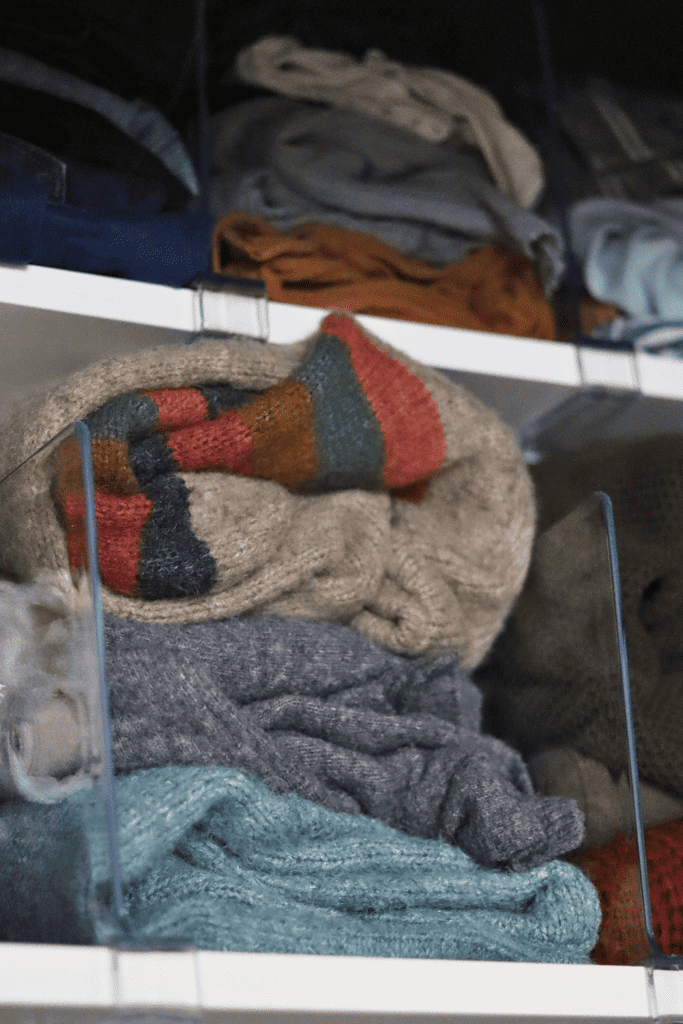
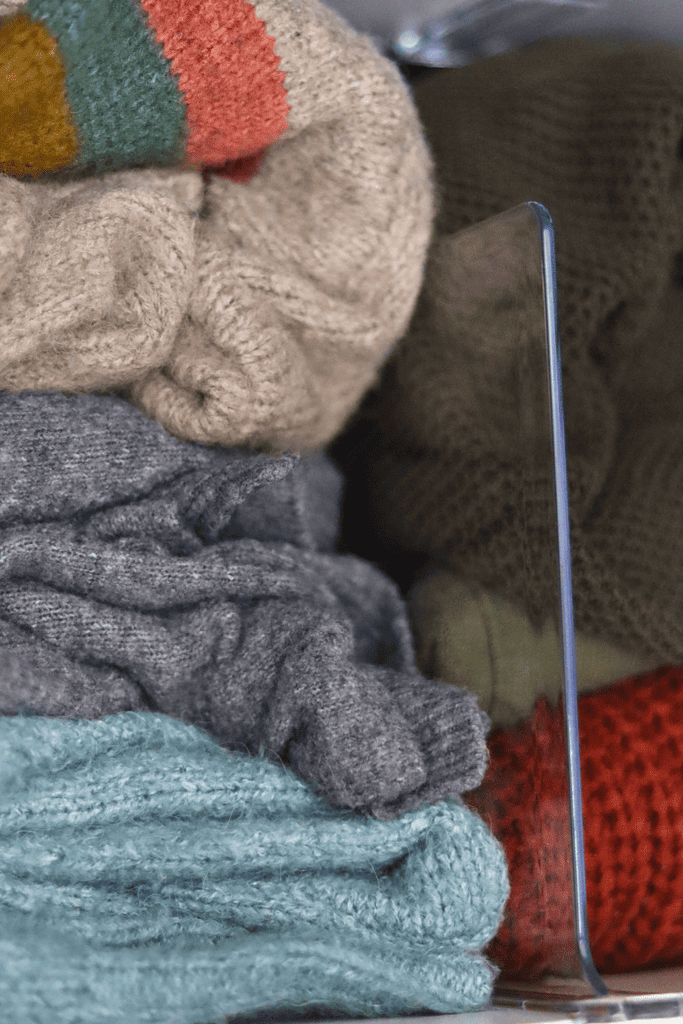
Shelf Dividers
Clip-on shelf dividers keep folded stacks of sweaters, purses, and bags from toppling into each other. They’re inexpensive and make a dramatic difference in organization.
Drawer Organizers and Inserts
If your closet has built-in drawers or closet furniture with dresser components, drawer organizers keep socks, underwear, belts, and small accessories neatly separated.
Double Hanging Rods
If your closet has a single high rod with wasted space below, add a second lower rod. This doubles your hanging capacity instantly a game-changer for anyone trying to how to clean out closet and maximize space.

Vacuum-Seal Storage Bags
Compress bulky off-season items like comforters, winter coats, and sweaters to a fraction of their size. Essential for small spaces and seasonal rotation.
Shoe Racks and Clear Shoe Boxes
Whether you choose a floor-standing rack, a hanging shoe organizer, or stackable clear boxes, dedicated shoe storage prevents the floor clutter that makes closets feel chaotic. This is the final piece of the puzzle when you how to clean out closet and organize shoes.
Baskets and Fabric Bins
For items that don’t need to be visible think seasonal accessories, workout gear, or laundry woven baskets and fabric bins add warmth and texture while keeping things tidy.
Label Maker
It might seem extra, but labeling bins, boxes, and shelves ensures everyone in the household (including kids) knows where things go. This is especially critical for maintaining a how to clean out closet kids room setup over time.
Happy organizing!
FAQs
Where do I start when cleaning out a closet?
Start by taking everything out so you can see what you actually own. This makes it easier to sort items and avoid putting clutter back in.
How do I decide what to keep and what to get rid of?
Keep items you wear regularly, that fit well, and that match your current lifestyle. Let go of anything damaged, uncomfortable, or unused for a long time.
What should I do with clothes I no longer want?
Donate gently used items, recycle worn out clothing, or sell pieces that are still in good condition and have value.
How can I organize my closet after cleaning it out?
Group similar items together such as shirts, pants, and jackets. Use matching hangers, bins, or shelves to keep everything visible and easy to reach.
How often should I clean out my closet?
A full clean out once or twice a year works well for most people, with quick check ins each season to prevent clutter from building up.